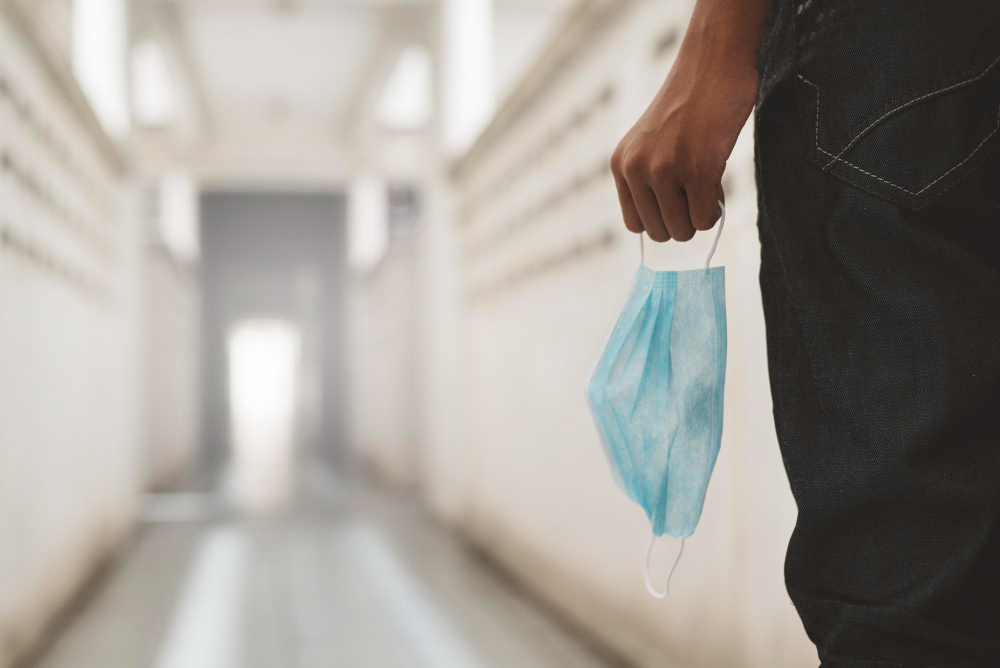
The 7-1-7 framework sets a clear timeline: detect outbreaks in 7 days, notify authorities in 1 day, and mobilize a response within 7 days.
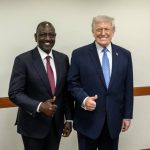
In a move to fortify its pandemic defenses, Kenya has signed a new health partnership with the United States, which includes a commitment to adopt the rapid “7-1-7” model for disease outbreak response. This framework is designed to enable the country to detect an outbreak within 7 days, notify authorities within 1 day, and mount an effective response within 7 days.
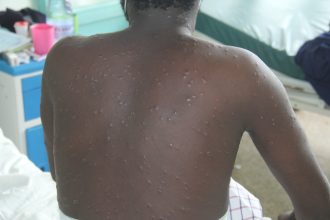
The adoption of this model comes as the world confronts a rising tide of public health crises, from COVID-19 and Ebola to Cholera, Mpox in Africa, and Measles in the U.S., which have revealed significant gaps in traditional preparedness tools.
While systems such as the 2005 International Health Regulations and Joint External Evaluations were foundational, the COVID-19 pandemic demonstrated that they often remained theoretical and fell short in real-world emergencies, particularly in the critical areas of detection, notification, and coordinated response.
Developed by global health experts in July 2021 and supported by the World Health Organization, the 7-1-7 target now offers a simple, measurable, and actionable global benchmark to strengthen outbreak readiness, a core objective of Kenya’s new cooperation with the U.S.
What is the 7-1-7 Target?
This framework benchmarks a health system’s ability to manage a public health threat in three time-bound steps:
- 7 Days to Detect: Identify a suspected outbreak within seven days of emergence.
- 1 Day to Notify: Notify public health authorities within one day of detection.
- 7 Days to Respond: Initiate an effective response within seven days of notification.
Advantages of 7-1-7
It offers significant advantages over older methods:
- Simple and Measurable: Clear time frames (7 days, 1 day, 7 days) make it easy to understand and track.
- Real-Time Performance Assessment: Can be used during active outbreaks to identify weaknesses immediately.
- Actionable Recommendations: Pinpoints specific bottlenecks (e.g., slow detection in private clinics) for concrete improvements.
- Public Communication: Enables transparent communication about health system performance.
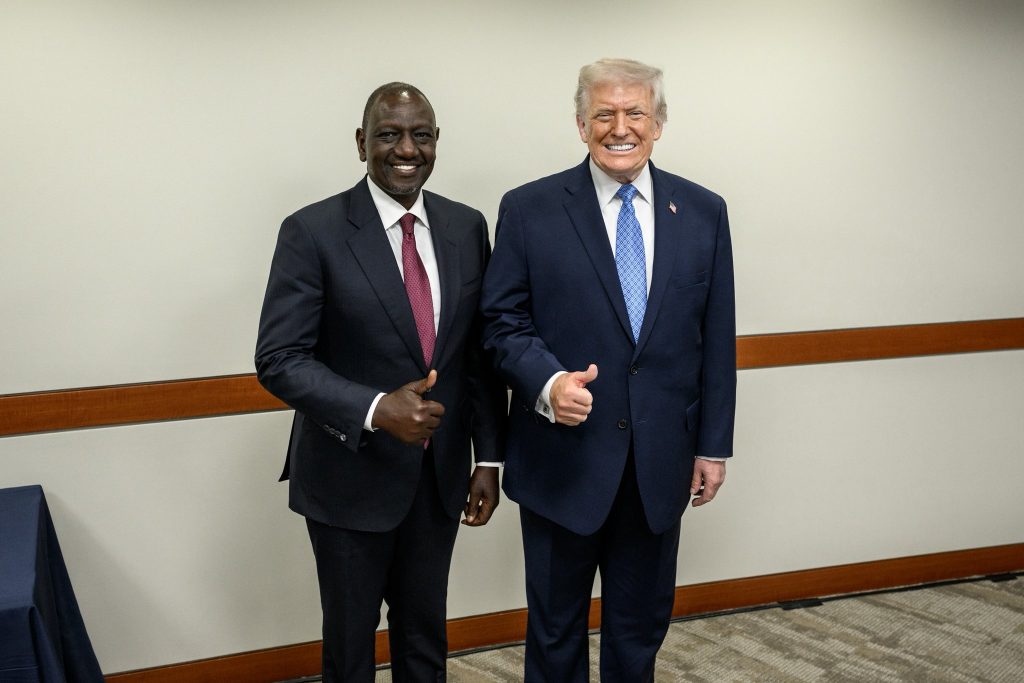
The New Health Deal: Why USA needs Kenya’s health data
The new Kenya–U.S. health cooperation deal delivers KSh208 billion in direct investment to strengthen Kenya’s health system, shift funding away from NGOs, and support a full transition to national ownership by 2031.
Putting 7-1-7 into Practice
Several African nations, with WHO, U.S. CDC, and philanthropic support, are actively implementing it:
- Uganda piloted it from October 2021 to December 2022. It revealed a bottleneck: delayed detection in private healthcare facilities. In response, Uganda trained healthcare workers and engaged the private sector in surveillance.
- Liberia adopted it in 2023 and similarly identified case detection challenges.
- Kenya is actively adopting it, reporting promising results against Mpox (71 per cent detection, 98 per cent notification, 59 per cent response). The Ministry of Health is developing a Decision-Making Tool for Public Health Emergencies. This effort is bolstered by the new U.S. cooperation deal, which will fund key institutions like the National Public Health Institute and the Digital Health Agency to enhance surveillance.
Kenya also championed the International Pandemic Treaty, adopted at the World Health Assembly in May 2025, which provides a framework for fair cooperation against future pandemics.

What the new Kenya–USA deal means for healthcare
Kenya and the U.S. have agreed on a new health deal that brings major direct funding into Kenya’s health system.
This story explains what the funding will change, how the partnership will work, and why long-term data access has raised questions.
Global Support
The 7-1-7 framework is now a core part of the WHO Africa’s strategy and the broader Pandemics’ Framework.
- At the 2022 Global COVID-19 Summit, Bill Gates committed $125 million (Ksh16.1 billion)to help end the pandemic’s critical phase and strengthen health systems in low-income countries—goals aligned with the Kenya-U.S. Cooperation Framework.
- During the pandemic, The Gates Foundation, Wellcome Trust, Gavi, and CEPI collectively gave $1.4 billion (Ksh181 billion) to the WHO to help distribute COVID-19 tools.
By providing a clear, actionable, and measurable standard, the 7-1-7 framework represents a vital step toward building more resilient health systems and protecting communities from future pandemics.