

Funding shortfalls, staff and equipment shortages, drug stock-outs, lack of awareness and political interference all limit access to primary healthcare.
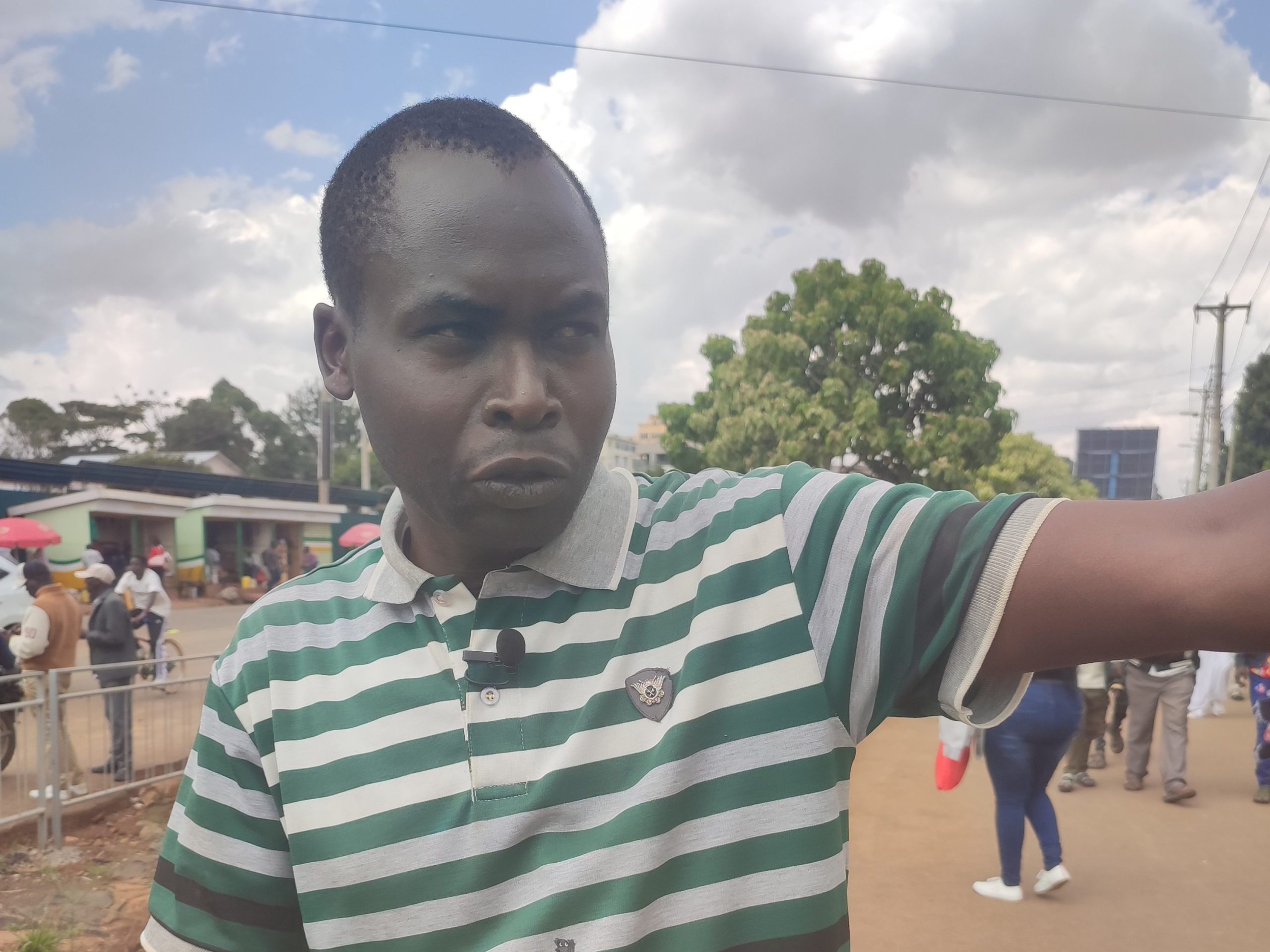
Stephen Ombati, a matatu driver in Eldoret, is not registered under the Social Health Authority (SHA) and has never met a Community Health Promoter (CHP).
“SHA has not stabilised, and some people who have registered also pay for services,” he told Willow Health Media. “Last week I bought malaria drugs worth Ksh850 for my daughter at the chemist opposite the hospital because the drugs the doctor prescribed were not available.”
Outside the Uasin Gishu Sub-County Hospital (formerly Uasin Gishu District Hospital), Anne Wanjiru says the government has yet to deliver on its promise of free primary healthcare under SHA.
“I registered for SHA, but today my daughter has not been treated because I can’t list her as a dependent using the birth notification document I have. The hospital demanded a birth certificate, which is not yet out,” Wanjiru lamented.
Turned away at her local dispensary, she came to the sub-county hospital hoping for help, but gaps in SHA registration failed her.
Primary healthcare remains central to Universal Health Coverage, and just why the government allocated it Ksh13.1 billion
“What else was I to do when my baby was vomiting and couldn’t get help? I have bought these drugs from the chemist across the road, and I’m headed home hoping the pharmacist’s diagnosis and prescription will work,” she said, waving a pack of malaria drugs.
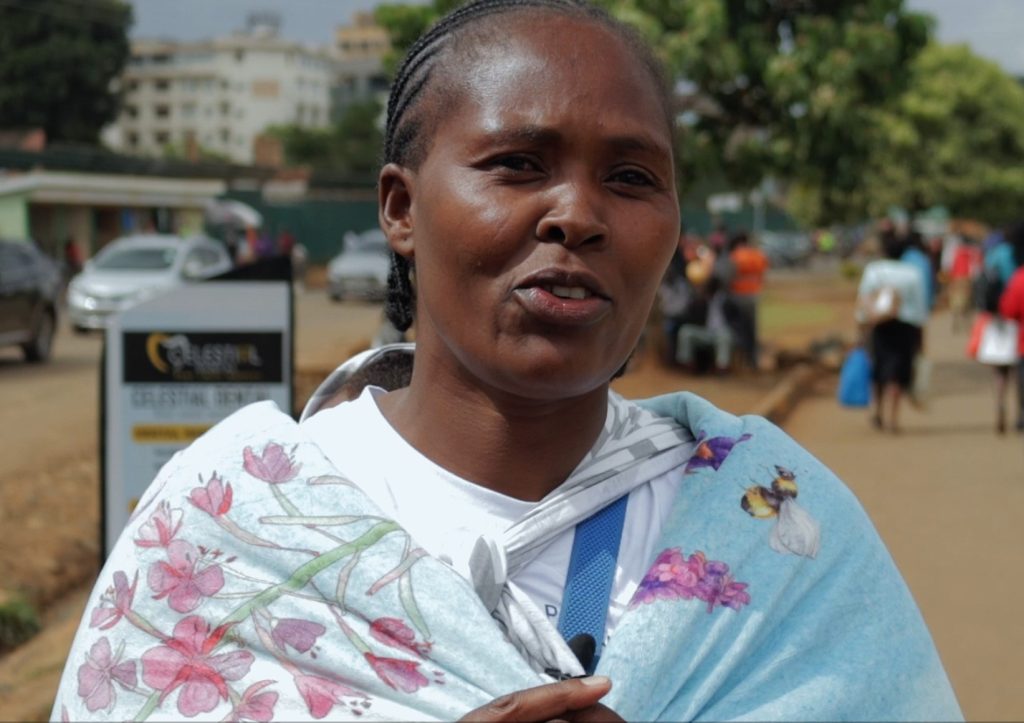
With her child strapped to her back, Anne Wanjiru stands outside the hospital, caught between need and a system that still cannot reach her daughter. [Photo: WHM]
She reminisced about Linda Mama, a maternity cover package under the defunct National Hospital Insurance Fund (NHIF).
“I used to pay only Ksh20 for registration, and I would be treated freely. My daughter also got free treatment until she was five years old.”
Primary healthcare (PHC) remains central to achieving Universal Health Coverage (UHC). The government has allocated Ksh13.1 billion out of the Ksh138 billion health budget to PHC.
Under SHA, all registered members are entitled to free outpatient and primary healthcare services, even without paying premiums under the Social Health Insurance Fund (SHIF). The government pays Ksh900 per person per year, or Ksh75 per month, to support access to PHC services.
Level four or five hospitals are big titles, straining to offer PHC and other services
However, access remains limited. Gaps in financing, shortages of personnel, drugs and equipment, weak information systems, and politicisation continue to undermine service delivery.
The Primary Health Care Act (2023) allows Kenyans to access PHC at level 1 (community health units or networks), and at level 2, 3 and 4 facilities. Yet low awareness, delayed disbursement of funds, and shortages of staff and equipment continue to block access.
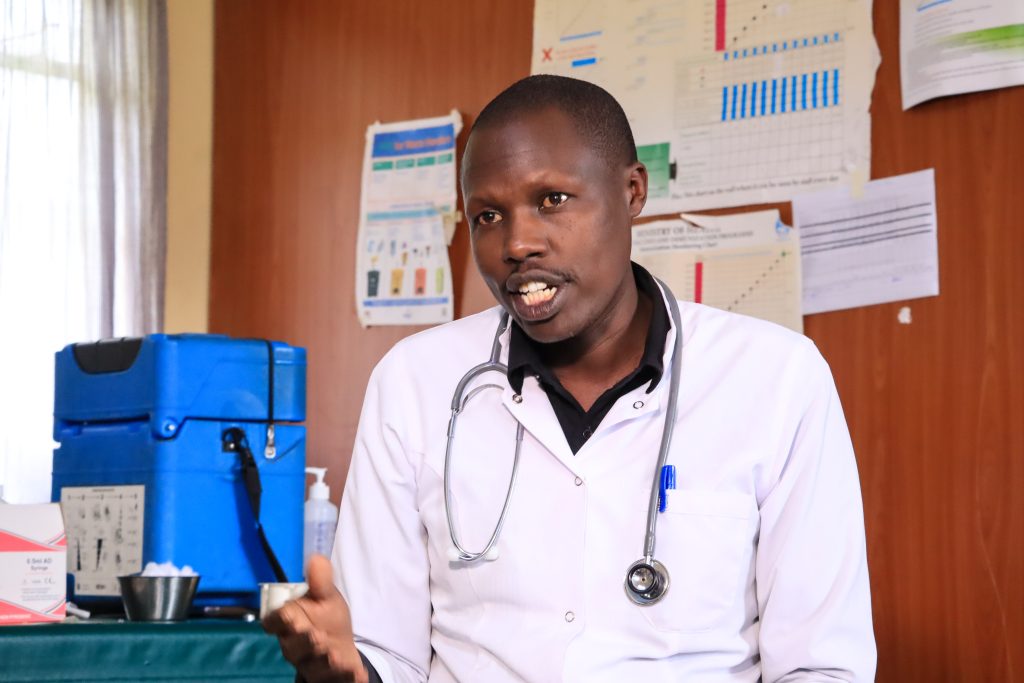
Dr Mark Kipsang Kwambai, an anaesthetist and Medical Superintendent at Tambach Sub-County Hospital, a level four facility in Elgeyo Marakwet, says many facilities do not meet the standards of their classification.
“Most county leaders, in the clamour for political mileage, name hospitals as level four or five to prove that they have invested commendably in healthcare provision. Behind the big titles are facilities straining to offer PHC and other services,” he explained.
Tambach Sub-County Hospital served 27,000 patients seeking PHC services in 2025. Common conditions included upper respiratory tract infections, malaria, tooth aches, skin conditions and pneumonia, alongside immunisation and Maternal and Child Health (MCH) services.
The only operating theatre at Tambach had not been used for over two years
“We have healthcare staff who can provide these services, though we are not up to the standard. We offer essential services and have a child welfare clinic and paediatric ward,” said Dr Kwambai.

A spot check at the facility found that the only operating theatre had not been used for over two years.
According to the Kenya Medical Practitioners and Dentists Council (KMPDC), a level 4 hospital should provide comprehensive specialised care, including inpatient and outpatient services. It requires at least four specialists: a surgeon, an obstetrician/gynaecologist, a paediatrician, and a physician, as well as one medical officer for every 10 inpatient beds.
For a minimum of 150 beds, a level four hospital would need at least 15 medical officers, alongside clinical officers, specialised clinicians, and nurses.
“We need at least 16 doctors at a level four. I am an anaesthetist, even if I inject a patient who will operate them?” posed Dr Kwambai, adding that the facility had 40 beds out of the expected 150 inpatient beds and at least four Intensive Care Unit (ICU) beds.
Four specialists left after delayed SHA disbursements went past one million shillings
The hospital also has fewer nurses than required. The World Health Organisation (WHO) recommends 44.5 nurses per 10,000 population for UHC. Kenya has improved to 40.2 nurses per 10,000, but remains below the target. In wards, the recommended ratio is 1 nurse per 24 patients and 1 nurse per patient in the ICU.
To address staffing gaps, the hospital turned to locum specialists.
“Some time back, we brought in four specialists to a bigger facility in Kenya, but they left after delayed SHA disbursements for paying them. They had increased access to vital services, but they left after arrears went past a million shillings,” Dr Kwambai disclosed.
Delayed, unpredictable and unclear SHA disbursements remain a major barrier to quality PHC.
“There is a disconnect between what we ask and what we get. Most claims are rejected without explanation, and those approved take so long to be paid. Three months ago, we got Ksh7,827 as SHA reimbursement against claims of millions; in February 2026, we got no cent,” said Dr Kwambai, adding that some payments come without explanation.
“After months of non or underpayment, you get like Ksh60,000 with no breakdown, they just say it’s PHC money.”
SHA capitation must be increased to match inflation, rising cost of drugs and equipment
The Senate summoned him to explain why Tambach Sub-County Hospital was classified as level four without meeting the required standards.

“It’s laughable because I’m not the employer,” he said. “It is also surprising that when renewing the license, despite the shortcomings on staff, infrastructure and equipment, the application is approved unconditionally.”
He called for enforcement of policies requiring 50 per cent of SHA reimbursements to be spent on pharmaceuticals and non-pharmaceuticals to prevent shortages. He also noted that partnerships with NGOs and other sponsors could help sustain PHC services.
Despite the challenges, he remains optimistic.
“The principle of insurance is to pool funds, and the Ksh900 for PHC can’t be used at one go. The capitation must be, however, increased to match inflation and the rising cost of drugs and equipment. The money will be more helpful if paid in time,” argued Dr KwambaI, highlighting the role of Community Health Promoters.
CHPs are doing a commendable job, need better reward above the Ksh5,000 stipend
“They are members of the community and fulfil a key component of PHC, which is to have healthcare services accepted.”

Their work includes health education, managing minor ailments, identifying chronic diseases such as blood pressure and diabetes, and linking patients to facilities.
“They are doing a commendable job. They need a better reward above the Ksh5,000 stipend. The national and county government also needs to conduct on-the-job training to make them up to date with emerging health issues,” he advised.
The facility’s referral system remains functional, with CHPs helping identify patients who need ambulance services or home-based care without any payment.