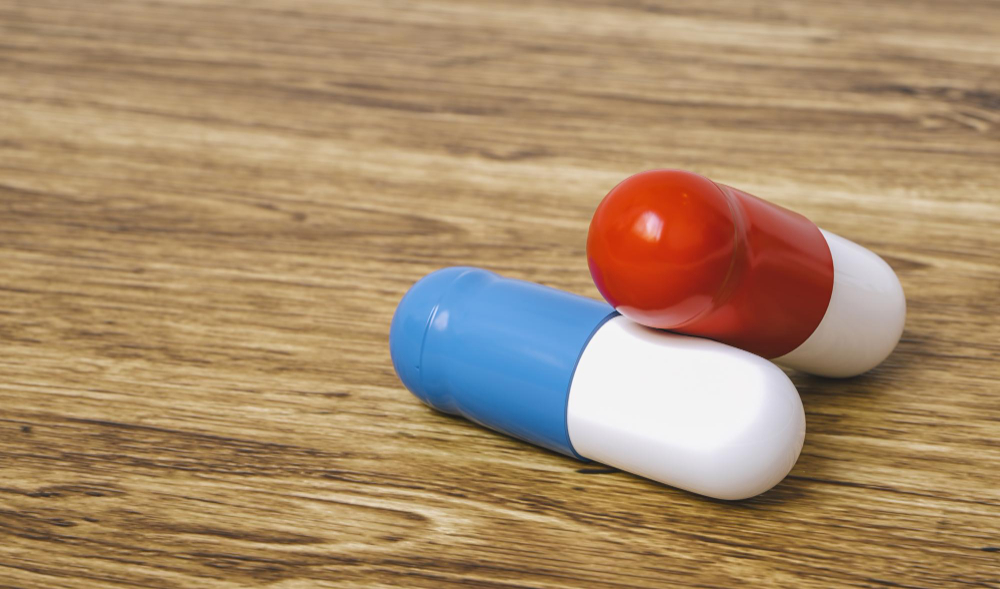

Generic medicines are cheaper as they don’t carry the massive cost of original drug development, which makes essential treatment more accessible while competition among manufacturers ensures a steady supply at lower prices.
Across Kenya- from urban hospitals to local pharmacies- millions depend on medicine to ease pain, treat infections, control chronic diseases, and manage lifelong conditions. Yet a common question follows every prescription: is it original or generic, and does that distinction truly matter?
For most Kenyans, the final choice of medicine is decided by price. The pioneering “original” brands are typically far more expensive than their generic copies. However, pharmacists and regulators maintain that a drug’s safety and effectiveness are not defined by its cost.
At the heart of this conversation is a broader and growing concern: the rising threat of counterfeit, falsified, and substandard medicines in the country, a problem that not only endangers lives but also undermines national health security.
Dr Edward Maina Mbugua, Chief Pharmacist at Kenyatta University Teaching, Referral and Research Hospital (KUTRRH), clarifies that the term “original” is inaccurate. In pharmaceutical science, the correct word is innovator.
“The innovator brand is the first version of a drug developed by the company that discovered the molecule, conducted the research, and registered a patent,” he explains. “Once that patent expires, other companies can manufacture the same molecule, producing what we call generics, provided they follow the scientific processes and standards used by the innovator.”
Original and generic drugs are similar in composition; what differs is branding- Dr Edward Mbugua
At the molecular level, both innovator and generic medicines contain the same active pharmaceutical ingredient (API), in the same amounts, and are expected to work identically in the body. Tests of bioequivalence are used to confirm that both versions behave similarly after ingestion.
For common medicines like paracetamol, a 500-milligram generic tablet must match the composition, strength, and quality of the innovator version. “Basically, they are very similar in terms of composition. What differs is the branding,” Dr Mbugua says.
However, slight differences may arise in drug delivery systems, which influence how quickly medicine is absorbed. Some innovator companies invest heavily in advanced delivery technology, something generics may not always duplicate. At times, generic companies also innovate and develop faster or more efficient delivery systems.
Generic medicines cost significantly less because manufacturers do not bear the initial burden of research, development, and patenting. “After 20 years, when the patent expires, generic manufacturers only incur production costs,” Dr Mbugua says. “That’s why generic prices are lower.”
He notes that global initiatives, as witnessed during the COVID-19 pandemic in 2020, often absorb high research costs, making vaccines and essential medicines accessible to low-income regions.
Choice of original or generic drugs is often influenced by preference rather than scientific fact
Generics have greatly increased the availability of affordable treatment options in Kenya; however, misconceptions persist. Some patients assume generics are inferior due to their lower prices. “Cost does not equal quality,” Dr Mbugua stresses. “Most people now understand the difference, but the choice is often influenced by preference rather than scientific fact. If the product is quality assured-whether innovator or generic, it will treat your illness.”
The Pharmacy and Poisons Board (PPB), Kenya’s drug regulator, requires all medicines, innovators and generics, to undergo rigorous chemical analysis before registration.
Before approval, medicines are tested at labs like the National Quality Control Laboratory (NQCL) or the MEDS laboratory, where their composition, impurities, and adherence to global monographs are examined.
Post-market surveillance also continues throughout a product’s lifetime. PPB officers routinely inspect pharmacies, pick samples from the market, and analyse them to ensure they meet quality standards. If a product fails, the Board issues a recall.
“If the composition falls below the required level, or impurities exceed the acceptable limit, that product-whether innovator or generic-is classified as substandard,” Dr Mbugua explains. “Counterfeits, on the other hand, are made by unauthorised manufacturers who imitate a brand illegally. Those are strictly a ‘no’ because they are not regulated.”
Counterfeit medicines enter Kenya through informal networks or unregistered pharmacies
Kenya continues to grapple with counterfeit, falsified, and substandard medicines, fuelled by porous borders, illegal traders, and weak supply chain controls in some regions.

The PPB data shows that 1.42 per cent of medicines are substandard, while a national survey by both PPB and National Quality Control Laboratory (NQCL) found that 12 per cent of drugs were either counterfeit or fraudulent. Furthermore, a 2023 research by the Kenya Association of Pharmaceutical Industry/University of Nairobi (KAPI/UoN) indicates that eight per cent of medicines sold over-the-counter are unregulated.
These figures reveal a troubling trend. While official regulatory data shows a relatively low rate, independent surveys and academic studies indicate a significantly higher prevalence. This variation underscores the challenge of detecting counterfeit products, many of which enter through informal networks or are distributed in unregistered pharmacies.
The issue is not unique to Kenya, as the World Health Organization (WHO) notes that about one in 10 medical products in low- and middle-income countries is either substandard or fake. Fighting this costs countries an estimated $30.5 billion every year.
Substandard and fake medicines contribute to treatment failures, drug resistance, prolonged illness, and increased healthcare costs.
Fake medicines result in prolonged illness, drug resistance and in severe cases, death
A PricewaterhouseCoopers (PwC) global study estimates that fake medicines are linked to up to one million deaths annually, including about 450,000 preventable deaths from malaria.
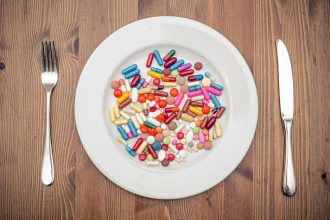
A 2024 study published in the Journal of Pharmaceutical Policy and Practice shows alarmingly high failure rates for essential drugs for malaria (15.6 per cent), high blood pressure (16.3 per cent), antibiotics (44.6 per cent), and deworming medicines (60.7 per cent).
In Kenya, the antibiotics most frequently faked are amoxicillin, ciprofloxacin, and co-trimoxazole. These failures have direct consequences: prolonged illness, drug resistance, and in severe cases, death.
Kenya’s Pharmacy and Poisons Board (PPB) conducts regular nationwide crackdowns on illegal medicines. In 2024, these operations shut down 99 illegal premises and seized thousands of illicit products, leading to the arrest of 36 suspects.
Illegal drugs see offenders fined of up to Ksh1 million and jail terms for up to two years
Under Kenyan law, the penalties for dealing in counterfeit or illegal medicines are severe, including fines of up to Ksh1 million and imprisonment for up to two years.

In late 2025, the Health Cabinet Secretary, Aden Duale, directed the PPB to intensify these efforts, ordering the immediate removal of all substandard and illegal medicines from the market.
To improve medicine safety in Kenya, the Ministry of Health launched major digital systems in 2025. These new tracking and logistics systems aim to stop theft, improve transparency, and prevent fake drugs from entering the market.
At the same time, the new African Medicines Agency (AMA) is starting its work across the continent. Its key jobs are to help countries work together on drug rules, make testing labs stronger, and create a continent-wide alert system for dangerous medicines.
How to Protect Yourself
To avoid unsafe medicines, you can take these simple steps:
- Avoid products with no English or Swahili instructions.
- Look for and check the official PPB registration sticker displayed in every pharmacy.
- If you see no sticker, ask the pharmacy for its official PPB registration code.
Pharmacists and other health workers are also crucial in teaching patients and guiding them to safe choices. In short, through stricter rules, new technology, and better public information, Kenya’s goal is to ensure everyone can get medicine that is safe, works well, and is affordable.