

Medics often ignore a patient’s narration of worries, culture and stress, yet their hypertension could be spiking over debt, job loss or trauma, while endless abdominal pain could be from battling inheritance with siblings.
In the high-tech, data-driven world of 21st-century medicine, patients’ visit often feels like a checklist. We deploy MRI machines, lab tests, analyse genetic sequences, and rely on algorithmic scores to guide treatment. We have successfully transformed medicine into a science of precision, yet in doing so, we risk forgetting that the patient is not a collection of biomarkers; they are a story.
Modern healthcare must undertake a fundamental shift: recognising that scientific healing alone is insufficient. Accurate diagnosis, effective treatment, and complete healing require a radical return to deep listening, as diagnosis is fundamentally encoded within the patient’s narrative-which is under siege from time constraints.
The average primary care visit lasts under 15 minutes. The clinician must gather symptoms, review electronic health records (EHRs), perform exams, educate the patient, document for billing, and formulate a plan. In this environment, the easiest piece of data to sacrifice is the contextual narrative.

The checklist trap: Clinicians are trained to elicit symptoms based on review-of-systems checklists: Fever? Nausea? Joint pain? This approach efficiently screens for recognised diseases but fails to capture the unique, messy reality of the patient’s lived experience.
The EHR barrier: The electronic health record often forces clinicians to document in pre-set categories. The patient’s speech, worries, cultural beliefs and stressors are reduced to clinical shorthand, filed away as “Psychosocial Context: Not contributory.”
The interruption habit: Studies show physicians often interrupt patients less than 30 seconds into revealing what could be the single most important detail that brings their symptoms into focus.
The result of this hyper-efficient model is a fundamental misunderstanding: treating the disease (elevated blood pressure) without treating the reason for high blood pressure (chronic debt, job loss, or unresolved trauma).
When a doctor only looks at lab results for complex cases, they often get stuck
Many serious conditions, particularly autoimmune diseases, mental health crises, and rare disorders often manifest as a confusing constellation of vague symptoms- fatigue, diffuse pain, insomnia-that defy initial categorization.

When a doctor only looks at lab results for complex cases, they often get stuck. But when they ask, “Tell me your story-when this began,” that narrative becomes the essential map forward.
Consider a middle-aged man presenting with severe stomach pain that baffles doctors, until he told his story. The pain began after his father’s sudden death and ensuing stressful inheritance fight. This revealed the true cause: Somatic Symptom Disorder, where emotional pain becomes physical. His pain was real, but its source was in his story.
Indeed, no illness is isolated. It interacts with the environment, culture and socioeconomic status. The story provides the contextual diagnosis critical for adherence and efficacy.
A patient with poorly controlled Type 2 Diabetes is given a standard prescription and dietary advice. In a standard 15-minute visit, the doctor won’t discover the patient lives in a food desert with only cheap, unhealthy options, or can’t afford the prescribed medication. The treatment plan fails because the social reality, learned only from the patient’s story, was ignored. The real diagnosis isn’t just high blood sugar; it’s poverty.
Illness is the human experience of disease- the stigma, fear of infecting family, loss of work
Narrative Medicine is the structured practice of listening carefully and respectfully to a patient’s life story and using that understanding to improve their care. It is a proven approach that trains doctors to be fully present and responsive to what their patients share. This framework offers several transformative benefits:

Enhanced diagnostic empathy: By absorbing the story, the clinician’s empathy is transformed from a passive feeling into an active, diagnostic tool. This empathy improves the therapeutic alliance, which is proven to correlate with better health outcomes, regardless of the specific treatment.
Uncovering the illness vs. disease split: Disease is the biological pathology, like mycobacterium tuberculosis infection. Illness is the human experience of the disease- the stigma, fear of infecting family, loss of work, difficulty accessing medication. A purely scientific model only treats the disease. A narrative approach addresses the illness, which is necessary for the patient’s sense of wellness and agency.
Co-authoring the future: When a patient is listened to, they are given agency. They move from being a passive recipient of medicine to an active collaborator in their care. The treatment plan is not imposed; it is co-authored. This dramatically increases patient ownership and, consequently, adherence to complex regimens.
The necessity of the patient story extends far beyond the physician-patient encounter. It requires coordination from all members of the healthcare team.
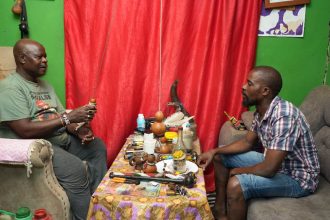
The pharmacist’s role: A pharmacist is the last safety net. For example, when a patient says they’ll stop an antibiotic as soon as they feel better, that one answer allows the pharmacist to prevent misuse and antibiotic resistance, often catching what the doctor missed. Understanding why a patient is non-adherent-whether due to cost, logistics, or misunderstanding-allows for targeted intervention that prevents the premature cessation of antibiotics, a major driver of AMR and subsequent treatment failures that require more expensive, second-line therapies.
The nurse’s role: Nurses spend most time with patients, witnessing their pain, fear, confusion and family dynamics, daily. Their observations, when documented not just as vital signs but as narrative context, are indispensable for holistic care planning.
Other healthcare professionals: Physical therapists, social workers, dietitians, and mental health counselors each encounter unique aspects of the patient’s story which when shared among medical teams create a comprehensive understanding that no single provider could achieve alone. The argument for deep listening is not just humanitarian; it is economically sound. Misdiagnosis, prolonged hospital stays due to non-adherence, and unnecessary testing due to vague presentations cost health systems billions.

Reduced unnecessary testing: When a thorough narrative interview is conducted, the clinician can often rule out possibilities faster, leading to a more focused and less expensive diagnostic workup. A detailed narrative can often negate the need for expensive, invasive, or inconclusive tests.
Decreased litigation: Patients who feel heard and respected are significantly less likely to file malpractice suits, even when outcomes are poor. The quality of the human interaction is a powerful insulator against legal conflict.
Improved adherence and outcomes: Patients who co-author their treatment plans demonstrate higher rates of medication adherence, lifestyle modifications, and follow-up attendance, all of which reduce long-term healthcare costs.
Modern medicine must not see science and narrative as rivals, but as partners. We must leverage the incredible power of genomics and big data while simultaneously reclaiming the art of attention, presence and genuine curiosity.
The task for medical education is clear: to formally train clinicians not just in pathology, but in phenomenology-the study of experience. We need doctors who can proficiently read a CT scan and just as skilfully read the tone, pauses, and context of the patient’s voice.

Practical implementations might include:
- Protected time for narrative: Restructuring appointment schedules to allow at least one extended visit per year where the primary goal is simply to listen.
- EHR reform: Creating space within electronic records for free-text narrative documentation that captures the patient’s voice, not just clinical shorthand.
- Interdisciplinary rounds: Regular team meetings where all healthcare providers share narrative observations, building a complete picture of the patient’s experience.
- Training in active listening: Medical and nursing curricula that teach techniques for eliciting stories, recognising narrative cues, and resisting the urge to interrupt.
By making the patient’s story the central axis of the clinical encounter, we unlock the contextual diagnosis, improve the therapeutic relationship, and deliver healthcare that is truly precise, effective, and, most importantly, human, considering the patient is not a collection of biomarkers. They are a person with a story, and in that story lies not just their suffering, but the key to their healing.
Dr Madeline Iseren is a pharmacist and columnist on topical health and medical issues.