

For low-income countries, life-saving vaccines often arrive decades late. Scientists are now asking: how do we stop the waiting game?
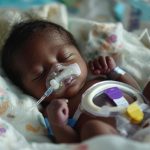
Every year, a new vaccine is delayed in reaching low-income countries, and thousands of newborns die from a preventable disease. That is the stark reality framing the global conversation around Group B Streptococcus (GBS), a bacterium carried naturally by millions of pregnant women worldwide and a leading cause of newborn sepsis, pneumonia, and meningitis.
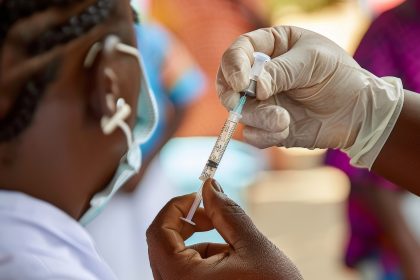
With a maternal GBS vaccine now in Phase 3 trials, the scientific community is confronting a familiar but urgent question: when a vaccine becomes available, who will get it first – and who will be left waiting?
These questions took centre stage last week at the 4th International Symposium on Streptococcus agalactiae Disease (ISSAD) in Nairobi, Kenya, where researchers, regulators, and global health experts gathered to confront the structural inequities that have long delayed vaccine access in the world’s poorest countries.
“We’ve seen significant delays in the introduction of new vaccines in low- and middle-income countries compared to high-income countries,” said Prof Michelle Groome, Technical Lead for the Maternal Immunisation Readiness Network in Africa and Asia (MIRNA), addressing delegates at the conference. “Sometimes up to a decade where we wait for vaccine introduction in low-income countries.”
When a new vaccine emerges, wealthy nations move quickly, others wait
The inequity is not accidental. It is structural. Regulatory pathways, health system infrastructure, laboratory capacity, surveillance systems, and financing mechanisms all function differently – and often less robustly – in low- and middle-income countries. When a new vaccine emerges, wealthy nations with established frameworks move quickly. Others wait.

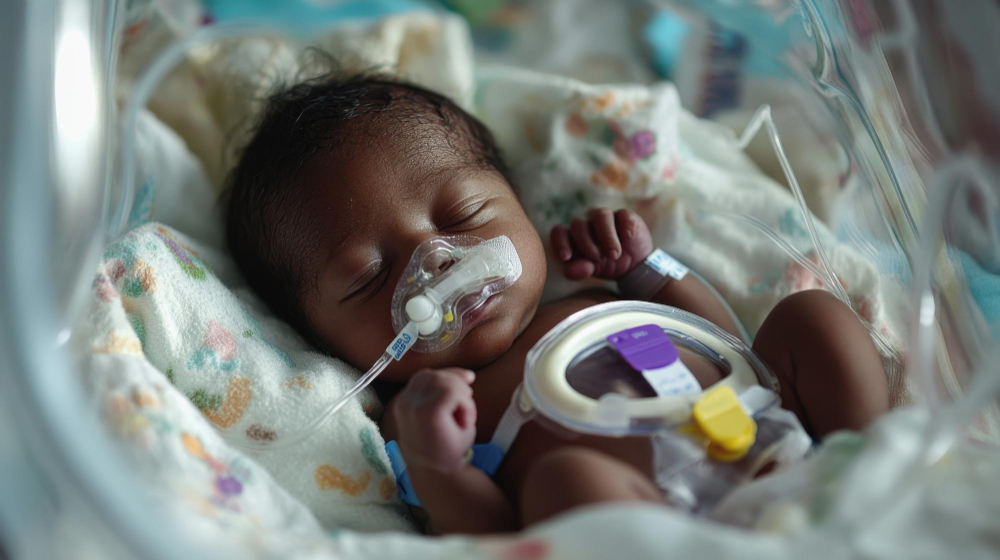
For GBS, the consequences of that wait are measured in newborn lives. GBS colonises healthy adults without symptoms, posing no personal health threat to pregnant women. For their newborns, however, it can cause fatal sepsis, pneumonia, or meningitis in the first 90 days of life.
Dr Ignacio Esteban, a paediatrician and epidemiologist leading maternal immunisation efforts at Gavi, the Vaccine Alliance, was candid about what lies ahead. “For diseases like GBS or RSV, high-income countries will introduce first. That is an assumption that I think will remain over the next years. But we have to work to reduce the gap in the number of years until the product becomes available for low-income countries.”
Countries face difficult decisions about prioritising their vaccine portfolios, and depending on their transition status and funding availability, must choose which new introductions to pursue. “Some countries will be very ready because they have a very strong National Immunisation Technical Advisory Group,” Dr Esteban noted. “Others will need more support.”
Understanding drivers and barriers to vaccine uptake that vary by country and context
MIRNA, a consortium of nine countries across Africa and Southeast Asia coordinated from Johannesburg, South Africa, was built precisely to avoid the pattern of delay repeating itself. The network works to identify and support the platform, policy, and preparedness requirements for introducing new maternal vaccines, before those vaccines arrive.
“We’re not trying to reinvent the wheel,” Prof Groome emphasised. “We’re trying to use what has already been done and adapt this to our context.”
The consortium focuses on three interconnected areas: producing evidence on disease burden and cost-effectiveness to build the case for vaccine introduction; assessing health system readiness; and evaluating community readiness by understanding the drivers and barriers to uptake that vary by country and context.
The network’s approach is deliberate about geography. Countries were selected to represent different regions, with the expectation that they will serve as anchors for surrounding nations. “We’re raising up leaders from the south,” Prof Groome said. “We’re trying to generate country advocacy and leadership, a unified approach to strengthening platforms so we can ensure early adoption.”
Low-income countries face persistent challenges in monitoring vaccine safety
Even when a vaccine is introduced, the work of protecting public trust in it has only just begun. Pharmacovigilance – the science of monitoring vaccine safety after introduction – is where many low-income countries face their most persistent challenges.
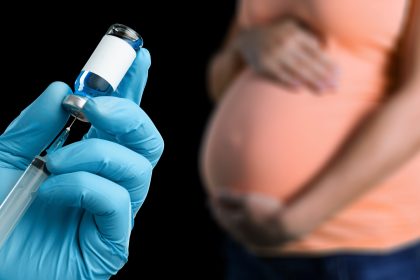
Dr Martha Mandale, Principal Regulatory Officer at Kenya’s Pharmacy and Poisons Board (PPB), oversees this work. She noted that 200 million women become pregnant each year globally, with a significant proportion in low- and middle-income countries. Yet in most of these settings, passive surveillance systems capture only a fraction of adverse events that actually occur.
“We don’t see a lot of reports on medicine and vaccine use in pregnancy,” Dr Mandale said. “In Ghana, for example, there have been fewer than 50 reports from mothers after immunisations in the last 20 years. The same picture is replicated in most low- and middle-income countries.”
The complexity of pregnancy compounds the challenge. Distinguishing vaccine-related events from normal pregnancy outcomes – miscarriages, stillbirths, preterm deliveries – demands robust systems and trained personnel.
“Sometimes it is the awareness that is missing,” Dr Mandale acknowledged. “Is this a normal occurrence? Do we need to report? It is understandable because it is confusing – is this a pregnancy issue or an adverse event following immunisation?”
Argentina’s rollout of a maternal RSV vaccine offers a model worth studying
During the COVID-19 pandemic, Kenya implemented active surveillance through cohort event monitoring, following vaccinated individuals closely and producing a dramatic increase in reporting.
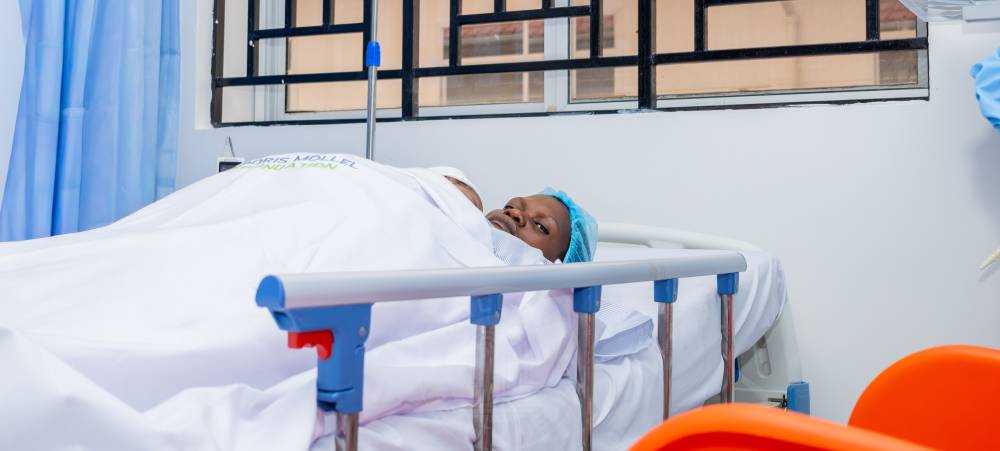
Her priorities for strengthening pharmacovigilance are clear: training healthcare professionals, integrating national pharmacovigilance systems with maternal and child health platforms, promoting electronic reporting tools, and sustained capacity building. “We cannot overemphasise the importance of collaboration and harmonisation,” she said.
Low-income countries need not look far for proof that rapid vaccine introduction is achievable. Argentina’s rollout of a maternal RSV vaccine offers a model worth studying. Efficacy trial results were published in mid-2023.
By September, Argentina’s regulatory agency had approved the vaccine. In November, the national immunisation advisory group recommended it. By December, the Ministry of Health included it in the national schedule. First doses were administered in March 2024.
Vaccine rollout success rests on clear national policy, operational access, effective communication
Coverage reached 67.8 per cent in the first season, with over 147,000 doses administered. Some provinces achieved 90 to 100 per cent coverage by the second year. Real-world effectiveness studies confirmed a 78.6 per cent reduction in RSV hospitalisations in infants up to three months old. After two complete seasons, no safety signals were reported.
Dr Gonzalo Pérez Marc, who led the rollout, identified three pillars of success: clear national policy, operational access, and effective communication.
Argentina’s national vaccination law defines vaccination as an individual right and social responsibility, and the public system is free for everyone.
“A clear evidence-based policy is the foundation of successful implementation,” he said. “Real-world evidence allows us to address key questions raised by the public, healthcare professionals, and decision-makers.”
The pillars he describes are not exclusive to wealthy nations. They are achievable anywhere, with the right investment and political will.
In Kenya, surveillance for GBS is still limited, awareness low
For Kenya and other low- and middle-income countries, preparing for a GBS vaccine means strengthening platforms that already exist. Antenatal care reaches most pregnant women, but gaps remain. Surveillance for GBS disease is still limited, laboratory capacity varies, and awareness among healthcare providers and communities is low.

MIRNA is working to change that via conducting situational analyses, assessing readiness, and engaging governments across its nine-country network.
The Pfizer Phase 3 trial, now underway, besides enrolling participants across 18 countries, including low- and middle-income settings, signals that the scientific community is trying to build equity in from the start rather than as an afterthought. But science alone will not close the gap. Systems must be built, leaders must emerge, and the political will to act must be sustained long before a vaccine vial arrives at a clinic door.
“The question now is not whether we can prevent GBS,” said Dr Schrag, “but whether we can deliver prevention to everyone who needs it.” For the countries that have historically waited the longest, the answer to that question is being written right now.