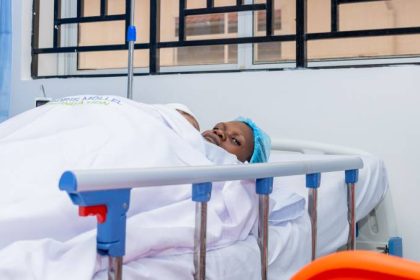

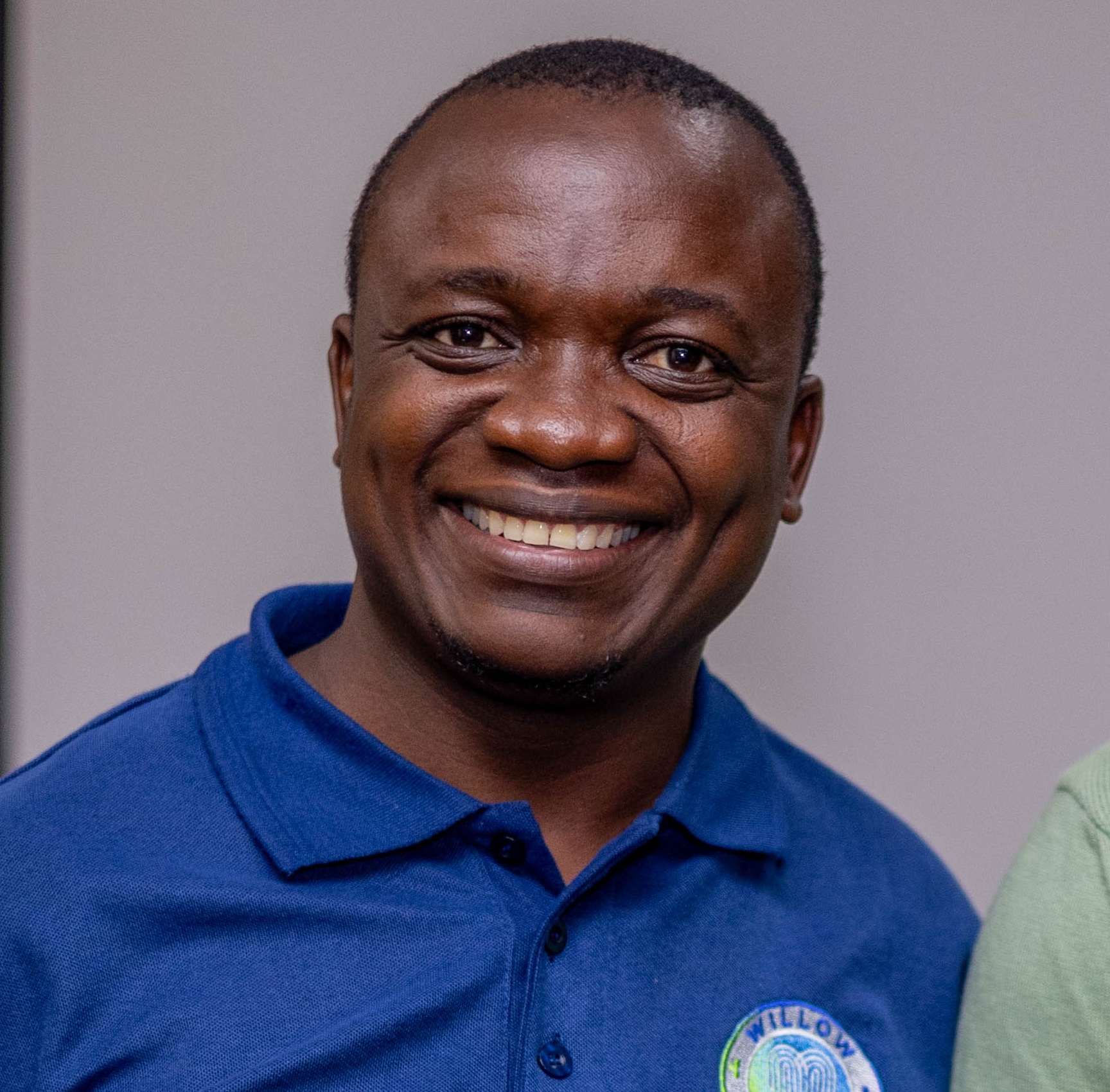
For two years, a broken lift and missing ramp at Prosperity House in Kisumu have turned a simple trip for public services into a daily battle for access, privacy and dignity.
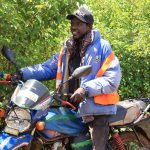
Michael Ochieng uses an adaptive hand-trike. Last year, when he went to Prosperity House in Kisumu to apply for a birth certificate, he was told he would have to be carried upstairs to the office that was meant to serve him. He refused.
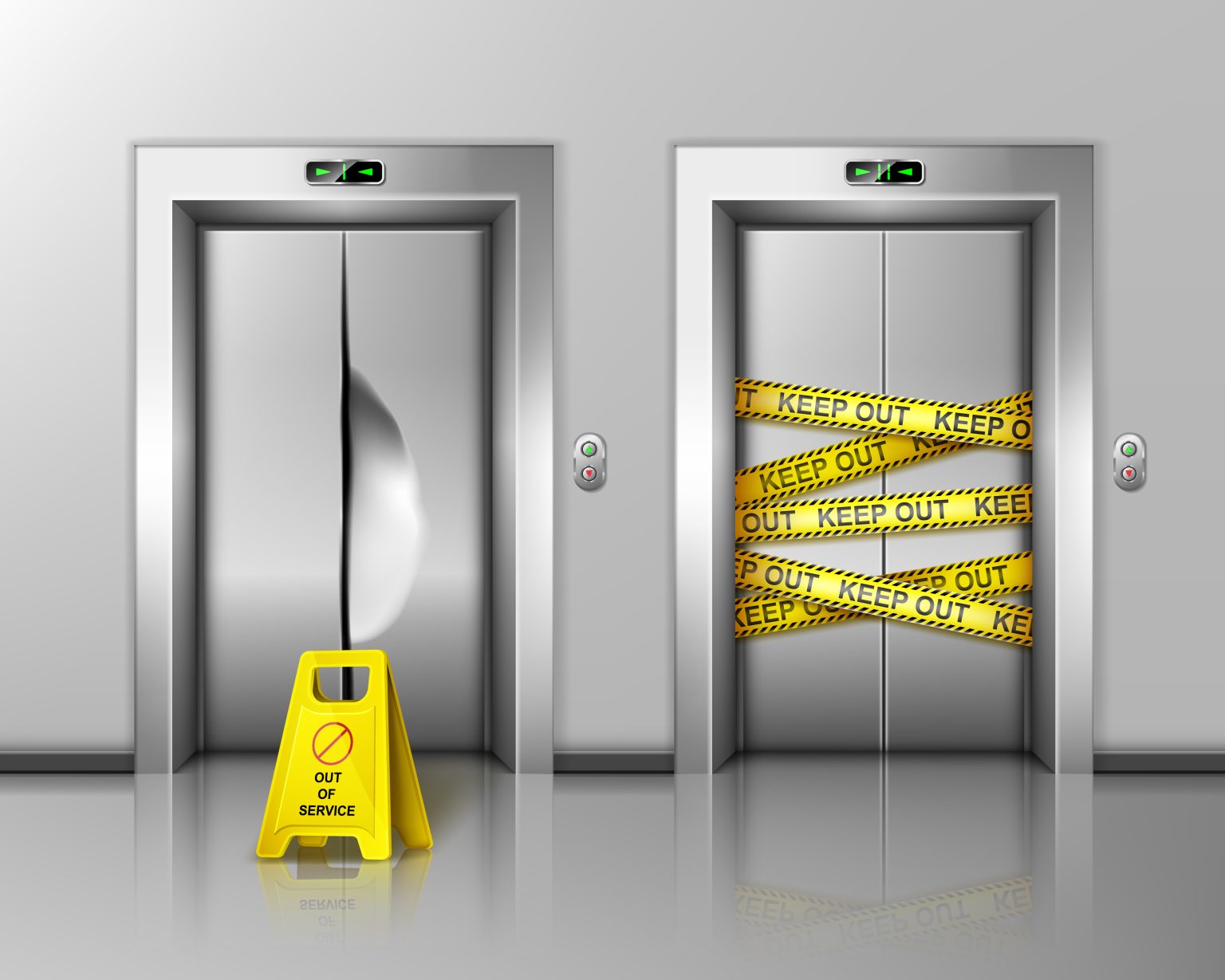
The office he needed was not on the ground floor but several storeys up, in a building with no access ramp for wheelchair users and other people with mobility challenges. Disability advocates say the lift, once the only way to reach the upper floors independently, has been out of service for almost two years.
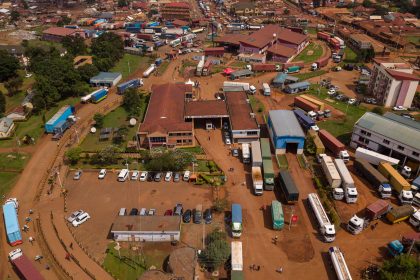
For thousands of persons with disabilities in Kisumu, this is not a hypothetical problem but everyday life at Prosperity House, formerly the Nyanza Provincial Headquarters Building and one of western Kenya’s busiest government administrative complexes. Rising in three interconnected wings, between 14 and 17 floors, it houses Huduma Centre Kisumu, the Regional Passport Office, the Office of the Regional Commissioner, the County Commissioner’s Office, the County Government of Kisumu headquarters, including the offices of the Deputy Governor, County Secretary and various County Executive departments, and numerous other government offices.
Without a working lift or ramp, visitors with mobility challenges face a difficult choice: pay someone to carry them upstairs, pay another person to take their documents and speak to officers on their behalf, or go home without receiving the service they came for. Every option carries a cost. Some are counted in shillings; others are measured in dignity.
We are not asking for favours but demanding our constitutional right to access public services
For Ochieng, the issue was never about convenience. It was about dignity. “Last year, when I went to apply for a birth certificate, I was told I had to be carried upstairs to the office that was supposed to serve me. I refused because being carried is not dignity. Eventually, I was served on the ground floor. We are not asking for favours; we are demanding our constitutional right to access public services like every other Kenyan,” he says.
“We should not be forced to rely on third parties or be carried upstairs to access government offices. We deserve to meet officers face-to-face, protect our privacy and receive services independently. The Constitution guarantees us reasonable access, and we are simply asking the government to make that promise a reality,” he adds.
His experience is shared by John Keen Ochieng, a wheelchair user and student at Maseno University. He remembers when the lift worked, and every floor was within reach. Now, instead of speaking directly to government officers, he is often asked to explain his needs to another person, who relays the message upstairs. That may appear to solve the access problem, but it creates another: confidential matters, including health-related concerns, end up shared with strangers.
“Before the lift stopped working, I could independently access any office in the building. Today, I’m often asked to explain my needs to someone else who relays the message upstairs. That takes away my privacy, especially when seeking confidential services such as health-related assistance,” he says.
For Salphine Njeri, who uses a prosthetic leg, every visit to Prosperity House is a reminder that accessibility remains unfinished business. “As persons with disabilities, we face enormous challenges accessing government offices at Prosperity House because there is no ramp and the lift is not working. Reaching offices on the upper floors has become a daily struggle,” she says. Her appeal is simple: not sympathy, not favours, but accessibility.
The law requires public buildings to have ramps, lifts, accessible washrooms, handrails
These barriers extend beyond wheelchair users to older persons, people using crutches, individuals recovering from injuries, pregnant women and anyone with limited mobility. According to the 2019 Kenya Population and Housing Census, about 2.2 per cent of Kenyans live with a disability, a figure disability rights groups say understates the true scale because of how survey questions have historically been framed.
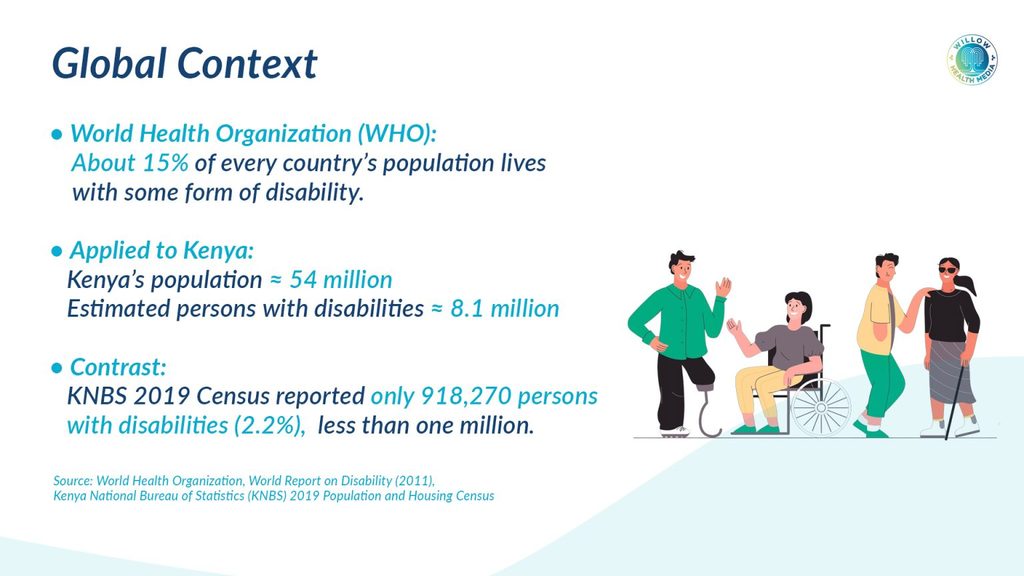
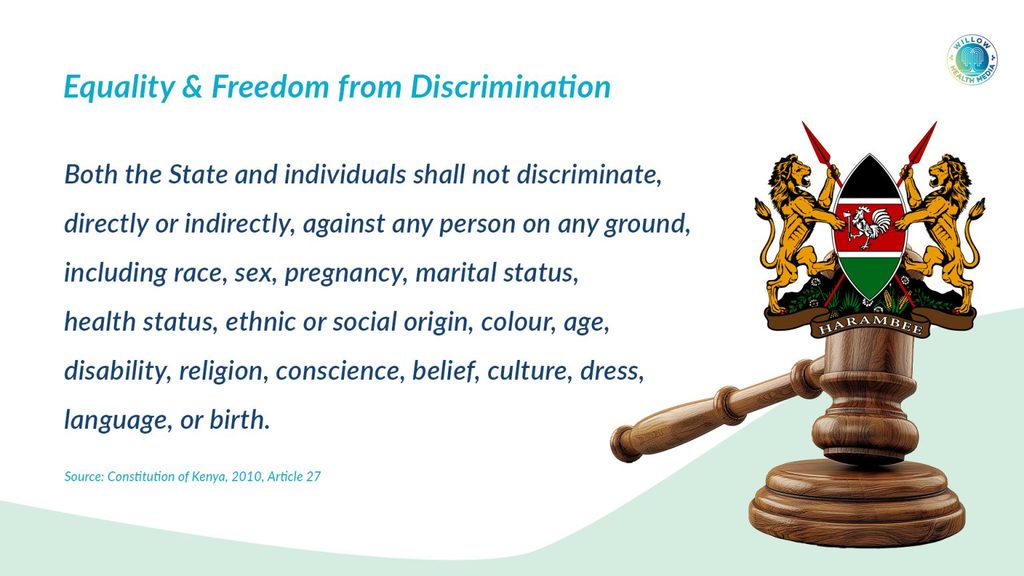
Kenya’s legal framework could not be clearer. Article 54(1)(c) of the Constitution of Kenya, 2010, guarantees persons with disabilities the right to reasonable access to all places, public transport and information. Article 27 prohibits discrimination on the basis of disability. Section 21 of the Persons with Disabilities Act, 2003, requires public buildings to provide facilities such as ramps, lifts where necessary, accessible washrooms, handrails and other universal access features.
Accessibility, therefore, is not an act of generosity but a constitutional obligation. Every government office is funded by taxpayers and exists to serve every citizen equally. Yet many persons with disabilities continue to pay twice: first through taxes, then through the personal cost of hiring someone to carry them upstairs or deliver confidential information and documents on their behalf.
Confronted with these concerns by Willow Health Media, the government has acknowledged the problem and says a solution is finally in sight.
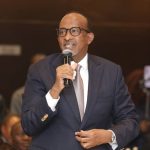
Nyanza Regional Commissioner Onesmus Kyatha confirmed that two of the building’s three lifts developed motor faults, leaving thousands of citizens, particularly persons with disabilities, struggling to access essential services for over two years.
I have directed any person with disability requiring government services to use the VIP lift
He said the government, working with development partners, has already procured replacement motors, which have been delivered, with only electrical cabling and a few remaining installations left before the lifts can be commissioned. He expressed confidence that repairs would be completed within two weeks, restoring access to the dozens of offices spread across the building’s upper floors.
“We understand the inconvenience this situation has caused, especially to Persons Living with Disabilities. While we complete the repairs, I have directed that any person with a disability requiring urgent government services be assisted to use the VIP lift in the other wing of the building so they can access the offices they need,” said Kyatha.
He added: “We cannot ask citizens to wait indefinitely for repairs while essential services remain out of reach. Our priority is to ensure they continue receiving services with dignity as we work to restore the main lifts within the next two weeks.”
For Ochieng, John Keen and Njeri, that promise will only mean something once the lifts are running and the stairs stop being the only way in.