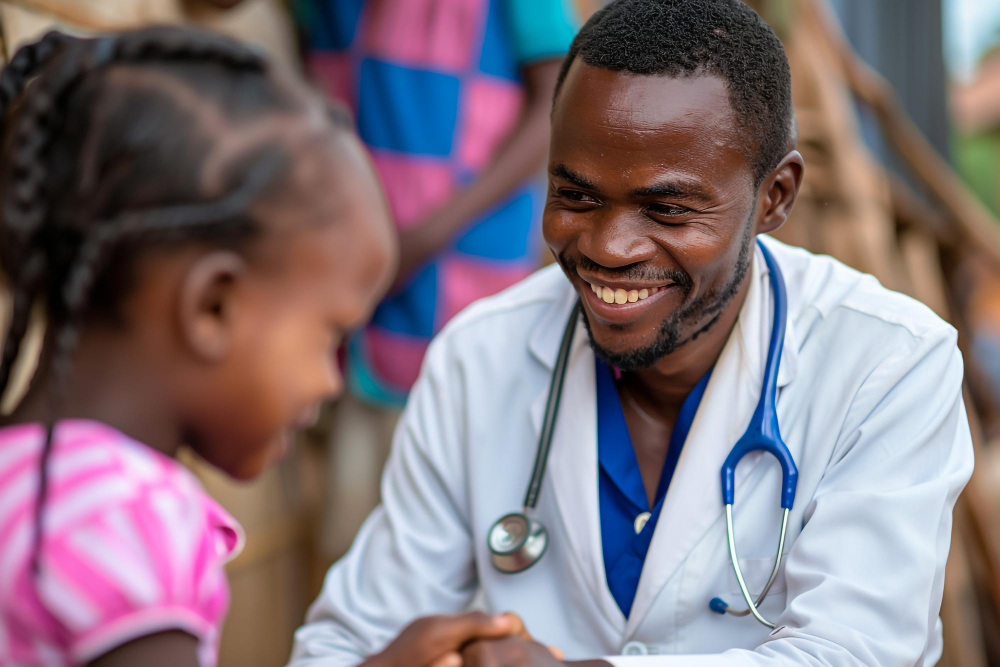
A community health promoter knocking on your door. A free consultation at the dispensary down the road. This is what a functioning health system looks like.
The big idea
Imagine a health system where illness is detected early, treated quickly and often prevented altogether. That is the promise of primary healthcare (PHC).
It is a model built around a simple principle: bring care closer to people, and deal with health problems before they become severe, expensive or life-threatening.
In Kenya, PHC is now at the centre of efforts to achieve Universal Health Coverage (UHC), ensuring that everyone can access essential services without financial strain.
What primary healthcare actually means
Primary healthcare is the first point of contact between people and the health system.

It includes everyday but essential services such as:
- Immunisation
- Maternal and child health care
- Treatment of common illnesses
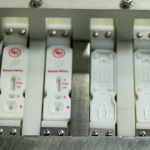
- Basic diagnostic tests
- Health education and screening
The focus is on prevention and early treatment, reducing the need for specialised hospital care.
Why it matters
When healthcare starts at the community level, problems are caught early.
A simple condition treated at a local clinic can prevent:
- Emergency hospitalisation
- Long-term complications
- High medical costs
Strong PHC systems:
- Save lives
- Reduce pressure on referral hospitals
- Lower out-of-pocket spending for families
How the system is structured in Kenya
Kenya’s PHC system is organised into levels:
- Level 1: Community and household services delivered by Community Health Promoters
- Level 2 and 3: Dispensaries and health centres, respectively, offering outpatient care and diagnostics
- Select Level 4: Sub-county hospitals providing advanced primary care and limited inpatient services
These facilities operate within Primary Care Networks, allowing patients to access services flexibly across locations.
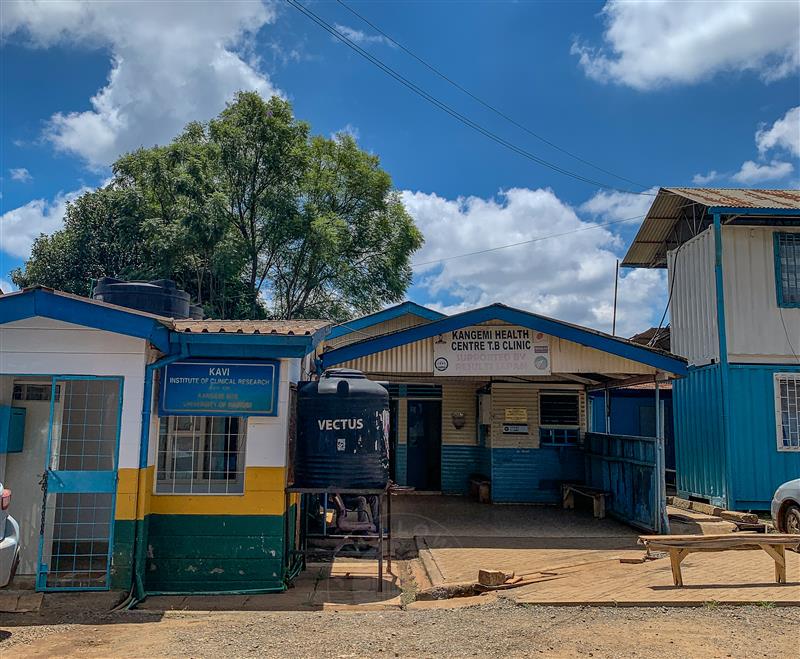
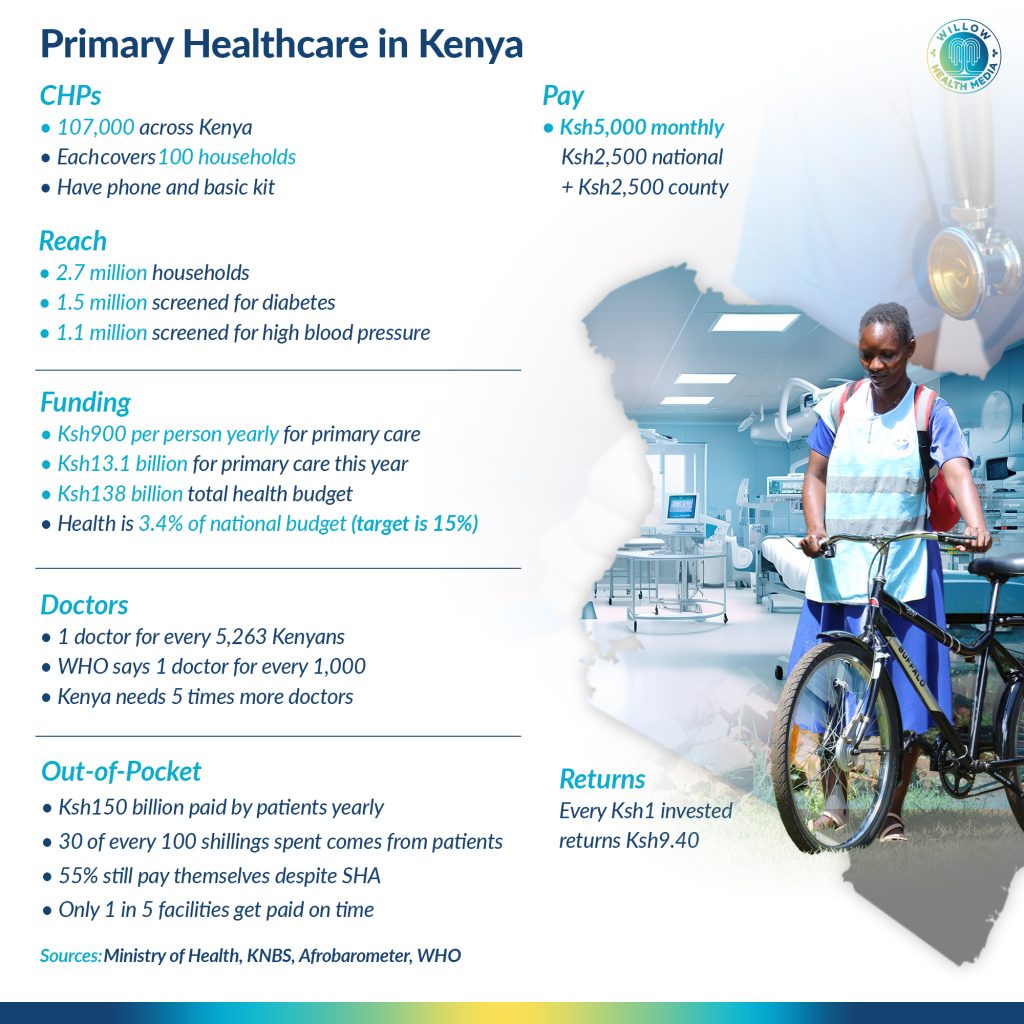
Community Health Promoters play a frontline role by:
- Visiting households
- Offering health education
- Conducting screenings
- Linking patients to facilities
How it is financed
A major shift in Kenya’s reforms is financing. Under the Social Health Insurance Act (2023), the government established the Primary Health Care Fund, ensuring essential services are available at no cost at the point of care.
The system uses a capitation model:
- Ksh900 per person per year is allocated for PHC services
- Funds go to facilities, not individuals
- Payments depend on patient registration, visits and conditions treated
The goal is to:
- Provide free consultations and treatment
- Improve access to medicines and diagnostics
- Promote early care
- Reduce household health spending
What services are covered
Preventive and screening services
- Cervical cancer screening (HPV test): Ksh3,600
- Prostate cancer screening (PSA test): Ksh1,500
- Colorectal cancer screening (stool test): Ksh400
- Cryotherapy (pre-cancer treatment): Ksh3,000
- LEEP (Loop Electrosurgical Excision Procedure) procedure for cervical cancer: Ksh2,800
Chronic disease management (outpatient, typically once per year)
- Diabetes care: Ksh4,300
- Cardiovascular disease: Ksh2,850
- Sickle cell disease: Ksh6,800
- Asthma and chronic respiratory illness: Ksh700
Optical care
- Eyeglasses reimbursement: Ksh950 per household (up to a Ksh1,000 limit)
Maternity and newborn care
- Normal delivery: Ksh10,000
- Caesarean section delivery: Ksh30,000
These benefits aim to improve maternal and child health by ensuring access to skilled care.
Inpatient care at primary-level facilities (annual limits per household)
- Level 3 facilities: Ksh2,240
- Level 4 facilities: Ksh3,360
Beyond primary care: extended coverage
For more complex conditions, the Social Health Insurance Fund (SHIF) provides additional support:
- Haemodialysis and haemodiafiltration: Ksh10,650 per session
- Peritoneal dialysis: Ksh85,200 per month
- Cancer diagnosis and treatment: Up to Ksh400,000 per person per year
Mental health services are also covered, including outpatient and inpatient care within defined limits.
Treatment for drug and substance abuse is financed separately under SHIF tariffs.
However, once a patient has utilised the benefits offered per annum, any subsequent procedures must be paid out of pocket.
The scale of investment
Government investment in PHC is rising:
- Ksh13.1 billion (2025–2026)
- Up from Ksh7.1 billion the previous year
This near doubling reflects recognition of PHC as a cost-effective way to strengthen healthcare delivery.
The bigger picture
Primary healthcare goes beyond treatment. It focuses on:
- Prevention
- Early detection
- Continuous care
- Community-level access
It connects households, clinics and hospitals into one system designed to keep people healthier for longer.
The bottom line
Primary healthcare is the foundation of a resilient health system.
When it works:
- Illness is caught early
- Care is closer and more affordable
- Hospitals are less congested
- Families are protected from high costs
Kenya’s shift toward PHC signals a clear direction.
The future of healthcare is not built around hospitals alone, but around strong, accessible care at the community level.