
This simple food solution is quietly reversing a dangerous pregnancy condition.
The strange craving
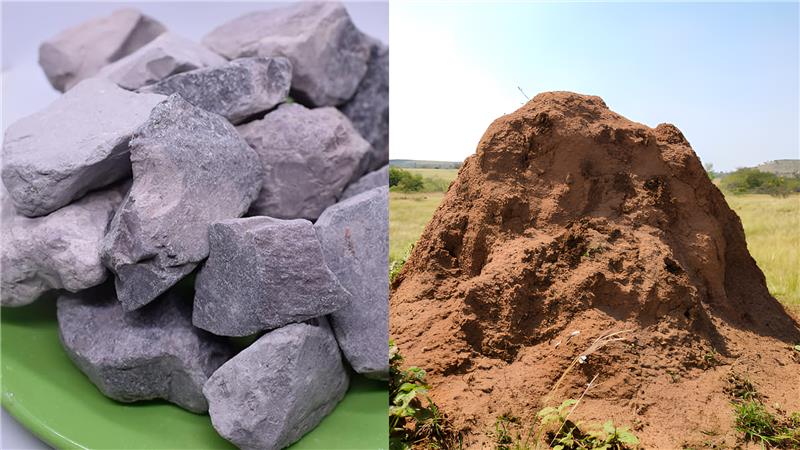
For some pregnant women, cravings go beyond fruit or salty foods. They turn to soil.
The urge can be intense and persistent. Some describe it as a physical need that feels almost like thirst. This condition, known as pica, is common in many communities but often misunderstood and rarely discussed openly.
While it may seem harmless or even culturally accepted, eating soil is often a warning sign from the body.
What it really means
In most cases, craving soil points to a nutrient deficiency, especially iron.
Iron plays a critical role in producing haemoglobin, the protein in red blood cells that carries oxygen throughout the body.
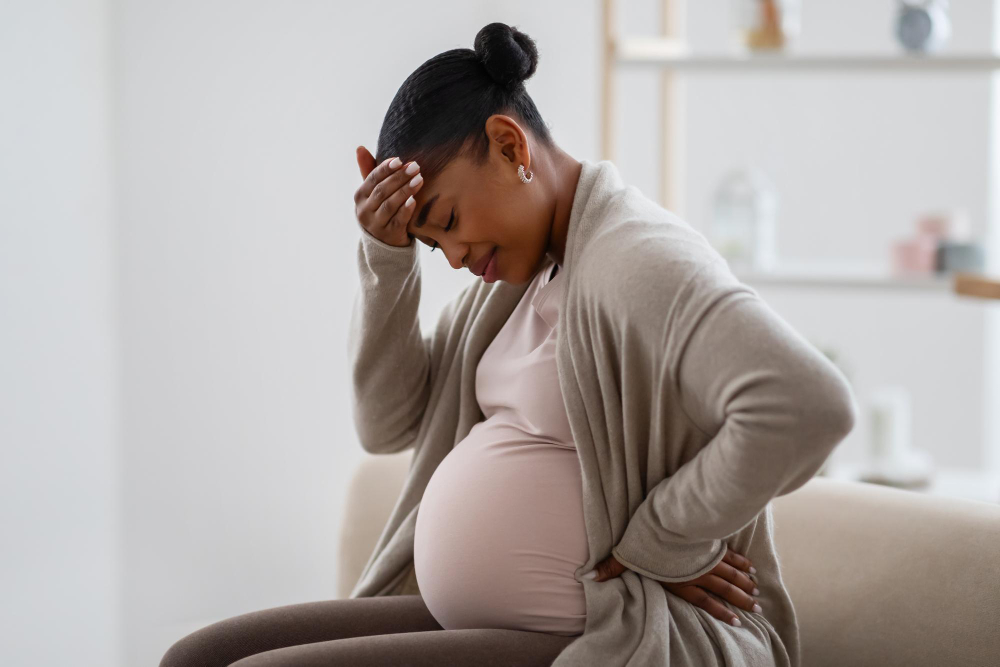
When iron levels fall:
- The body produces fewer healthy red blood cells
- Oxygen supply to tissues drops
- Fatigue, dizziness and weakness set in
Over time, this leads to anaemia, a condition that can quietly worsen if left untreated. For many women, the craving itself is the body’s attempt to compensate for what it lacks. But soil does not provide usable nutrients in a safe way and can expose women to infections and toxins.
Why anaemia is dangerous
Anaemia is one of the most common health challenges during pregnancy and one of the most overlooked.
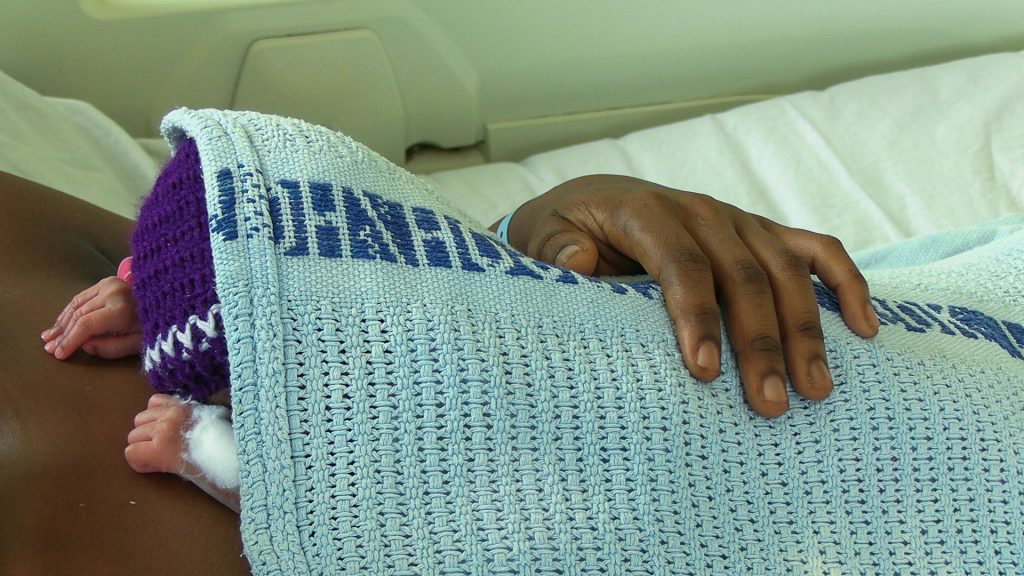
It increases the risk of:
- Premature birth
- Low birth weight
- Frequent infections
- Complications during delivery
In severe cases, it can endanger both mother and baby.
In Kenya:
- Nearly 40 per cent of pregnant women are anaemic
Globally:
- About 37 per cent of pregnant women are affected
These numbers reflect a widespread but preventable problem.
What is driving the problem
Several factors contribute to high anaemia rates:
- Diets low in iron-rich foods
- High rates of malaria, which destroys red blood cells
- Worm infections that reduce nutrient absorption
- Limited or inconsistent access to iron supplements
For many low-income households, maintaining a balanced diet is a daily challenge. Supplements, though effective, are not always affordable or consistently available.
The local solution growing in plain sight
Amid these challenges, a simple and accessible solution is gaining attention: indigenous vegetables.
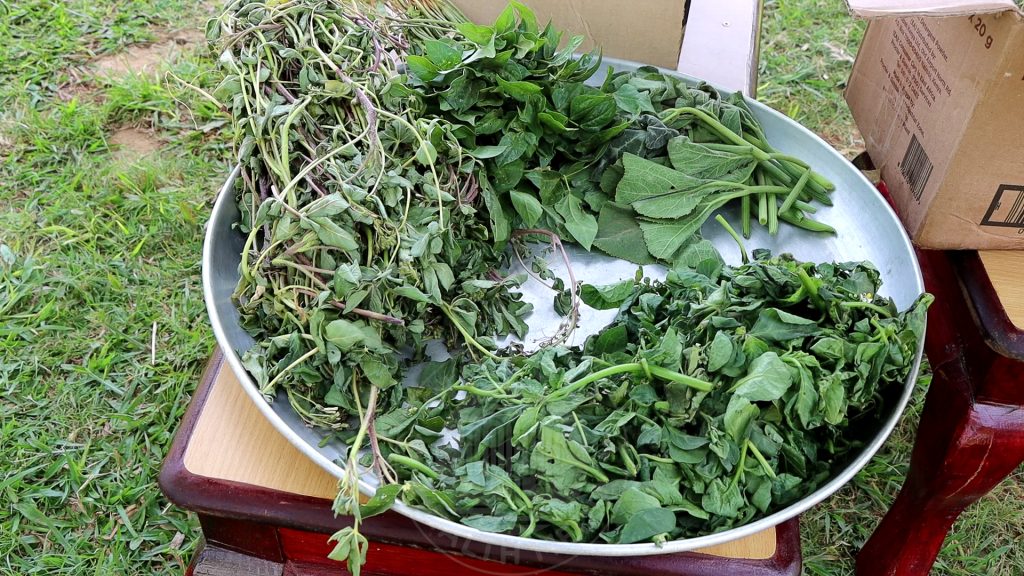
These include:
- Amaranth (dodo)
- Black nightshade (managu)
- Jute mallow (mrenda)
- Crotalaria (mitoo)
- Spider plant
- Pumpkin leaves
A long part of traditional diets, these vegetables are naturally rich in iron and other essential nutrients. They are also widely available, affordable and adaptable to small-scale farming.
What happens when diets change
Health workers and communities are seeing clear results when women incorporate these vegetables into their meals.
Many report:
- Reduced or completely stopped cravings for soil
- Increased energy levels
- Improved overall well-being during pregnancy
Clinical observations support these experiences. Improved diets help raise haemoglobin levels, reducing the severity and risk of anaemia.
How communities are responding
In counties such as Bungoma, efforts are underway to promote these foods more widely.
- Households are establishing kitchen gardens
- Vegetables are grown in sacks, containers and small plots
- Agricultural extension officers train families on sustainable farming
- Health workers educate women on nutrition and cooking methods
Preparation matters. Overcooking can destroy vital nutrients, reducing the benefits. Proper handling helps preserve the iron and vitamins needed during pregnancy.
Women’s groups are also stepping in, growing indigenous vegetables for both household consumption and sale in local markets. This not only improves nutrition but also supports livelihoods.
The bigger shift
What is emerging is more than a dietary change. It is a shift in how communities approach health.
- Food is being used as a first line of prevention
- Traditional knowledge is being revalued
- Agriculture and health are becoming more closely linked
Instead of relying solely on clinical interventions, communities are rediscovering solutions that have existed for generations.
The bottom line
Craving soil during pregnancy is not just unusual. It is often a sign of iron deficiency and a warning of anaemia.
Indigenous vegetables offer a practical, affordable and sustainable response. They help restore iron levels, improve maternal health and reduce risks for both mother and child.
Across farms, kitchens and clinics, a quiet transformation is taking place.
From eating the earth to heal… to growing what heals.
Sources: KDHS 2022/WHO/Bungoma County Department of Health & Agriculture.