


Cigarettes and tobacco products contain 17 well-known carcinogens, alongside other toxic compounds whose cancer-causing properties are still being uncovered
Every year, lung cancer claims about 1.8 million lives across the globe, cementing its position as the world’s deadliest cancer. The culprit behind most of these deaths is a familiar one: tobacco. Yet despite decades of scientific evidence and public education campaigns, more than one billion people worldwide continue to use tobacco products.
In Kenya, the numbers tell their own stark story. In 2022, an estimated 7.6 per cent of people over age 15 (roughly 2.6 million Kenyans) smoked tobacco. By 2021, tobacco use was responsible for 2.6 per cent of all deaths in the country. Beneath these statistics lies an escalating burden that touches families, health systems, and the economy.
To understand the science, the lived realities of tobacco-linked cancers, and what Kenya must urgently do, Dr Mercy Korir speaks to Dr Gladwell Kiarie, a leading medical oncologist and President of the Kenya Society of Haematology and Oncology (KESHO). Her message is clear: tobacco is driving cancer in ways many Kenyans still underestimate.
Cancer is no longer a distant or rare diagnosis in Kenya. Hospitals are seeing rising numbers, families are absorbing crushing treatment costs, and health workers are grappling with cases that arrive too late for curative care.
For Dr Kiarie, tobacco sits at the heart of this crisis, “And it is proven to have a direct causal relationship with cancer.”
Her point is not merely epidemiological; it is biological. Tobacco’s destructive impact on the body is well established, leaving little room for doubt or debate. Cigarettes and tobacco products contain 17 well-known carcinogens, alongside other toxic compounds whose cancer-causing properties are still being uncovered. Once inhaled or absorbed, these chemicals launch a multi-pronged attack on the body.
Tobacco use is linked to all types of lung cancer, including head and neck cancers, which are common in Kenya
Dr Kiarie breaks down the mechanisms clearly: First, tobacco damages DNA, causing mutations that accumulate over time and initiate cancer. Tobacco also triggers chronic inflammation, accelerating cell turnover and increasing the chances of malignant transformation. It weakens immune surveillance, making it harder for the body to detect and eliminate abnormal cells.

It induces epigenetic changes, switching off tumour suppressor genes while activating cancer-promoting genes such as TP53 and KRAS. The risk rises with increased exposure.
“The relationship is dose dependent,” she emphasises. “The more you smoke, the higher the risk for you developing a malignancy. And quitting has been shown to reduce this risk over time.”
Although lung cancer is the disease most commonly associated with tobacco, Dr Kiarie stresses that the effects of smoking extend far beyond the respiratory system. Tobacco use is linked to all types of lung cancer, head and neck cancers, which are common in Kenya, and oesophageal cancer, which is the second most common cancer in both Kenyan men and women.

Tobacco use is also linked to bladder cancer, with smoking responsible for about 40 per cent of all global cases, as well as pancreatic and other gastrointestinal cancers. The connection to bladder cancer often surprises patients, but the explanation is straightforward: toxic substances from cigarette smoke circulate through the bloodstream and eventually concentrate in the bladder. This can damage the bladder lining, cause chronic inflammation, and lead to epigenetic changes that foster cancer.
Some cancers, like breast cancer, may not have a direct causal link, but tobacco can still spark disease in those with a genetic predisposition. “In breast cancers, we know that if you have a genetic predisposition, cigarette smoking and tobacco use can be a trigger,” Dr Kiarie notes.
Across Kenya, many people believe that only heavy smokers or daily users face a serious risk, while others assume that secondhand smoke is harmless. According to Dr Kiarie, this misunderstanding is deadly.
Children, spouses, coworkers, and bystanders who inhale tobacco smoke are also exposed to carcinogens and increased cancer risk
“Sometimes people think that if you’re a smoker, your risk is greatest, but second-hand smoke, even what people call light smoking, for example, having five cigarettes a day, is a problem.”

This means that children, spouses, coworkers, and bystanders who inhale tobacco smoke are also exposed to carcinogens and increased cancer risk. For policymakers, this is a call to strengthen, not dilute, smoke-free public spaces.
Cancer patients in Kenya often present with symptoms that could have been caught earlier: difficulty swallowing, breathing problems, pleural effusions, or blood in the urine. Yet by the time they seek medical attention, the disease is typically advanced.
“The disappointment in our society is that three-quarters of our patients come with late manifestation of disease,” Dr Kiarie says. The consequences are heartbreaking. Late diagnosis means limited treatment options, poorer outcomes, and higher costs for families.
Another barrier is denial. Many tobacco users understate or hide their smoking habits from clinicians, undermining treatment planning. Others, even after diagnosis, continue smoking.
Some tell Dr Kiarie, “Doctor, I already have cancer. What difference does it make?”
Her response is unequivocal: it makes a tremendous difference. She warns that smoking during treatment weakens the effectiveness of chemotherapy, radiotherapy, and immunotherapy, slows surgical wound healing, increases tumour aggressiveness and growth, and reduces appetite, worsening malnutrition in already vulnerable patients. In other words, continued smoking can turn a treatable cancer into a deadly one.
Behavioural support is essential as most barriers to quitting are behavioural, social, and environmental
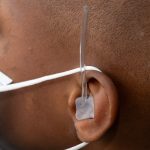
When asked about tobacco harm reduction, Dr Kiarie acknowledges that quitting is a journey. Complete cessation is the goal, but help exists for the steps along the way. She supports using “less harmful nicotine delivery systems” like nicotine patches under medical guidance. However, medication alone is insufficient.

Behavioural support, like counselling, psychotherapy, and support groups, is essential because most barriers to quitting are behavioural, social, and environmental.
“If there was at a policy level a bit of enforcement of this, it would be a big help to patients,” she adds, noting that Kenya’s policy gaps ultimately make quitting much harder.
Global experience shows what works, including strict enforcement of tobacco control laws, higher taxes to reduce affordability, expanded cessation programs in public hospitals, and removal of shisha and similar products from public spaces. Other strategies are graphic health warnings that show the physical damage from smoking, and corporate-funded awareness campaigns through Corporate Social Responsibility (CSR) initiatives.
“We should make cigarette smoking as uncomfortable as possible from a personal to a public to a national perspective,” says Dr Kiarie.
Already, KESHO is actively working to reduce tobacco-related cancers through several mechanisms, including advocacy for strict implementation of the Tobacco Control Act, support for smoking bans in institutions and public spaces, public awareness campaigns, including installing graphic posters in major hospitals such as Kenyatta National Hospital.
The organisation is also updating medical training to ensure smoking cessation is integrated into cancer treatment and promoting research to generate local evidence on the impact of tobacco in Kenya.
“Home-grown evidence and data are also needed,” Dr Kiarie emphasises, adding that KESHO is making a great effort towards supporting that. As Kenya faces rising cancer cases, the role of tobacco is unmistakable and preventable. Dr Kiarie’s message resonates beyond medical treatment: change is possible, but it must be deliberate, evidence-based, and country-wide.
Hooked: The hidden mechanics of nicotine addiction and the journey to recovery
Nicotine addiction changes the brain’s reward circuitry so that users come to rely on nicotine for mood, pleasure and basic emotional balance, making quitting extremely difficult for most people. Recovery typically requires both medical and psychological support, such as nicotine replacement, counselling and medication, rather than simply willpower.