Health is more than the absence of disease. It is a foundation for development, productivity, and social progress. In an age of misinformation, credible health journalism protects that foundation.
Health misinformation is spreading faster than ever, reshaping perceptions, undermining trust, and influencing life-and-death decisions. In Kenya and across Africa, false and misleading health information now threatens the foundation of public health as significantly as any pathogen. At the centre of the fight against this growing threat is health journalism.
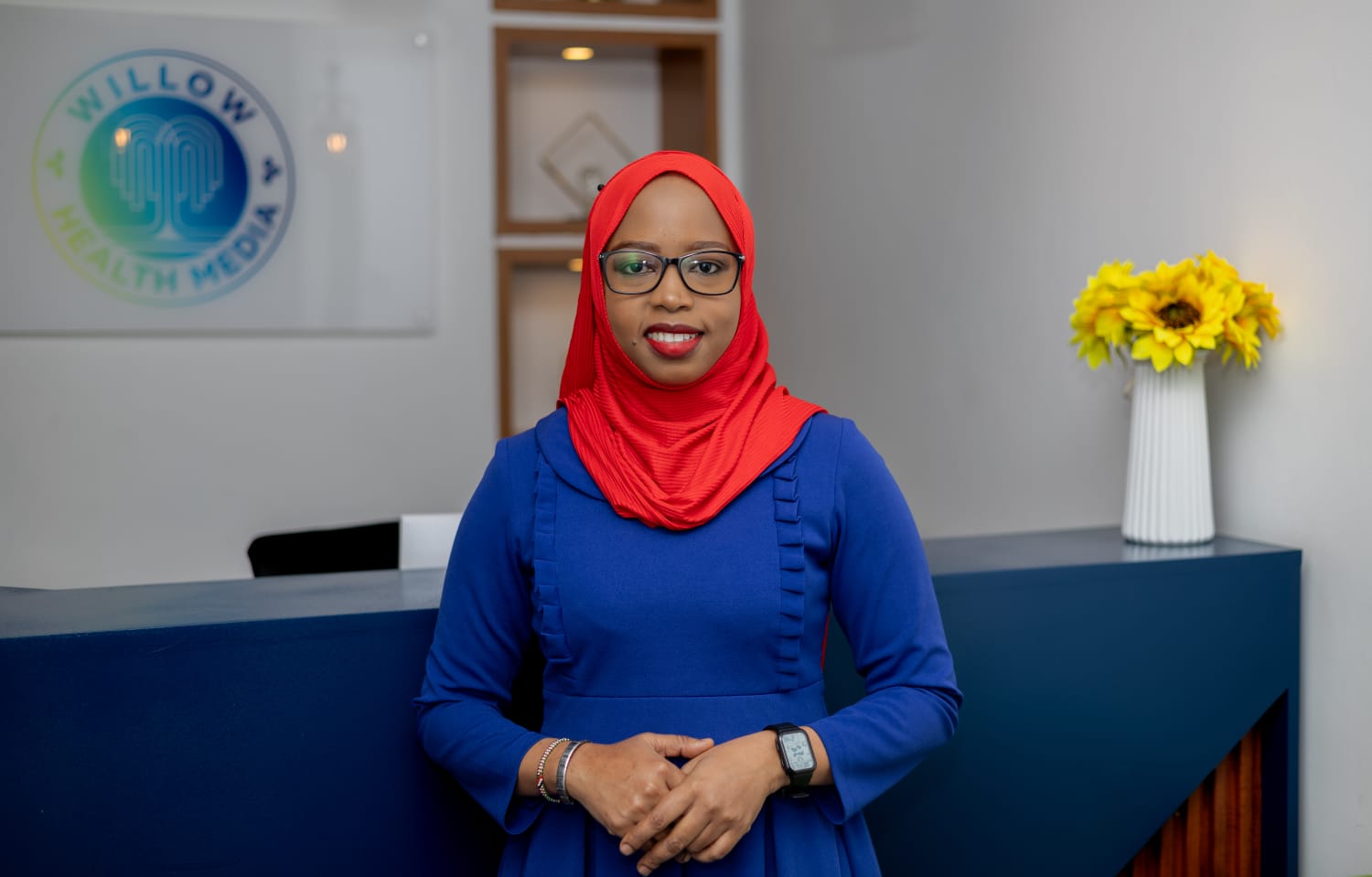
For Dr Mercy Korir, CEO and Editor-in-Chief of Willow Health Media, journalism is not merely a profession; it is a public health infrastructure. “Health is an enabler of development,” she said while speaking at the Unlocking Africa Podcast hosted by Terser Adamu. “When communities are not healthy, you don’t have a productive society.”
In her view, journalism amplifies credible information, translating complex policy and science into accessible language, and supporting healthier decision-making.
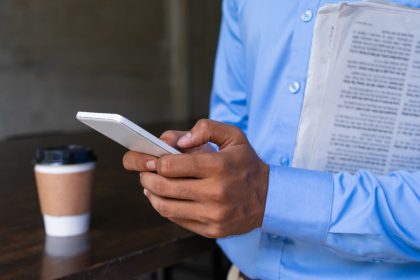
According to the Reuters Institute Digital News Report 2025, TikTok is the primary source of false and misleading information in Kenya, where 55 per cent of respondents identified it as such. Yet reliance on TikTok for news has surged from 29 per cent in 2023 to 38 per cent in 2025, making Kenya one of the world’s leading consumers of news on TikTok.
This paradox-high consumption of news on a platform widely perceived as a misinformation hotspot-underscores the scale of the challenge facing health journalists.
COVID-19 pandemic in 2020 revealed both the power and vulnerability of the information ecosystem
More than half of Kenyan respondents in the Reuters survey said they were concerned about their ability to distinguish what is true from what is false online, a level of anxiety mirrored across much of Africa.

The COVID-19 pandemic in 2020 revealed both the power and vulnerability of the information ecosystem. “How else did we know what was happening in different parts of the world?” Dr Korir asks.
Journalism became one of the primary ways people understood what was happening, where outbreaks were occurring, what symptoms to look out for, and later, how vaccines worked “Because there was information sharing,” says Dr Korir, “And journalists played a critical role in translating what was happening globally into language people could understand and contextualising it to local realities.”
But COVID-19 also unleashed an unprecedented wave of misinformation about the origins of the virus, the effectiveness of public-health measures, and the safety of vaccines.
A 2024 scoping review of global studies published in the Journal of Medical Internet Research found that COVID-19 misinformation significantly affected mental health, increased vaccine hesitancy, and distorted health-care decision-making. False beliefs were not abstract ideas; they shaped behaviour, sometimes with fatal consequences.
Misinformation does not just misinform; it alters course of disease transmission
A 2024 research paper using mathematical modelling shows that misinformation can directly reduce vaccination uptake, especially in closely connected or homogeneous communities where false claims are amplified rather than challenged. In such settings, misinformation does not just misinform; it actively alters the course of disease transmission.
For Dr Korir, this confusion makes the role of credible, specialised health journalism more urgent than ever. In an era where “everyone with a smartphone says anything and everything,” authority and trust are no longer guaranteed by visibility alone.
“Health journalism cannot just be someone reporting on health,” she explains. “It has to be journalists grounded in proper health knowledge, with a track record, who are authentic and believable to their audiences.”
Willow Health Media’s approach reflects this philosophy. Rather than trying to compete with the noise of the digital space, the organisation focuses on consistency, audience trust, and strategic tailoring of content.
Different platforms attract different audiences, and the same story may be framed differently on TikTok, WhatsApp, Facebook, or LinkedIn, without compromising accuracy. Behind the scenes, digital teams analyse audience behaviour daily, using data to ensure content remains relevant and useful.
Traditional journalism conditions reporters to prioritise crisis and catastrophe
This “usefulness” is a crucial concept. In a crowded information environment, audiences return to sources they trust to verify claims and make sense of uncertainty. “We have loyal audiences who know that when something happens, this is the place you come to confirm if it is true,” Dr Korir says. That loyalty, built over time, is one of the most powerful antidotes to misinformation.

Yet journalism alone cannot solve the problem. Dr Korir argues that training itself must evolve. Traditional journalism education, often guided by the mantra “if it bleeds, it leads,” conditions reporters to prioritise crisis and catastrophe. While such stories attract attention, they can also overwhelm audiences and erode hope, particularly in contexts already shaped by inequality and hardship.
As African storytellers, Korir believes journalists must deliberately seek out stories of resilience, innovation, and progress, without abandoning critical scrutiny. According to Dr Korir, while negative stories may generate quick clicks, positive and solutions-oriented stories have a longer life. Audiences return to them, share them, and engage more deeply.
In health journalism, this matters: stories that highlight successful interventions, community resilience, or locally driven solutions can counter fatalism and empower audiences to act.
At some point, even policymakers go back to being ordinary people
Misinformation thrives where trust is weak and voices are disconnected. This is particularly evident in the relationship between policymakers and the public.

According to Korir, decisions are often shaped by whoever has access to power, rather than by the lived experiences of everyday people. “At some point, even policymakers go back to being ordinary people,” she notes.
Journalism, especially health journalism, can serve as a bridge, creating platforms where public concerns, especially those of the most vulnerable, are heard and reflected in decision-making.
Global health bodies recognise the scale of the threat. The Africa Infodemic Response Alliance, hosted by the World Health Organisation (WHO), continues to track thousands of misleading posts across social media platforms, many related to disease outbreaks and vaccine rollouts.
Their work reinforces what researchers have already shown: health misinformation is not confined to fringe spaces; it flows seamlessly through both social and traditional media.
There is growing space for African narratives told by Africans, for Africans
Looking ahead, Dr Korir is cautiously optimistic. She believes the future of health journalism in Africa is bright, provided it remains grounded in subject matter expertise.

As global attention turns inward and international media focus on domestic issues, there is growing space for African narratives told by Africans, for Africans. With the continent’s young population and expanding digital reach, those narratives will shape not only perceptions but health outcomes.
“The stakes could not be higher. When future generations look back, through archives, stories and records, what will they find? A continent defined solely by crisis and confusion? Or one that struggled, adapted, innovated, and told its own story with clarity and truth?”
In the fight against misinformation, health journalism is not a side act. It is a frontline defence, one that demands credibility, context, and care. In Kenya and across Africa, strengthening that defence may be as critical to public health as any vaccine or treatment.
Stripped down:
- Problem: Health misinformation reduces public trust, vaccination rates, and impacts health decisions.
- Major source: TikTok is the leading platform for spreading false and misleading health information in Kenya.
- Impact: Misinformation directly lowers vaccination uptake and negatively affects mental health.
- Solution: Credible health journalism is vital for accurately translating science, debunking falsehoods, and supporting informed public choices.
- Key needs: Combating this “information disorder” requires greater media expertise, rigorous fact-checking, and building stronger audience trust.
Sources: Journal of Medical Internet Research/ Reuters Institute Digital News Report 2025/ The Africa Infodemic Response Alliance










Health misinformation is one of the most urgent challenges of our time, particularly in regions where public health systems are already under pressure. As Dr. Mercy Korir highlights, health journalism plays a vital role in bridging the gap between complex scientific information and the communities that rely on it. By translating research and policy into accessible, actionable guidance, credible journalism empowers individuals to make informed health decisions. Strengthening this kind of reporting is not just about sharing information—it is a fundamental public health intervention that can directly influence outcomes and societal wellbeing.