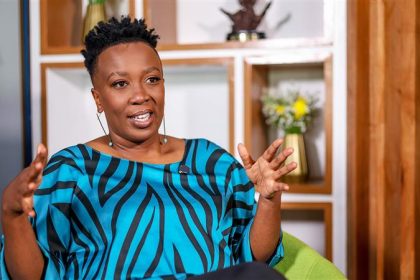
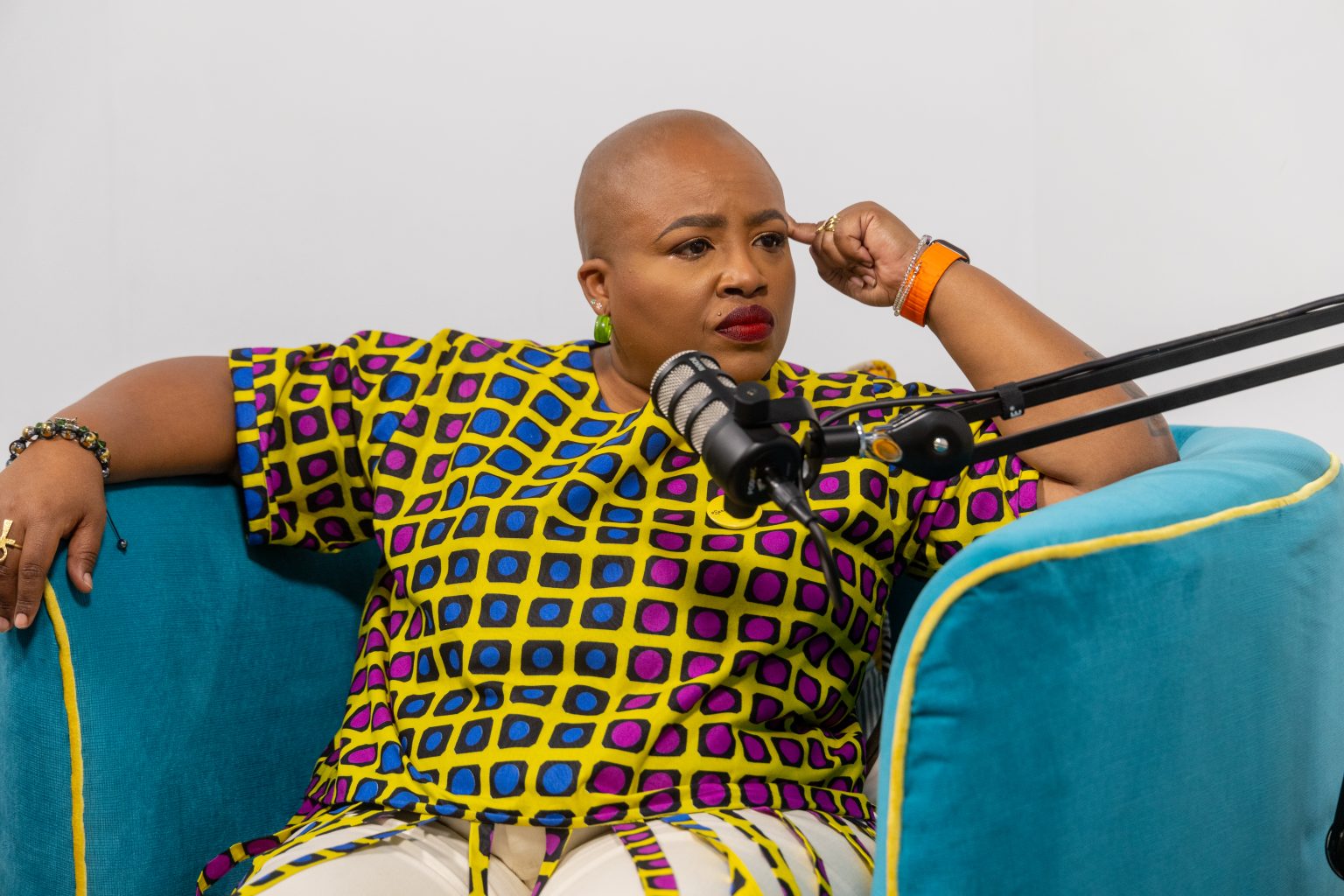

At 40, endometriosis had already stolen her ovaries, her fertility, and nearly her sense of self-worth, but Elsie Wandera now Co-chairs World Endometriosis Organisations (WEO) besides founding Endometriosis Foundation of Kenya. She spoke to Dr Mercy Korir in Lifeline Dialogues
Elsie Wandera was 36 when the first hot flash hit. She dismissed it as Nairobi heat or stress. Her body had been warning her for years through debilitating menstrual pain, the type society teaches women to endure in silence. But now, it was signalling something different. “I was like, ‘this is the end of my life’,” she says. “I am officially in the mumama category.”
At 40, she was diagnosed with perimenopause. By then, endometriosis had already stolen her ovaries, her fertility, and nearly her sense of self-worth.
Her battle began in adolescence. Every month brought excruciating pain, but she was always told to persevere. “On average, diagnosis of endometriosis takes seven to eight years,” she notes. In those years, the disease progresses quietly and aggressively. “I thought an essence of my womanhood had been robbed,” she says. “Did I choose not to have children? Was that my decision? Absolutely not. Somebody made the decision for you.”
Her first surgery came at 26. No doctor mentioned egg freezing. By the time anyone raised the possibility, her ovaries were ravaged. There were no eggs left to save.
At 33, Elsie was told she would be on fertility treatment for the rest of her life to manage her endometriosis. “Doctors look at me and see the disease. They do not see the person,” she says. “Patients feel dismissed because they are not being listened to.”
Elsie found herself confronting endometriosis, infertility, early menopause
“What was I feeling? Hopeless, useless, irrelevant,” she recalls of her perimenopause diagnosis. Shame crept in because in many African societies, a woman’s worth is still tied to her ability to bear children. Elsie found herself confronting several deeply stigmatised realities: endometriosis, infertility, and early menopause. Her marriage was collapsing under the pressure.
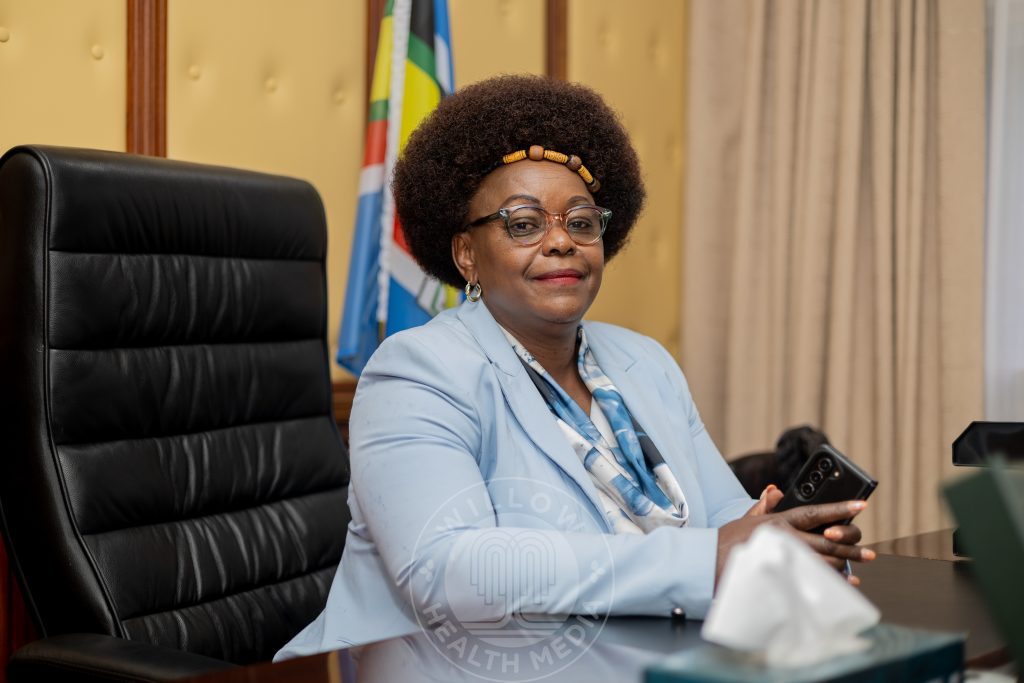
“We live in an African context that objectifies women,” she says plainly. “Our value is linked to childbearing. So, if you say you have endometriosis, immediately there is a link to infertility. Are you worth marrying? Would I ever be valued? Would anyone choose me again? Would I be worthy of love if I could not conceive?” she asked.
There was another shadow she had carried for years: the pregnancy she terminated at 16. Her mother made the decision for both of them, trying to protect their future and their dignity. “If I had that child, would I have experienced motherhood?” she wonders. “The regret exists, but so does the understanding that it was the right decision at that time.” She credits healing to the difficult conversations she and her mother later had, confronting pain instead of burying it.
Unlike many women, Elsie had the support of a family that believed her. “If you are not believed at home, where else will you be believed?” Elsie asks. “We are already fighting society. Your loved ones need to believe you so you can gather strength to face the world.”
After years of feeling ignored in medical spaces, one doctor changed the course of her life. Her current gynaecologist, also an adviser to the foundation, was the first to view her beyond the disease.
Her gynaecologist recommended pain specialists, psychologists, psychiatrists, nutritionists
He recommended a multidisciplinary team: pain specialists, psychologists, psychiatrists, nutritionists, and peer support. He treated her mental health as part of her medical care. He listened. “He kept saying, if anything feels too heavy, speak up,” Elsie recalls. “We are socialised not to question doctors. Yet it is your body, your right.”
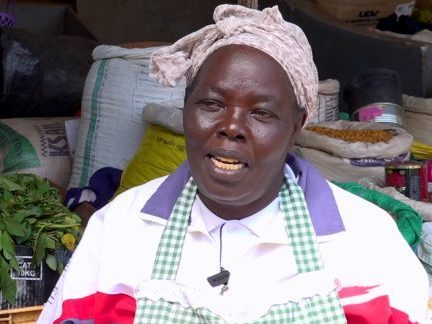
With proper treatment-talk therapy, depression medication, hormone replacement therapy, and holistic support-Elsie began to recover.
In the darkest moments, something shifted. If she was struggling with a lack of information and support, how many other women were suffering in silence? The Endometriosis Foundation of Kenya emerged from this realisation.
What began as one woman’s refusal to be alone in pain has grown into a community that offers what the healthcare system often does not: peer support groups, awareness campaigns, access to trained specialists, and the ‘Endo Buddy’ programme that connects women in the same region.
“When a patient walks out of a doctor’s room with devastating news, where does she go?” Elsie asks. “She can join a support group. If she has not found the right doctor yet, we help her find one.” Elsie says there are women alive today because the foundation gave them hope.
Her influence has reshaped how global research is done from patient perspectives
In May 2025, Elsie presented a research poster at the World Endometriosis Congress in Sydney, Australia. She became the first African patient advocate to present at that global stage. Two years earlier, at her first Congress, she raised a question that made the room shift: “All the presentations are from the Global North. Where is Africa?”

That bold challenge led to her appointment as Co-Chair of the World Endometriosis Organisation. “The honour is in representing the millions who cannot speak up,” she says.
Her influence has helped reshape how global research is done because patient perspectives are no longer an afterthought. “There is no research that should happen without patient representation,” she says. “Our lived experience is insight, not data points.”
The world once believed endometriosis was a “white woman’s disease.” Black and African women were told they had higher pain tolerance, that they were exaggerating, that they should toughen up. The result is a dangerous data gap. “Silence means we are not documented. We are not represented. We miss out on innovation and new treatment,” Elsie warns.
If you have endometriosis, someone in your family probably has it too
African-led research remains scarce. A recent 2.5-billion-dollar investment in women’s health by the Gates Foundation includes endometriosis research. Elsie wants that money to reach Africa. She calls for proper centres of care, trained frontline workers, and sexual reproductive health education integrated into community programmes.
“African women spend 25 per cent of our lives in poor health,” she says. “What does that mean for productivity? For families? When a woman is unwell, the whole family is unwell.”
“I am more than motherhood,” she says quietly but firmly. “I have proximity to motherhood through my nieces and nephews. My friends include me in their parenting. My life still has meaning.” Her nieces call her “auntie mum.” They are her source of joy and purpose.
“If you have endometriosis, someone in your family probably has it too,” she says. “That is what I work towards: early diagnosis, proper care, informed choices, and belief.” Elsie Wandera walked through fire and emerged determined to ensure no woman burns quietly again.