
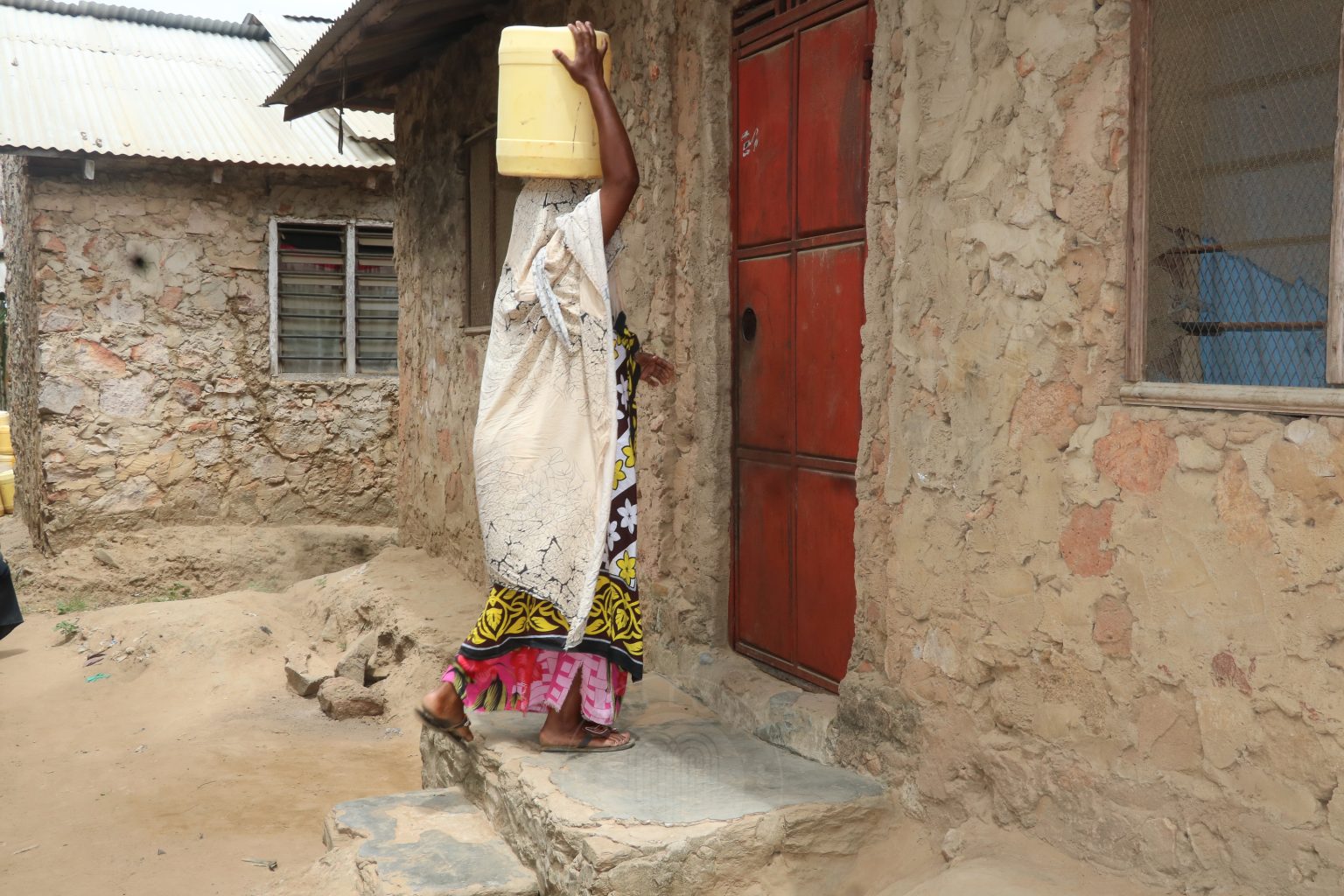

In Kilifi County, closer boreholes and health facilities could prevent climate-related home deliveries and other pregnancy-related complications.
Maria Nzaywa’s sixth pregnancy was nothing like the five before it. The mother of six from Kilifi County, who gave birth to her last-born in October last year, describes frequent cramps and a constant feeling of heaviness that “I had never experienced before.”
She would later understand how the world around her had changed.
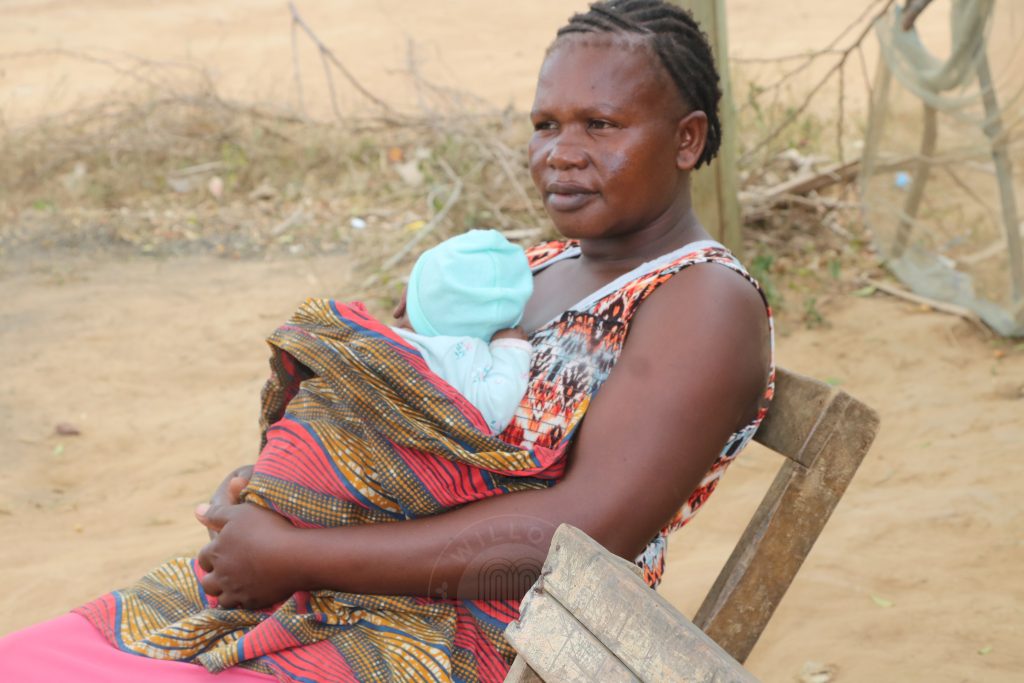
Her household depends on a borehole that runs dry seasonally. When it did, she relied on her older children to fetch water several kilometres away, or paid someone, when she had the money, which, as a small-scale trader, was not always the case.
The nearest hospital is about an hour’s walk from her home. During the rains, a seasonal stream near her house flooded and cut off her usual route entirely. To reach her antenatal clinic, she had no choice but to travel by motorcycle, on credit. “The motorcycle rider is someone I know,” she says. “I had to owe him.”
Maria’s experience -navigating pregnancy across a landscape reshaped by heat, drought and flooding – is not unusual in Kilifi County. It is becoming the norm.
Climate change comes with myriad challenges for pregnant women, and Husna Umazi Mcharo, from Bejana village in Rabai, has noticed changes that go beyond the inconvenience of flooded roads. “The heat is too much,” she says. “Getting water is a challenge.”
She has witnessed neighbours missing clinics after floods made travel impossible
Temperatures feel significantly higher than during her previous pregnancies. She tries to cope by drinking more water, as her antenatal team advised.
Mcharo has witnessed neighbours missing clinics after floods made travel impossible, while during the dry season, it is the heat and the water scarcity doing the same work. She hopes the government will build a borehole closer to Bejana village and put in place measures to help communities store water during the rainy season, especially those who cannot afford large storage tanks.
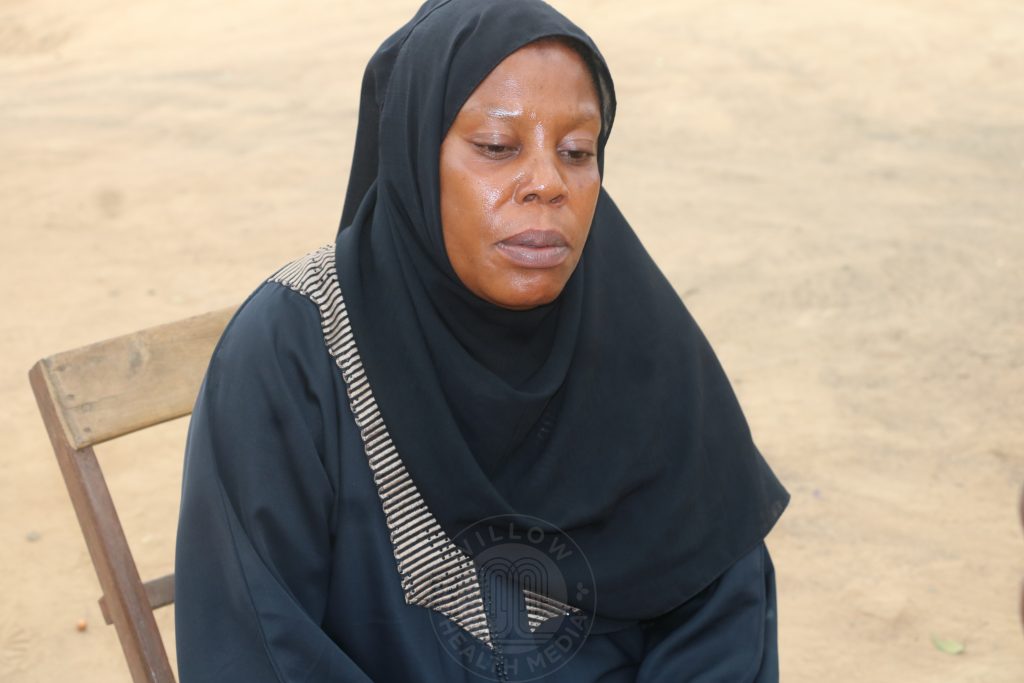
Mwanajuma Mohammed, a community health promoter with over 13 years of experience who supports between three and five pregnant or postpartum women each month, says she receives emergency calls at night from women in labour whose communities have been cut off by floods.
“Sometimes it is very hard to reach the hospital,” she says. “Motorcycles may refuse to come because the area is flooded or the roads are too slippery.”
A journey that normally takes 15 minutes by motorcycle can stretch to over an hour as riders take longer detours through flooded terrain. Cars are beyond the reach of most families – taxis charge between Ksh2,000 and Ksh3,000. “Even though it’s risky, motorcycles are the only option,” Mwanajuma says.
Kilifi is among 13 counties with the highest number of maternal deaths in the country
These are not isolated hardships. They are the local face of a global crisis whose effects on pregnant women have, until recently, received far too little attention.
Kenya’s maternal mortality ratio stands at 355 deaths per 100,000 live births, according to the Ministry of Health, translating to nearly 5,000 preventable deaths a year, according to UNFPA Kenya. Kilifi is among the 13 counties that record the highest number of maternal deaths in the country. Health officials here say climate change is now a measurable driver of that toll.

Kenneth Miriti, the Kilifi County Coordinator for Reproductive Health, singles out anaemia and heat-related complications as the biggest threats.
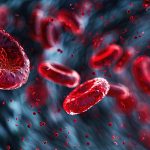
“We are seeing an increase in cases of anaemia, with haemoglobin levels falling below 11 millilitres per decilitre, which is the cut-off point,” he says. Haemoglobin determines the blood’s capacity to carry oxygen throughout the body. Anaemia in pregnancy raises the risk of haemorrhage during delivery, impairs foetal development, and increases the likelihood of maternal death.
Miriti links the rise directly to prolonged drought. “The ripple effects of anaemia during pregnancy are very wide.”
Rising temperatures compound the danger. High heat overwhelms the body’s ability to regulate temperature during pregnancy, causing dehydration and hormonal disruption that can impair placental function.
In some cases, the increased temperatures have led to mid-trimester miscarriages
A major 2024 study published in Nature Medicine looked at data from 66 countries. It found that heat waves increase the risk of early birth by 26 per cent. The risk of stillbirth was also 46 per cent higher on very hot days compared to cooler ones.
In Kilifi, Miriti says the consequences are already being seen. “We suspect that in some cases, the increased temperatures have led to mid-trimester miscarriages.”
A 2024 study in the Journal of Water and Health found that climate change poses a significant danger to maternal health in Africa, with extreme heat and flooding worsening outcomes, including preterm birth, stillbirth, and maternal hypertension.
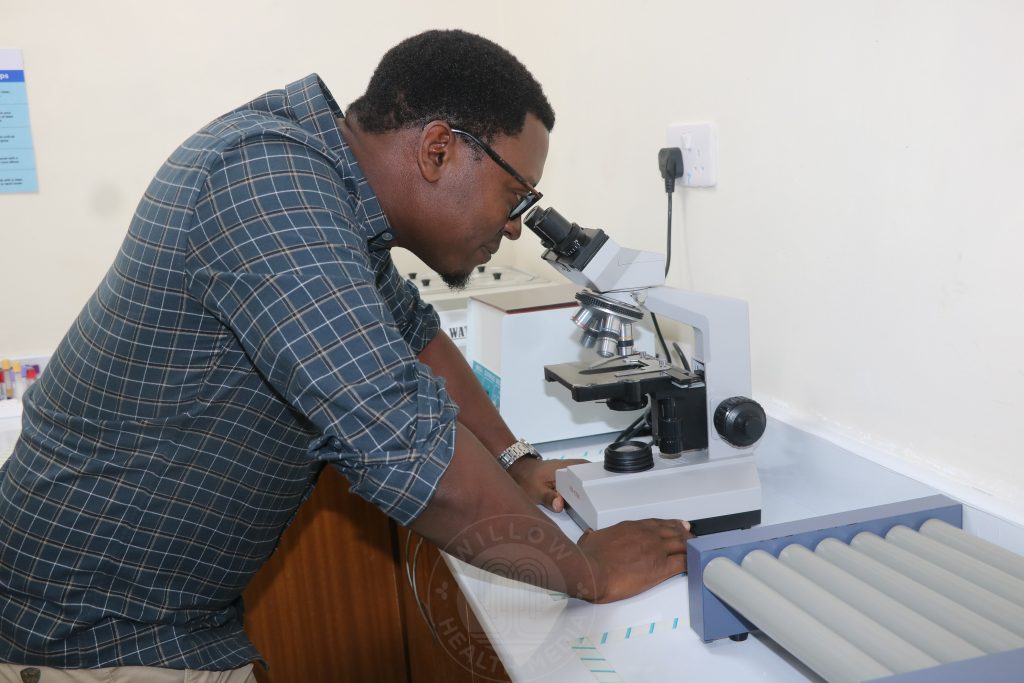
Dr Rigga Hamadi, an obstetrician and gynaecologist based in Mombasa, says the coastal geography makes the region particularly exposed. “There is data showing that in hot climates, the incidence of pre-eclampsia and eclampsia is higher,” he explains. “Given that coastal regions like Mombasa and Kilifi are hot throughout the year, the linkage is there.”
Pre-eclampsia – characterised by dangerously high blood pressure during pregnancy – exists on a continuum, Dr Hamadi explains. Without proper management, even mild cases can deteriorate rapidly.
A 2012 study in the Journal of Women’s Health Care found that pre-eclampsia peaked at the start of rainy and cold seasons.
The disruption to healthcare access cuts across both seasons, and the consequences show up in the data.
Women end up giving birth at home, raising the risk of complications for both mother and child
Beauty Kasayo Mumba, a community health worker at Rabai Sub-county Hospital, says the pattern repeats itself every year. “From April to June, I have seen women not coming to clinics regularly. That is the rainy season.” Some villages are completely surrounded by seasonal rivers. When it rains heavily, they are cut off entirely. Women end up giving birth at home, raising the risk of complications for both mother and child.
The 2022 Kenya Demographic and Health Survey shows that over one-third of pregnant women nationwide do not complete the four recommended antenatal visits, a gap health workers say is wider still in flood-prone counties like Kilifi.
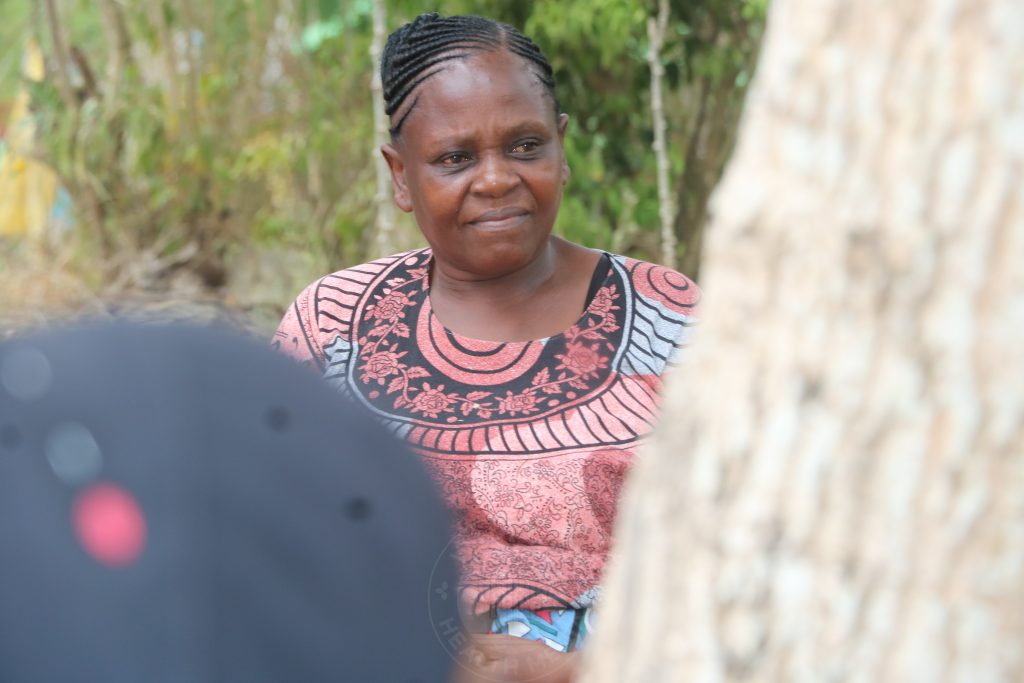
Mariam Ndune, a traditional birth attendant with over 40 years of experience, no longer conducts home deliveries. She now refers all pregnant women to health facilities, aware that complications she cannot manage may arise. “The baby may not be in a good position, and complications can arise,” she says. “That’s why we tell women to go to the hospital.”
But when a flooded river makes going to the hospital impossible, she is sometimes left with no choice. She recalls the case of a woman who went into labour and could not cross a flooded seasonal river after heavy rains. “We helped the mother deliver, and only after the rain stopped could she be taken to the hospital.” Ndune now advises every pregnant woman to store water during the rainy season so that they are not caught unprepared when labour begins unexpectedly.
Miriti says displacement from flooding adds a further layer of danger. In Magarini, rivers upstream regularly sweep through households, forcing families from their homes, some of whom are already pregnant.
About 1.6 million people were displaced by climate-induced floods, with the disaster destroying health facilities in 2023
“They are not safe in the places they go to stay as internally displaced persons,” he says. Women and children are the most affected, he adds, noting that water scarcity has also become critical across Magarini, Ganze, and parts of Kaloleni, forcing pregnant women to walk long distances just to find water.
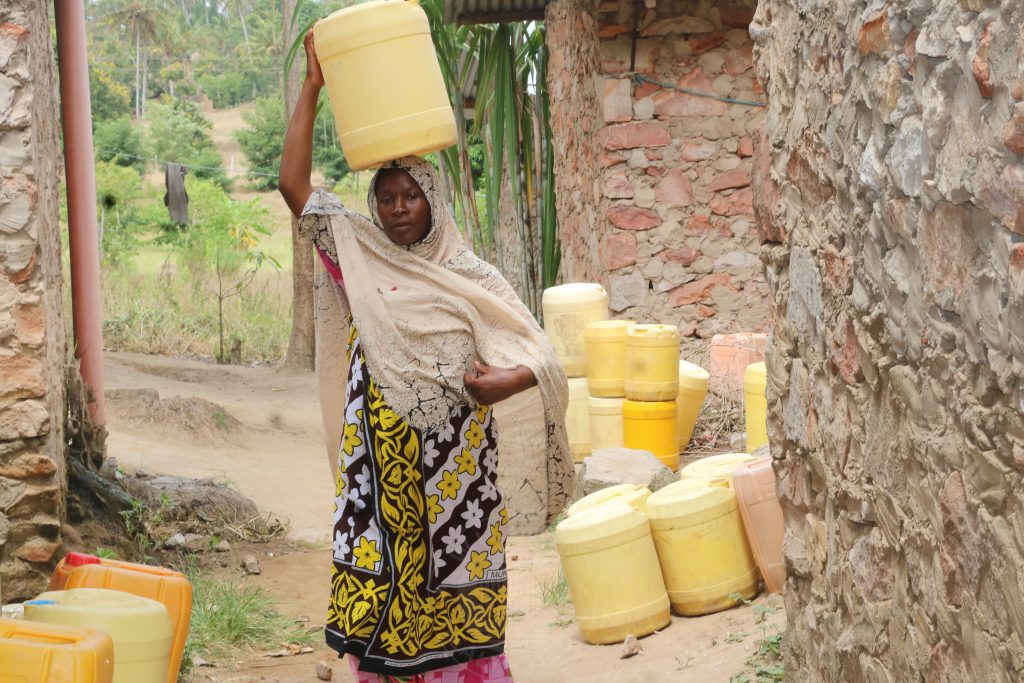
According to Action Against Hunger, about 1.6 million people were displaced by climate-induced floods across the Horn of Africa in 2023, with the disaster also destroying health facilities and other critical infrastructure.
In response, Kilifi County has begun training healthcare providers to manage pregnant women during climate-related disasters. “We are implementing what we call a ‘MIS (Minimum Initial Service) package,'” Miriti says. Community health promoters like Mwanajuma advise women to position themselves closer to health facilities as they approach the final weeks of pregnancy.
But the scale of the challenge is outpacing the response. Despite climate change being widely recognised as a global emergency, its specific effects on maternal health have attracted far less policy attention than the threat demands, leaving communities, including expectant mothers, without adequate information about the risks it poses to pregnancy.