



The commonest complication during fasting is low blood sugar, characterised by trembling, sweating, palpitations, hunger, dizziness, confusion and, in severe cases, loss of consciousness or coma, particularly among Type 1 diabetes.
Fasting during Ramadhan is obligatory for all healthy Muslim adults and adolescents as one of Islam’s five pillars. Daily food intake is limited to two meals: suhur before dawn and iftar at sunset.
Although Islam exempts the ill, pregnant women and travellers from fasting, many choose to observe Ramadhan anyway. For believers with diabetes, the spiritual duty to fast often outweighs the medical exemption.

This comes as diabetes escalates into a global health emergency. The International Diabetes Federation (IDF) reports that 537 million adults, or 10.5 per cent of the world’s population, were living with diabetes by 2021. The figure is projected to reach 783 million by 2045. Global costs are expected to exceed US$1 trillion (Ksh129 trillion).
Nearly half of all people with diabetes do not know they have it. The highest rates of undiagnosed cases are in low- and middle-income countries, especially Africa, the Western Pacific and Southeast Asia. Late diagnosis increases the risk of kidney failure, blindness and heart disease.
Of the world’s 1.9 billion Muslims, nearly 25 per cent of the global population, about 150 million adults live with diabetes, according to the Diabetes and Ramadhan (DAR) 2020 Global Survey. This makes Ramadhan fasting a major public health concern.
Our role is to respect religious beliefs while reducing medical risks
Dr Rilwan Adan, Head of the Diabetes Care Centre at Lions SightFirst Eye Hospital and Vice President of the Kenya Diabetes Study Group, says about 8.8 per cent of Muslims worldwide live with diabetes, the vast majority having Type 2 diabetes.

Speaking during a webinar titled, Managing Diabetes Safely During Fasting, organised by Kenya Medical Association (KMA) and hosted by Dr Brian Machuma on February 12, 2026, Dr Adan explained: “Religion and personal choice carry a lot of weight. Even when patients are advised not to fast, many insist. Our role is to respect their beliefs while reducing medical risks as much as possible.”
The survey indicates that up to 79 per cent of Muslims with diabetes fast for at least 15 days during Ramadhan.
Fasting significantly increases the risk of both low and high blood sugar levels.
The most common complication is hypoglycaemia, or low blood sugar. Symptoms include trembling or sweating, palpitations, hunger, dizziness, confusion and, in severe cases, loss of consciousness or coma. This is particularly common among people with Type 1 diabetes and those using insulin or sulfonylurea drugs.
At the other end is hyperglycaemia, or high blood sugar, which often occurs after iftar, especially when meals are heavy in refined carbohydrates, sugary drinks and fried foods.
Many patents report bloating, hyperacidity, excessive thirst and fatigue
“Many patients experience large spikes in blood sugar after iftar,” says Dr Adan. “They report bloating, hyperacidity, excessive thirst and fatigue. These symptoms are linked to both dehydration and the high glucose load from meals.”

In serious cases, dehydration and high sugar levels can lead to diabetic ketoacidosis, a life-threatening condition that occurs when the body lacks sufficient insulin and begins to break down fat rapidly, producing harmful acids called ketones.
The risks are greater in low- and middle-income countries, where access to glucose monitoring devices, insulin and diabetes education remains limited. Nearly 80 per cent of people with diabetes live in these countries. Africa, despite currently having the lowest regional prevalence at 4.5 per cent, is projected to experience a 129 per cent rise by 2045, resulting in about 55 million people living with diabetes.
North Africa and the Middle East already record some of the highest diabetes rates globally, with prevalence exceeding 39 per cent in some settings.
High-risk diabetics are strongly advised not to fast
Experts advise diabetics to see a doctor at least eight weeks before Ramadhan, where they are placed into three groups: low risk (can fast with routine advice), moderate risk (may fast but need close monitoring), and high risk (strongly advised not to fast).

“Risk stratification helps us personalise care,” explains Dr Adan. “We no longer use a one-size-fits-all approach. Instead, we assess the type of diabetes, duration of illness, treatment, past complications and the patient’s ability to monitor their blood sugar.”
Updated guidelines emphasise that education should be provided even to patients who choose not to fast, so that modifiable risk factors such as diet, hydration and medication timing can still be addressed.
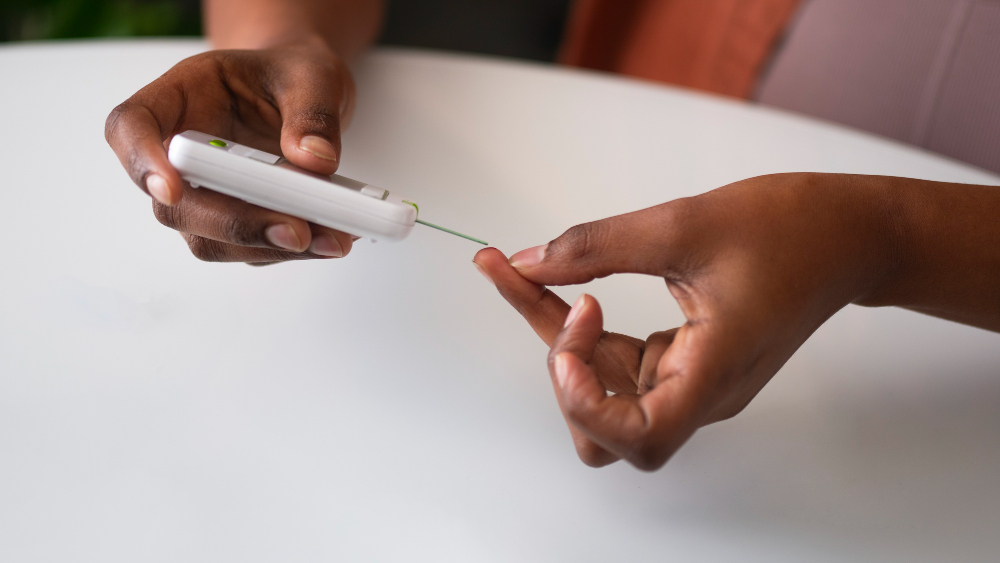
Regular blood glucose monitoring is one of the most critical safety measures during fasting. Testing blood sugar does not break the fast.
For patients on insulin, doctors recommend checking glucose levels before suhur, mid-morning, midday, mid-afternoon, just before iftar, and two hours after iftar.
In risky situations, breaking the fast is a medical and religious necessity
“For those who cannot afford frequent testing, the most important reading is the one taken before iftar,” says Dr Adan. “It tells us whether the patient is approaching dangerously low sugar levels.”

Breaking the fast is medically necessary if blood sugar falls to 3.9 mmol/L (70 mg/dL) or lower, rises above 16.7 mmol/L (300 mg/dL), symptoms of hypoglycaemia appear, or signs of diabetic ketoacidosis (DKA) develop.
“Fasting should never continue at the expense of safety,” Dr Adan emphasises. “In such situations, breaking the fast is a medical and religious necessity.”
Diet plays a central role in safe fasting. Dr Adan recommends a gradual approach to breaking the fast.
At iftar, begin with water and one or two small dates, followed by soup, vegetables or lentils, then a balanced main meal with vegetables, protein and whole grains. Patients should avoid sugary drinks and blended fruit juices, limit fried foods and refined starches, reduce salt and caffeine intake, and eat slowly with controlled portions.
If a sweet dish is expected, reduce starchy portion of the main meal
One key principle is carbohydrate substitution rather than accumulation. If a sweet dish is expected, the starchy portion of the main meal should be reduced.

At suhur, choose high-fibre carbohydrates such as whole grains, include adequate protein and healthy fats, and avoid salty and highly processed foods.
“Protein improves satiety, and fibre slows glucose absorption,” Dr Adan explains. “This helps prevent sharp sugar spikes and supports stable levels throughout the fasting day.”
Hydration between sunset and dawn is equally vital. Patients should drink water regularly and avoid excessive tea or coffee, which can worsen dehydration.
Strenuous exercise should be avoided in the late afternoon, when dehydration and hypoglycaemia risks are highest. However, the nightly Taraweeh prayers provide moderate physical activity. A study published by Bioscientifica found that incorporating the prayers into daily activity was associated with better blood sugar balance and modest weight loss among people with diabetes by the end of Ramadhan.
Two diabetes patients on same drug may need different dose adjustments
Some diabetes medications generally do not require major changes during Ramadhan, including metformin, DPP-4 inhibitors, SGLT2 inhibitors and GLP-1 receptor agonists.

Drugs that increase the risk of low blood sugar, such as insulin and sulfonylureas, require careful adjustment. Older sulfonylureas like glibenclamide are discouraged because they cause prolonged hypoglycaemia. Newer options such as gliclazide modified release or glimepiride are preferred.
“Treatment during Ramadhan is highly personalised,” says Dr Adan. “Two patients on the same drug may need completely different dose adjustments.”
Post-Ramadhan follow-up is important for doctors to assess overall glucose control
Doctors encourage patients to attempt trial fasts during the month of Sha’ban, which precedes Ramadhan. These supervised sessions help identify frequent hypoglycaemia, excessive sugar spikes, poor meal planning and inadequate hydration.

Post-Ramadhan follow-up is equally important. Doctors assess overall glucose control, any complications that occurred, whether fasting was tolerated safely, and what changes are needed for future years.
“We must respect personal choice while addressing modifiable risks,” says Dr Adan. “Education, monitoring, diet, hydration and medication adjustments all work together to support safe fasting.”
Fasting should never come at the cost of severe hypoglycaemia, dehydration
With proper medical assessment, education, blood sugar monitoring, nutrition planning and medication adjustment, many people with diabetes can fast safely during Ramadhan.

However, fasting should never come at the cost of severe hypoglycaemia, dehydration or life-threatening complications. Breaking the fast for medical reasons is not a failure of faith; it is a safeguard of life.
As Ramadhan 2026 approaches, people living with diabetes are urged to seek medical advice early, plan carefully and remember that protecting health is itself an act of responsibility and devotion.