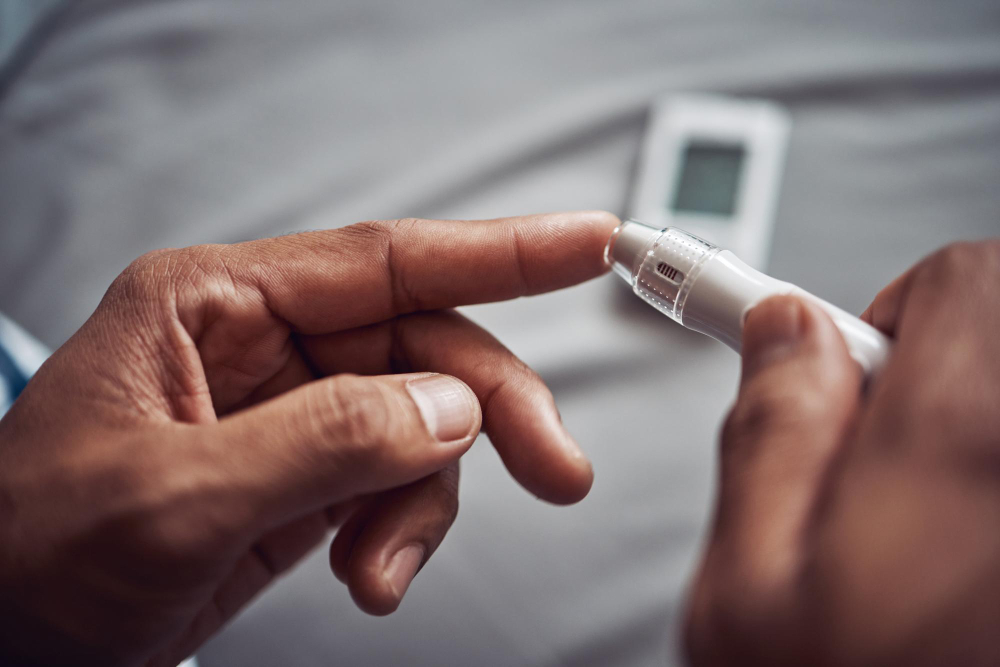

Diabetes is emerging as a major health priority, with over 800,000 adults living with the condition in Kenya, where many primary healthcare centres suffer from limited capacity for routine screening.
Globally, about 50 per cent of people with diabetes remain undiagnosed, making screening particularly critical in resource-limited settings, according to the International Diabetes Federation (IDF).
In Kenya, diabetes is emerging as a major health priority, with an estimated 813,000 adults living with the condition, roughly 3.1 per cent of the adult population, notes IDF. Many remain undiagnosed or receive care too late, but that can change through early testing and integrated, life-stage-based care.
Across East Africa, health systems are evolving from limited screening and episodic treatment to more comprehensive primary care. Kenya’s Ministry of Health (MoH) has already begun integrating non-communicable disease (NCD) management into community-level services and improving access to affordable medicines. The adoption of the Kenya Nutrient Profile Model is another major milestone, helping guide healthier food policies and reduce diet-related disease risk.
There has been progress indeed, but as global funding priorities shift, Kenya must continue to lead the region in building healthier communities across all life stages. With strategic investment in early diagnosis and prevention, it can be done.
Many primary healthcare centres remain overextended, with limited capacity for routine screening
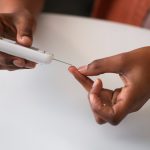
A simple blood-glucose test remains the most effective first line of defence. Once diagnosed, patients can take control of their health through ongoing Blood Glucose Monitoring (BGM) – knowing their numbers, seeking care promptly and managing their condition with confidence.
However, in Kenya and many other African countries, the main barrier to better care for people with diabetes is not technology but access. Many primary healthcare centres remain overextended, with limited capacity for routine screening. Expanding blood-glucose testing into communities, workplaces and pharmacies can close that gap and bring prevention closer to home.
Progress depends on collaboration. Governments, private organisations, insurers and development partners are increasingly co-creating funding models that expand screening networks and sustain national NCD programmes. By combining public-sector reach with private-sector innovation, these partnerships make diagnostic access more equitable and more consistent across counties.
These collaborative models are essential as international health funding becomes more uncertain. Building locally anchored partnerships ensures that screening, diagnosis and education continue to reach people who need them most.
If you’re reading this, get tested, know your status and encourage others to do the same
In 2022, WHO Member States endorsed five global diabetes coverage targets to be achieved by 2030:
- 80 per cent of people with diabetes are diagnosed
- 80 per cent of those diagnosed have reasonable control of glycaemia
- 80 per cent of those diagnosed have reasonable control of blood pressure
- 60 per cent of people with diabetes aged 40 or older receive statins
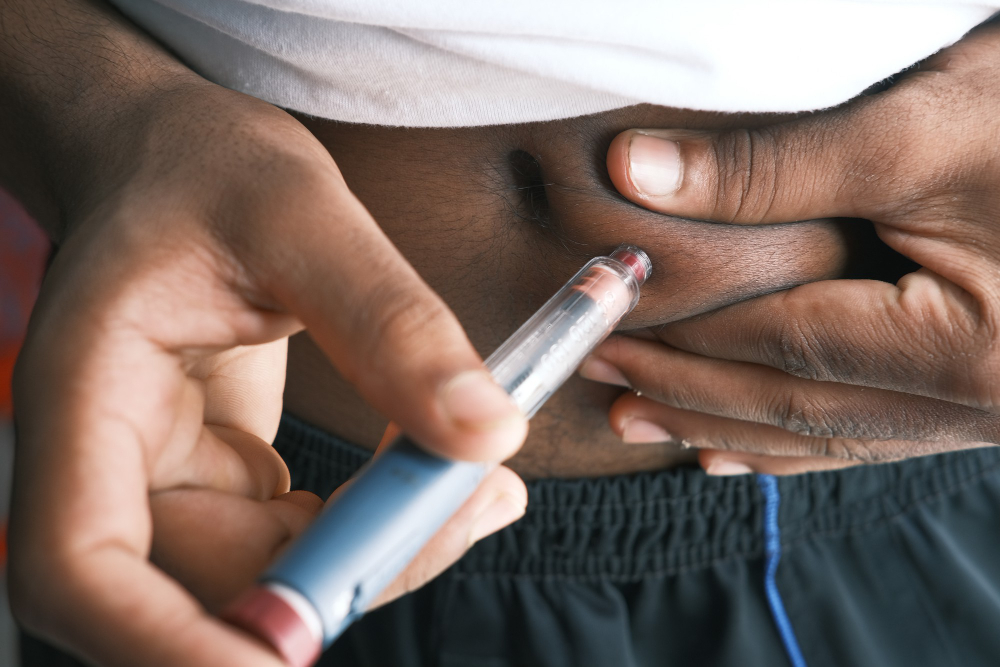
- 100 per cent of people with type 1 diabetes have access to affordable insulin and blood-glucose self-monitoring
These goals set a strong direction. By strengthening primary-care screening, promoting healthy living and expanding partnerships, Kenya can move from awareness to sustained action.
For now, let’s start small. If you’re reading this, get tested, know your status and encourage others to do the same. Every early diagnosis is a life lived with possibility, not limitation.
Taofik Oloruko-Oba is Country Manager, Kenya and Head of East Africa Network at Roche Diagnostics.