
Floods kill. Then the diseases come. Here is how emergency health kits are designed to stop the second wave.
Kenya’s March–April–May rains have long been the pulse of its agricultural life. In 2026, that pulse turned destructive. Across 21 counties, what once signalled renewal now signals loss. Streets in Nairobi are submerged. The Tana River has burst its banks. As of March 22, 2026, police reports confirm eighty-one deaths and nearly sixty-nine thousand people displaced.
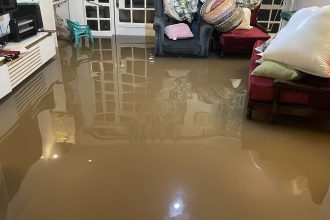
Amid the devastation, a critical intervention arrived on March 18, 2026. The World Health Organisation (WHO) handed over emergency health kits worth Ksh10 million to the Ministry of Health at Afya House. The supplies are designed to prevent what often follows floods: disease outbreaks that claim more lives than the waters themselves.
This explainer breaks down what the intervention is, why it matters, and how it works.
Why floods create a health crisis
Floods do more than destroy homes. They create ideal conditions for disease.
When rainfall exceeds the capacity of soil and drainage systems, water spreads rapidly across the surface, carrying contaminants with it. Waste that is normally contained becomes part of the floodwater. In dense settlements such as Mathare and Mukuru in Nairobi, overflowing rivers mix with untreated sewage. The result is a direct pathway for infection.
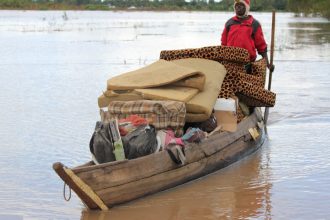
Research shows that heavy rainfall events increase the spread of water-borne diseases. As drainage systems fail, the line between clean and contaminated water disappears. This creates a faecal-oral transmission route that can infect thousands within days.
In Nairobi alone, where thirty-seven people have died from floods and collapsing structures, the risk extends beyond immediate danger. For displaced families, illness quickly becomes the next threat.
The three waves of post-flood illness
Health risks after floods typically unfold in three stages.
First wave: Physical trauma
People drown or suffer injuries from debris and collapsing buildings. This wave is immediate and visible.
Second wave: Water-borne diseases
Pathogens such as Vibrio cholerae (cholera) and Salmonella typhi (typhoid) thrive in contaminated water. Outbreaks typically emerge days to weeks after flooding begins.
Third wave: Vector-borne diseases
Stagnant water becomes a breeding ground for mosquitoes. Cases of malaria and Rift Valley Fever spike weeks to months after floodwaters recede.
It is this progression that the Ksh10 million intervention is designed to interrupt.
What is inside the Ksh10 million emergency kits
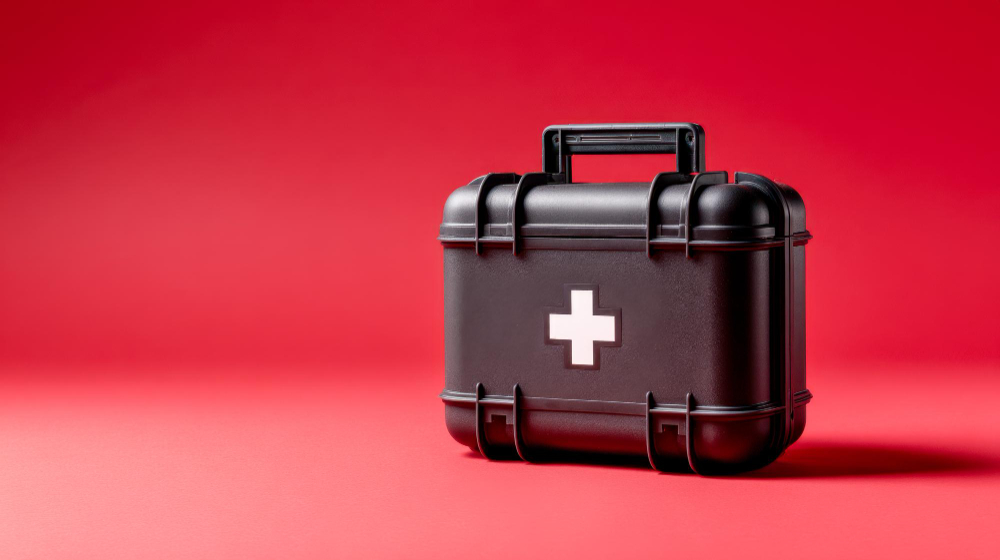
The kits function as mobile medical units. They can be transported by air, boat, or even animals to reach remote areas. Each kit supports up to five thousand people and is structured around four areas of response.
1. Cholera case management kits
Cholera remains one of the deadliest post-flood diseases. Without treatment, it can kill within hours through severe dehydration. With proper care, deaths can be reduced to less than one per cent.
The kits include:

- Oral rehydration salts and zinc for moderate cases
- Intravenous fluids such as Ringer’s Lactate for severe cases
- Antibiotics such as Doxycycline can shorten illness
- Specialised cholera beds that allow health workers to monitor fluid loss accurately
- Waterproof tents and solar lamps to enable treatment in flooded or remote areas
This allows patients to be stabilised on site rather than waiting for delayed evacuation.
2. Rapid diagnostic and investigation kits
In emergencies, time is critical. Traditional lab testing can take days. Rapid diagnostic tests allow health workers to detect cholera, malaria, and other diseases in about fifteen minutes.
These kits enable:
- Immediate treatment decisions
- Early containment of outbreaks in crowded displacement camps
- Sample preservation for further analysis when needed
3. Water treatment and sanitation supplies
Prevention is central to the response. Floods compromise water infrastructure, making safe drinking water scarce.
The supplies include:
- Chlorine tablets (Aquatabs) capable of treating 20 litres of water each
- Flocculants that remove dirt and pathogens from muddy water
- Pool testers to monitor chlorine levels in community water systems
Ensuring safe water at the point of use is one of the most effective ways to prevent water-borne disease.
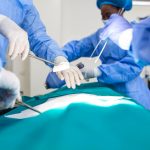
4. Trauma and emergency surgery supplies
Flood-related injuries are common, from cuts to severe wounds. The kits include:
- Haemostatic agents to stop heavy bleeding
- Sutures, sterile gloves, and surgical instruments for wound debridement
- Tetanus toxoid vaccines to prevent life-threatening infections in people exposed to contaminated water
Together, these components form a response that addresses both treatment and prevention.
How the intervention is being deployed
The Ministry of Health has paired the kits with a strategy focused on speed and preparedness. Rather than waiting for outbreaks, supplies are positioned in high-risk areas. Rapid response teams are on standby to reduce the time between detection and action from days to hours.
Different regions face different risks:
| Region | Primary risks |
| Nairobi | Flash floods, collapsing infrastructure |
| Western Kenya, Nyanza | Lake Victoria backflow, malaria |
| Coastal and Eastern (Tana River, Garissa) | Riverine flooding, cholera |
| Rift Valley | Landslides, physical trauma |
This targeted approach reflects lessons from past disasters.
Why the intervention matters beyond the immediate crisis
The value of the Ksh10 million intervention extends beyond emergency relief.
Preventing greater costs
Public health research shows that investing in sanitation and emergency preparedness reduces future costs significantly. For every dollar spent, multiple dollars are saved in avoided treatment, lost productivity, and broader economic disruption.
Protecting health system capacity
Unchecked outbreaks can overwhelm health facilities, require costly isolation wards, and even trigger international travel restrictions. By preventing such scenarios, the response protects both lives and the health system.
Enabling coordinated action
The kits are designed to align with supplies used by the Kenya Red Cross and Médecins Sans Frontières. This ensures seamless coordination as more aid arrives.
Addressing less visible impacts
Floods bring not only physical harm but also psychological distress. Studies show that people displaced by climate-related disasters face higher rates of trauma and long-term mental health challenges. By stabilising health conditions quickly, frontline workers can also create space to address these less visible impacts.
What happens next
As rains continue, the current death toll remains a national tragedy. Yet without this intervention, the numbers could have been far higher. The emergency kits act as a buffer, slowing the progression from disaster to widespread health crisis.
They represent more than medical supplies. They reflect planning, coordination, and a shift toward proactive response.
When the rains eventually subside, the intervention’s impact will be measured in lives saved. It shows that while floods may be unavoidable, their worst consequences are not.
The “invisible shield” now in place is built on science, logistics, and partnership. It stands between vulnerable communities and the diseases that follow disaster. And as Kenya navigates a changing climate, it offers a clear lesson: preparedness remains the strongest defence.