


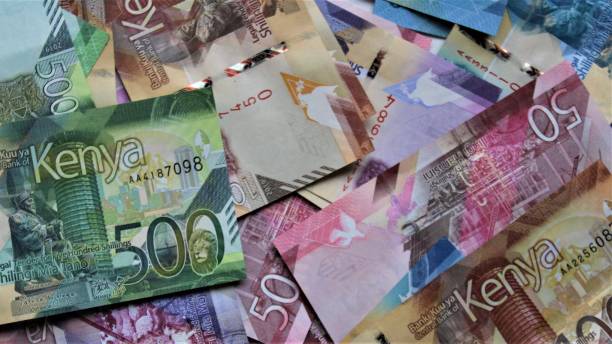

The Ministry of Health, the Council of Governors (CoG), and the National Treasury are locked in a blame game over who should pay the Ksh136 million annual wage bill, leaving TB health workers stranded and unpaid.
For over 15 months, Kenya’s frontline Tuberculosis (TB) health workers, charged with battling one of the country’s deadliest diseases, have gone without pay.
Despite being the backbone of Kenya’s TB response, 91 county-based staff remain in limbo, caught between government ministries and unfulfilled promises. Their plight threatens to unravel hard-won progress against a disease that still kills 15,000 Kenyans every year.

The workers were part of the Global Fund-supported TB program, which ended in December 2023. They were assured by the Ministry of Health (MOH) and the Public Service Commission (PSC) that they would be absorbed into permanent, pensionable positions. But more than a year later, those promises remain empty.
Instead, the Ministry of Health, the Council of Governors (CoG), and the National Treasury are locked in a blame game over who should pay the Ksh136 million annual wage bill, leaving health workers stranded and unpaid.
On October 8, the workers staged a protest outside the Ministry of Health headquarters in Nairobi, demanding answers and back pay. Among them was Patricia Mutiso, who tearfully appealed for government intervention.
“Fifteen months without a salary is unacceptable. We are demanding Ksh133 million per year. We are missing diagnoses for 40% of TB cases because of the injustices being done to healthcare workers under this program,” she said.
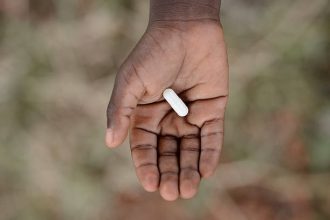
The striking workers, initially hired in 2015 under the Global Fund partnership, played critical roles in diagnosing, treating, and tracking TB patients across Kenya. But since donor funding ended, they have continued to serve, unpaid, while their counterparts in national hospitals, about 25 workers, were absorbed by the MOH.
“We work alongside civil servants who receive their salaries, while we , on contract, do most of the work with nothing to show for it,” said Lucy Kigumo, a clinical officer formerly stationed at Dandora 1 Health Centre.
Kenya remains one of the 30 countries with the highest TB burden globally. The Ministry of Health reports about 130,000 new TB cases annually, with 96,865 cases notified in 2024.
TB-related deaths have dropped by 66 per cent from 23,000 in 2015 to 15,000 in 2024, and treatment coverage has improved to 77 per cent, up from 69 per cent in 2023. But experts warn that these achievements could quickly reverse if the country’s frontline TB workforce continues to be neglected.
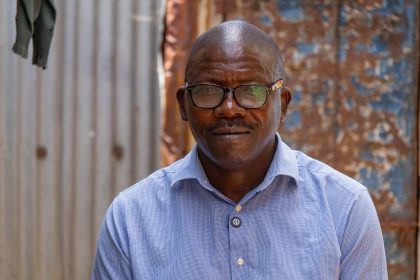
In January 2024, the Ministry of Health pledged to pay the workers for six months and later absorb them. A lump-sum payment was made in June 2024, but no further funds have been released.
A July 26, 2024, letter from Public Health Principal Secretary Mary Muthoni to the CoG confirmed that the staff had been paid for six months and urged counties to absorb them starting July 2024, per PSC approval.
However, in a September 27, 2024, response, Council of Governors CEO Mary Mwiti said counties lacked the budget to do so and requested additional allocations of approximately Ksh136.3 million per year to cover salaries and benefits.
By January 2025, PS Muthoni again appealed to the National Treasury to fund the unpaid salaries directly through the Ministry of Health, warning that the transition had stalled due to lack of funds.

The prolonged uncertainty has taken a devastating toll. Many health workers have resorted to loans or partners’ support to survive. Tragically, one worker, Gladys Rimui from Nyeri, reportedly died by suicide along with her child after months of despair.
Kenya Union of Clinical Officers (KUCO) chairperson Peterson Wachira condemned county governments for what he termed “insincerity and indifference”: “Counties claim they lack funds to employ TB workers, yet they continue hiring others while these heroes languish in debt and depression.”
Ironically, Kenya signed a new Global Fund grant worth $407.9 million (Ksh53.4 billion) in June 2024, covering HIV, TB, and malaria programs through 2027. Yet, the transition of the very health workers who built the TB response remains unresolved.
Unless the Ministry of Health and counties act urgently, Kenya risks not only losing trained TB specialists, but also reversing critical gains in one of its most persistent public health battles.
We believe in the free flow of information
Republish our articles for free, online or in print, under Creative Commons licence.