


Lenacapavir targets those most at risk: discordant couples, sex workers, men who have sex with men, transgenders, people who inject drugs and people in prisons and other closed settings.
Kenya has received its first consignment of 21,000 doses of Lenacapavir, a long-acting injectable antiretroviral drug designed to prevent new HIV infections, with the United States government pledging an additional 25,000 doses to further strengthen the country’s prevention efforts.
Unveiled on Tuesday, 17 February, the consignment was delivered in partnership with the Global Fund. A further 12,000 continuation doses are expected to arrive by April to support individuals already started on the drug. Lenacapavir, manufactured by US firm Gilead Sciences, was approved by the US Food and Drug Administration in June 2025 and recommended by the World Health Organisation on 18 July 2025, during the 13th International AIDS Society Conference in Kigali, Rwanda.
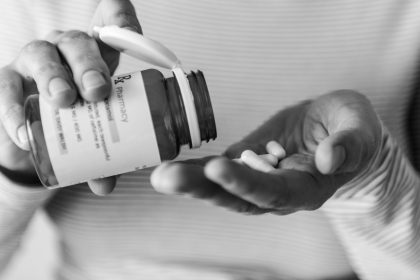
The rollout will begin in March across 15 counties with the highest HIV burden. Director General of Health Dr Patrick Amoth, speaking when receiving the consignment, confirmed that the drug had also been certified by Kenya’s Pharmacy and Poisons Board.
“The initiative is in line with Kenya’s Universal Health Coverage agenda to strengthen prevention efforts and achieve a national goal of ensuring every child is born and remains free of HIV,” Amoth said.
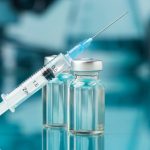
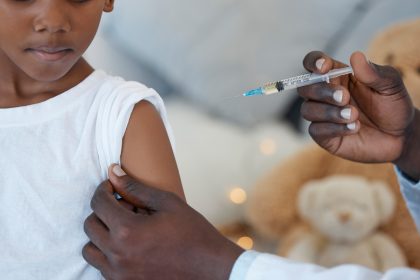
Unlike daily oral PrEP pills, Lenacapavir requires only two injections a year – each dose providing six months of protection against HIV. The drug is particularly vital for discordant couples and key vulnerable populations such as commercial sex workers, men who have sex with men, people who inject drugs and prisoners who face a high risk of contracting the disease.
Kenya selected as first country in East Africa for Lenacapavir rollout
Its accessibility has been made possible through sustained advocacy efforts. The drug’s initial cost stood at over Ksh5.4 million per dose but has since been negotiated down to Ksh7,800, making it viable for individuals in lower- and middle-income countries.
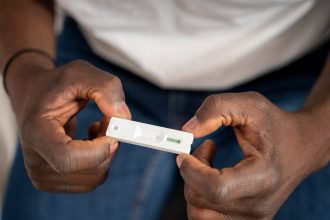
Cabinet Secretary for Health Aden Duale explained that Kenya was selected as the first country in East Africa for the Lenacapavir rollout owing to its strong leadership and readiness to adopt modern, effective prevention tools. In July 2025, Kenya was named among the first nine countries globally to introduce the drug, alongside Eswatini, Lesotho, Mozambique, Nigeria, South Africa, Uganda, Zimbabwe, and Zambia.
The urgency of the rollout is underscored by Kenya’s HIV burden. According to the National AIDS and STI Control Programme (NASCOP), the country has an HIV prevalence of 3.7 per cent, with approximately 1.34 million people currently on antiretroviral treatment. Alarmingly, 41 per cent of new HIV infections occur among young people below the age of 24.
“This underscores the urgent need for novel prevention strategies,” Duale said, emphasising Lenacapavir’s value as an alternative to oral PrEP.
David Mutinda, Home-Based Testing and Counselling and Prevention lead at Academic Model Providing Access to Healthcare (AMPATH), welcomed the expanded choice the drug offers. “Taking drugs daily is not easy and by having Lenacapavir, clients’ choices have been strengthened, just like those seeking contraceptive services choose what they prefer,” he told Willow Health Media.
I urge all those who are on (HIV) treatment to continue their lifelong therapy- CS Duale
Duale was keen to clarify the drug’s role for the public. “Lenacapavir is for those who are HIV negative. It is neither a vaccine nor a cure for HIV and therefore I urge all those who are on treatment to continue their lifelong therapy,” he stated.
The rollout will proceed in three phases. The first phase covers 15 counties: Kisumu, Mombasa, Nairobi, Migori, Homa Bay, Siaya, Kisii, Kajiado, Busia, Machakos, Kilifi, Nakuru, Kakamega, Kiambu, and Uasin Gishu. According to the NASCOP 2025 report, Kisumu, Mombasa, Nairobi, Migori, Homa Bay, Siaya, Kisii, Kajiado, Busia, and Machakos alone account for 60 per cent of new infections. The second phase will cover a further 15 counties, with the remaining 17 counties reached in the third phase.
Kenya’s expanded prevention toolkit now includes Lenacapavir alongside its long-standing ABC strategy of -Abstinence, Being faithful to one sexual partner, and using Condoms – as well as oral PrEP options including daily pills and an event-driven pill for men anticipating intercourse with a partner of unknown HIV status. The Dapivirine Vaginal Ring, a flexible silicone ring that releases the antiretroviral drug dapivirine locally to reduce the risk of HIV-1 infection in women, was also previously used but did not gain widespread uptake.