



“We must learn from what has worked, what has failed, and what can inspire solutions suited to our context,” Dr Mercy Korir, CEO and Editor-in-Chief, Willow Health Media
Two of Africa’s leading health communication organisations convened a high-level roundtable in Nairobi to address the continent’s pressing need for sustainable, domestic health financing.
The meeting, entitled “Beyond Aid Dependency: Unlocking Domestic Health Financing Through Health Taxes,” was organised by Willow Health Media and Nigeria Health Watch and brought together economists, government officials, and policy experts to forge strategies for funding health systems from within Africa.
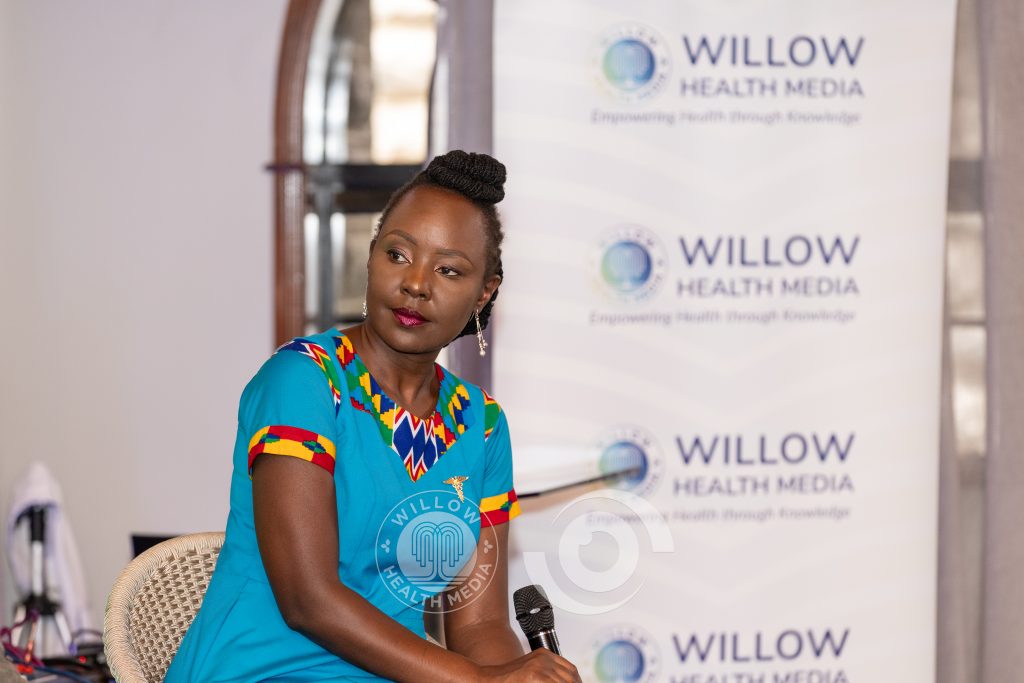
Dr Mercy Korir, CEO and Editor-in-Chief of Willow Health Media, opened the dialogue by urging countries to learn from one another. “We must learn from what has worked, what has failed, and what can inspire solutions suited to our context,” she said. She stressed that the roundtable’s value lay in fostering practical, evidence-based dialogue that strengthens coalitions and builds continental solidarity.
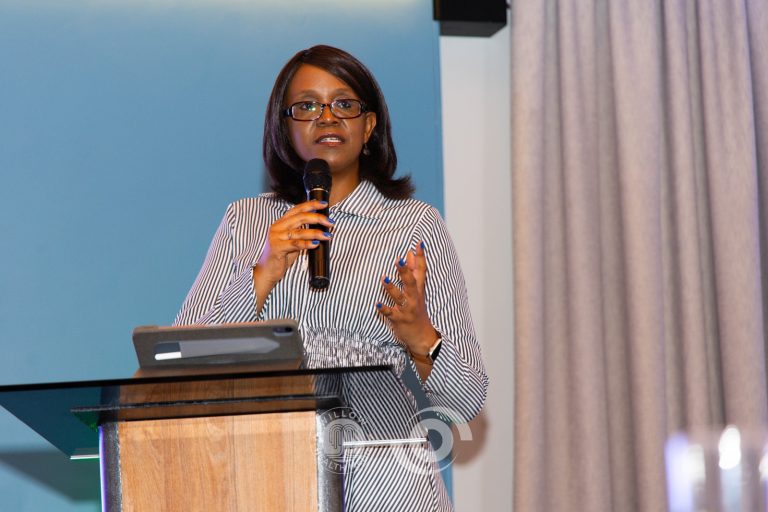
The impetus for the dialogue is the stark reality of shrinking external aid. Vivianne Ihekweazu, Managing Director of Nigeria Health Watch, highlighted the recent Global Fund replenishment in Johannesburg as a critical signal.
Only $11.34 billion was raised against a $18 billion target, and many countries have yet to fulfil their pledges.
“The reality is clear: governments face internal fiscal pressures, aid flows are declining, and health worker mobility affects all regions,” she said.
“We must act now to sustain our systems, particularly as non-communicable diseases rise across the continent.”
Kenya and Nigeria rely heavily on domestic healthcare financing
Experts underscored that African countries already invest significant domestic resources in health. Edwin Macharia, Global Managing Partner and co-founder of Axum, noted that Nigeria spends $20 to $21 billion annually on healthcare, with 75 per cent coming from private sources. Kenya also relies heavily on domestic funding.
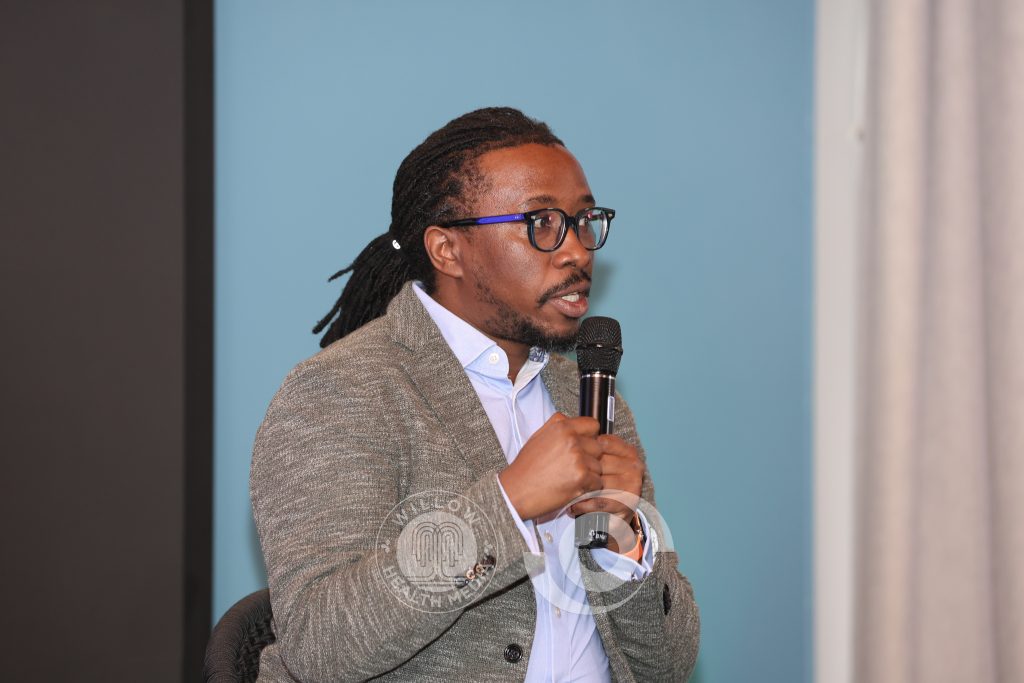
Macharia argued that the changing disease burden necessitates this shift. “Aid made sense for infections because donor countries wanted to prevent global spread,” he explained. “Non-communicable diseases like diabetes and hypertension, however, are primarily local challenges. Funding for these conditions must come from domestic resources.”
A central focus was the strategic use of health taxes on products like tobacco, alcohol, and sugar-sweetened beverages. Ihekweazu emphasised that such levies are more than just revenue streams. “They also incentivise healthier consumption habits whilst providing funds that can be earmarked for public health programmes,” she said.
Participants reviewed practical examples, including Nigeria’s legislative progress on directing ‘sin tax’ revenue to health programmes. Ihekweazu noted, however, that implementation and transparent allocation remain key challenges.
Citizens must see tax revenues transparently applied to tangible health improvements
Macharia outlined a three-pillar framework for successful health tax programmes: technical correctness, political feasibility and administrative capacity. “It is not enough to raise taxes,” he cautioned. “We must ensure the political environment supports implementation and that systems exist to collect, ring-fence, and allocate funds effectively to health priorities. Without these, technical solutions will fail.”
This focus on governance and public trust was echoed throughout the discussions. Participants agreed that citizens must see tax revenues transparently applied to tangible health improvements to build and maintain support for such fiscal policies.
The organisers concluded that the event represents a vital model for African-led dialogue. By convening decision-makers from across sectors, the partnership demonstrated that sustainable solutions are achievable when African leaders take ownership.
“The era of aid dependency is ending,” said Dr Korir. “These collaborations are critical to ensuring that African countries not only fund their healthcare systems but also design them to meet the needs of their people.”