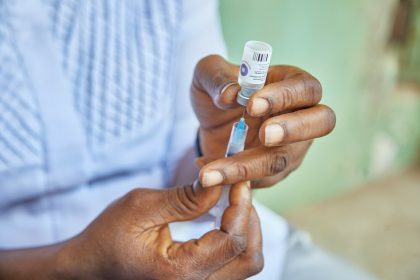

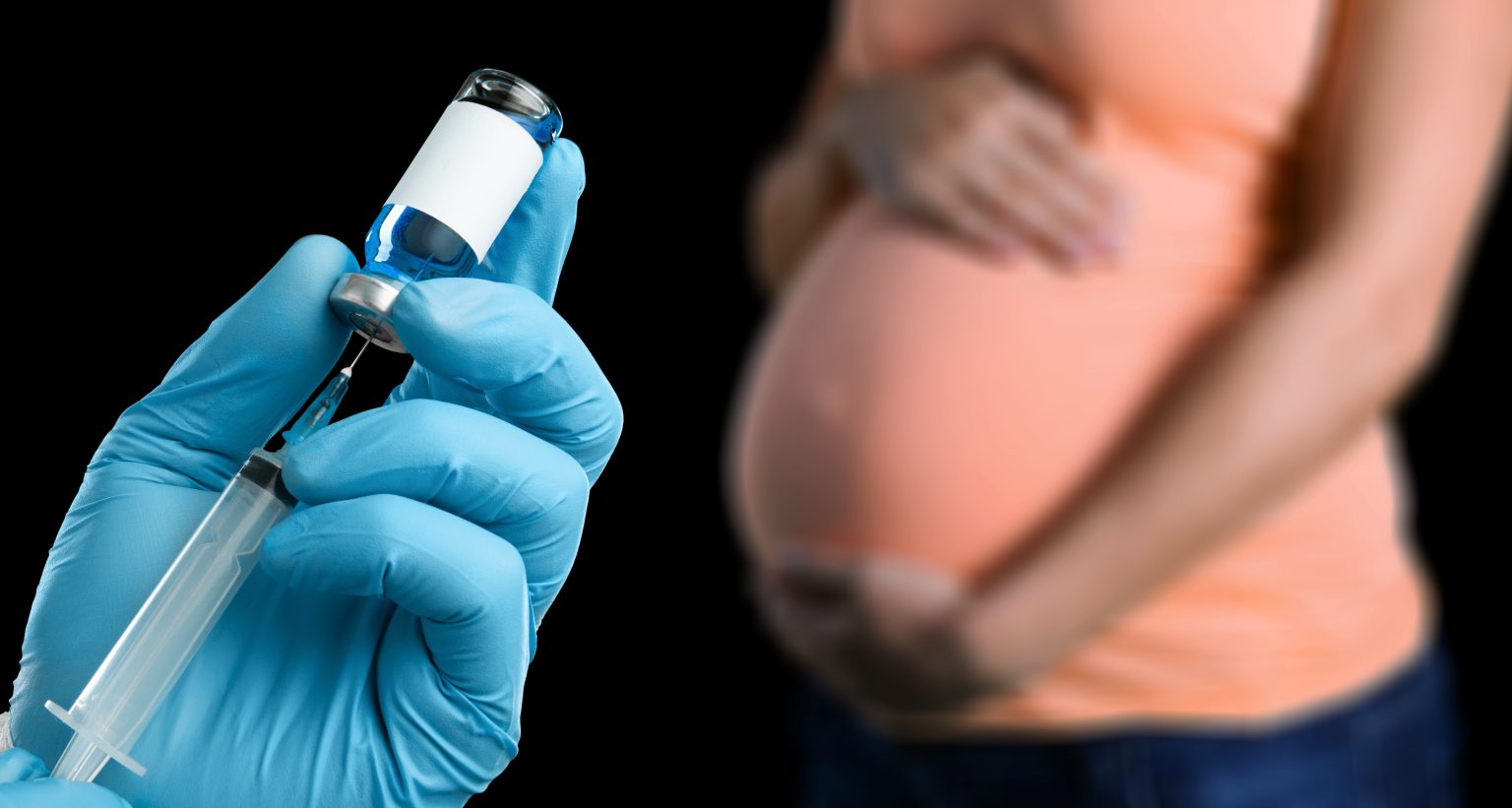

Instead of catching Group B Streptococcus (GBS) bacteria during labour, a vaccine given during pregnancy would allow the mother to pass protective antibodies to her baby through the placenta.
Group B Streptococcus (GBS) is a common bacterium. It is a quiet passenger, colonising the vagina or rectum of about one in five healthy pregnant women worldwide, 18 to 20 million women to whom the bacteria are invisible. There are no symptoms, no pain, and no warning signs.
But for the child they carry, this silent traveller can become a deadly intruder. During pregnancy or the intense hours of childbirth, GBS can pass from mother to baby. When it does, the results are devastating: severe newborn infections, sepsis, meningitis, and pneumonia.
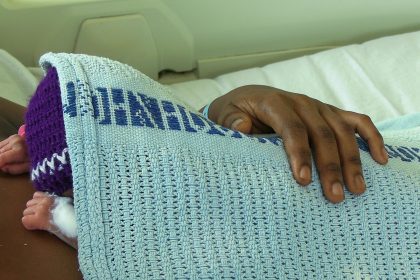
Globally, this passage leads to 400,000 cases of invasive infant disease and claims 91,000 infant lives every year. Perhaps most hauntingly, it is linked to 46,200 stillbirths and 518,000 preterm births annually. These are not just statistics; they are families whose stories were cut short before they truly began.
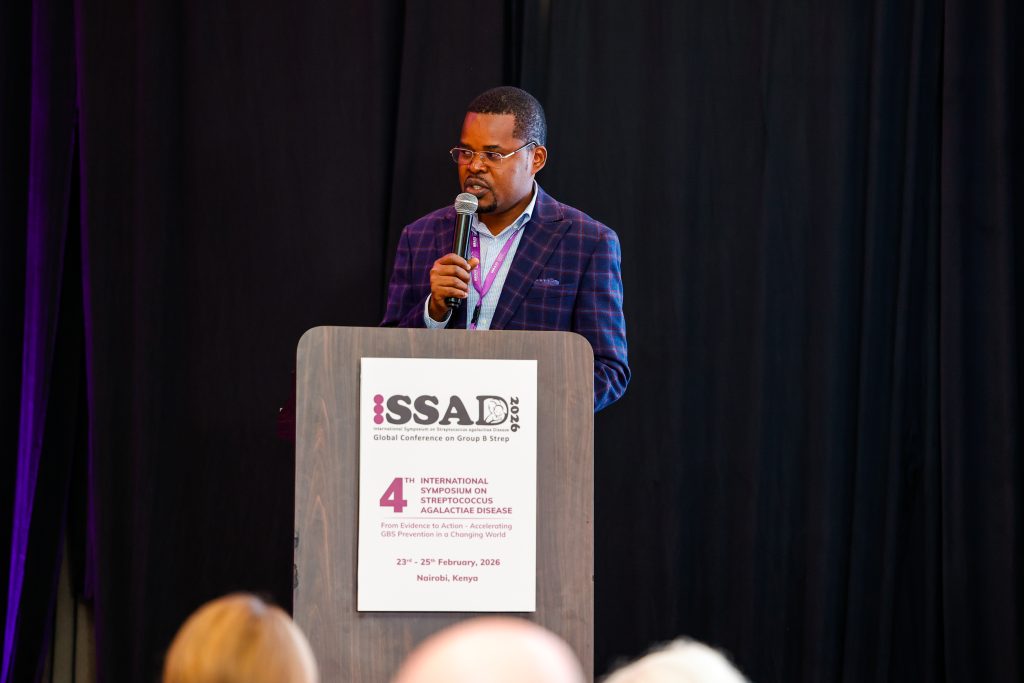
In early 2026, the global scientific community decided it was time to move the conversation to the front lines. When scientists, public health leaders, and vaccine developers gathered in Nairobi for the International Symposium on Streptococcus agalactiae Disease (ISSAD 2026), the choice of the host city was an act of powerful symbolism.
For the first time in its history, this global conference was held in East Africa, a region that bears a disproportionate share of the GBS burden. In Africa, the rate of invasive GBS disease is estimated at 1.12 cases per 1,000 live births. This is more than double the rate seen in the Americas and nearly four times the rate reported in Asia.
GBS prevention depends on antenatal visits, lab screening, timely antibiotics in labour, newborn monitoring
Holding the symposium in Kenya highlighted a harsh reality: the tools used to fight GBS in wealthy nations – routine screening of all pregnant women and the use of intravenous antibiotics during labour – are far harder to implement in resource-constrained settings.
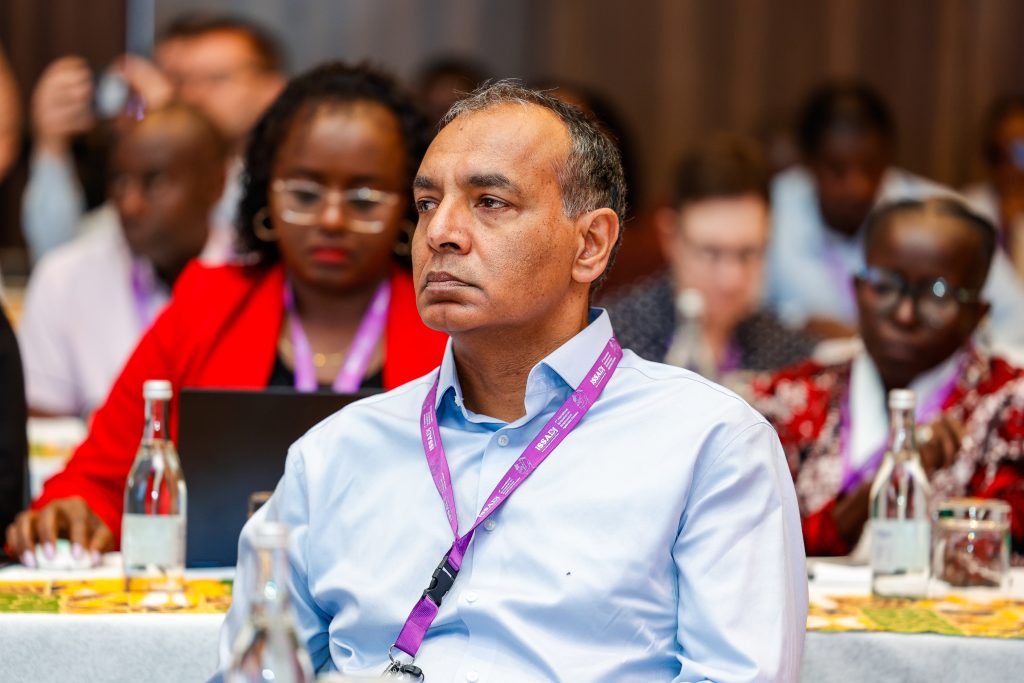
“GBS prevention depends on a continuum of care,” explained Prof Shabir Madhi, a renowned South African vaccinologist. “Antenatal visits, lab screening, timely antibiotics in labour, and newborn monitoring. In many low-resource environments, that full chain simply doesn’t exist.”
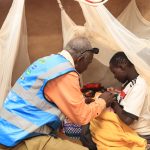
Kenya reflects this struggle. While more women are now giving birth in health facilities, the laboratory capacity to test for GBS remains a luxury. Even when a risk is identified, antibiotics might not be administered early enough in labour to stop the transmission. In rural hospitals, the blood cultures and spinal fluid tests needed to diagnose a sick newborn are often out of reach.
Because of these gaps, GBS often does its damage in the dark. Many related deaths go unrecognised. “Stillbirths are often not investigated at all,” Prof Madhi noted. “They don’t make it into surveillance systems in the same way as live-born babies. That means we are probably underestimating the role of GBS in fetal deaths.”
To tell the full story of GBS, scientists had to look where others hadn’t. Some of the strongest evidence linking the bacteria to stillbirth is now emerging from the Child Health and Mortality Prevention Surveillance (CHAMPS) network.
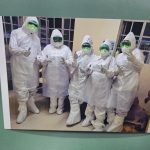
Trained teams meet with grieving families to seek consent for tissue sampling
Operating in sub-Saharan Africa and South Asia, CHAMPS uses advanced post-mortem methods to determine why children die. Victor Akelo, CHAMPS Director of Site Strategy and Implementation, describes a delicate process. Within 24 hours of a tragedy, specially trained teams meet with grieving families to seek consent for tissue sampling.
By December 2025, CHAMPS had investigated nearly 9,000 cases. The findings were a wake-up call. While GBS accounted for about 2 per cent of all stillbirth causes in their dataset, Akelo cautioned that this is just the tip of the iceberg.
“GBS is the second most common pathogen in infectious stillbirths, responsible for around 20 per cent of those cases,” Akelo said. In some settings, GBS was detected in up to 59 per cent of neonatal deaths, specifically among babies who died within their first 24 hours of life, suggesting the infection took hold before they even took their first breath.
The CHAMPS data revealed another critical plot point: standard blood cultures – the “gold standard” of many hospitals – miss most GBS-related deaths. Molecular tests like PCR and examining the placenta are far more accurate.
“Placental examination can show us inflammation and infection that point to GBS,” Akelo explained. “But pathology capacity is limited in many of the countries where we work. That is a critical gap.”
After decades of slow progress, a maternal GBS vaccine is now closer to reality
In many of these cases, the stillbirth wasn’t just a random tragedy; it was preceded by a maternal infection like chorioamnionitis (infection of the membranes around the baby). These were missed opportunities for treatment.
After decades of slow progress, the story is reaching a hopeful climax. A maternal GBS vaccine is now closer to reality than ever before.
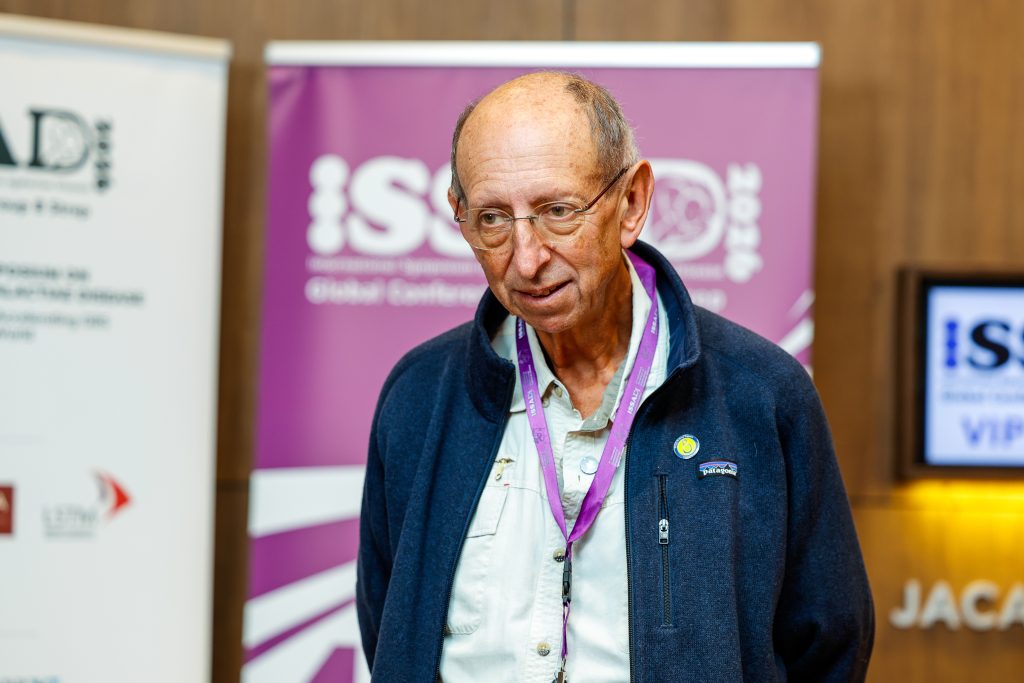
Keith Klugman, Director of the Pneumonia Program at the Gates Foundation, believes the field has reached a turning point. “We now have a correlate of protection,” he said. He is hopeful that within three years, a vaccine could complete trials and be ready for use in high-burden regions like Africa.
This vaccine would change the strategy entirely. Instead of trying to catch the bacteria during the frantic hours of labour, a vaccine given during pregnancy would allow the mother to pass protective antibodies to her baby through the placenta.
Modelling studies suggest this could prevent 127,000 early-onset infant cases and 23,000 stillbirths globally. For Kenya, it would bypass the need for complex lab screenings and the logistical hurdles of administering antibiotics in understaffed labour wards.
Each day, an estimated 1,200 babies are infected with GBS… Of those, about 375 die
“The vaccine itself will act as a probe,” Klugman said. “It will tell us what fraction of stillbirths, prematurity, and neonatal sepsis are really due to GBS.”
Behind the data and the “probes” are the human voices that demand action. Marti Perhach, Chief Executive of Group B Strep International, shared a story that many in the Nairobi conference room will never forget.
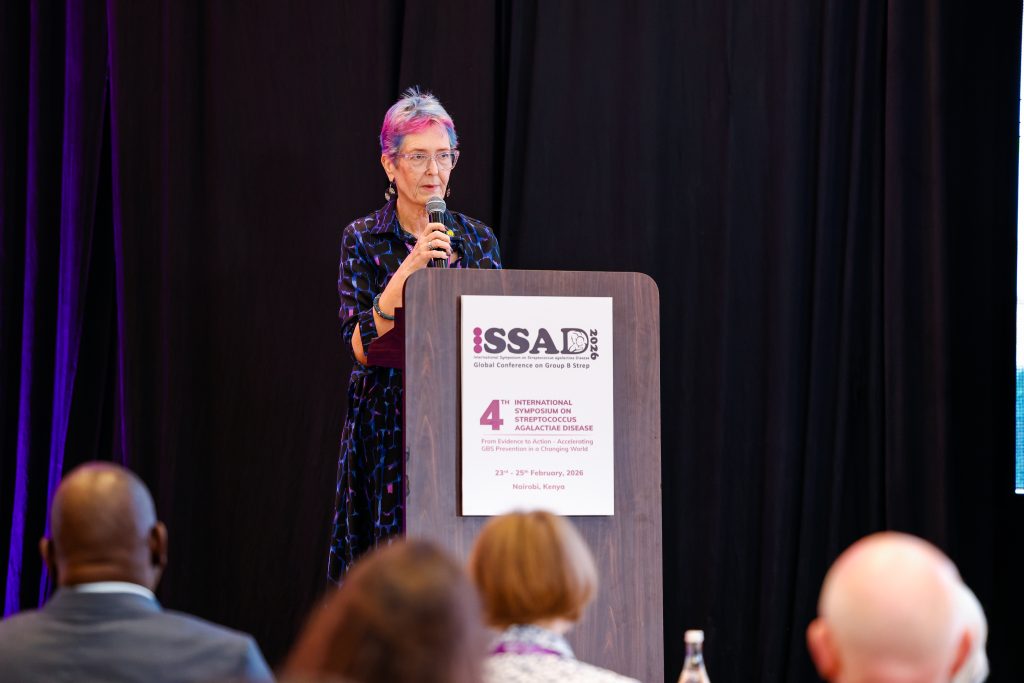
“My daughter was stillborn due to Group B strep,” she told the delegates. Her words served as a reminder that for every statistic, there is a cradle that stayed empty. “Each day, an estimated 1,200 babies are infected by GBS… Of those, about 375 die. Stillbirth is also the death of a baby.”
In Kenya, where stillbirths are often experienced in silence and rarely investigated, her message was a call to break the stigma.
The story of GBS in Kenya and across the globe is still being written. Experts agree that the ending depends on a multipronged approach:
- Detection: Improving how we find infections during pregnancy.
- Investigation: Making stillbirths a public health priority so they are no longer “invisible.”
- Capacity: Expanding laboratory and pathology services.
- Preparedness: Getting health systems ready for the arrival of the maternal vaccine.
“Stillbirths are invisible in many systems,” Prof Madhi concluded. “But if we don’t measure them, we will never prevent them.”
As Nairobi looks toward a future where vaccines are ready and surveillance is precise, there is a newfound opportunity to stop this silent killer. The goal is simple but profound: to ensure that fewer pregnancies end in tragedy and more stories begin with a healthy birth.
We believe in the free flow of information
Republish our articles for free, online or in print, under Creative Commons licence.