
Dr Joe Ageyo framed the anniversary as a celebration of intention: To tell health stories responsibly, the intention to resist noise with evidence, the intention to build something that matters not just now, but for many generations to come.
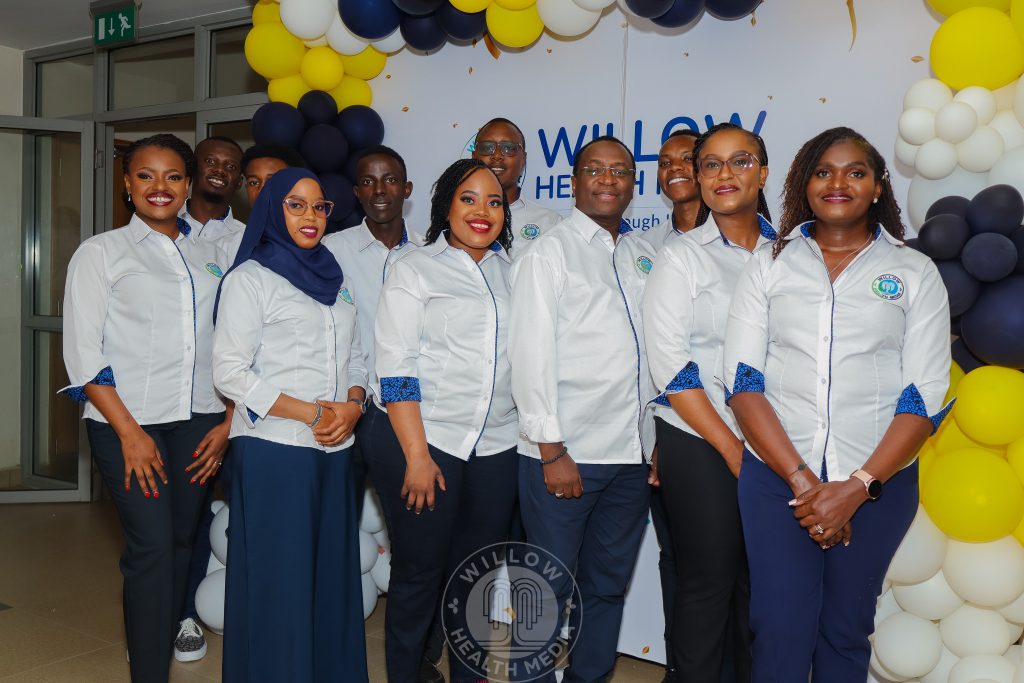
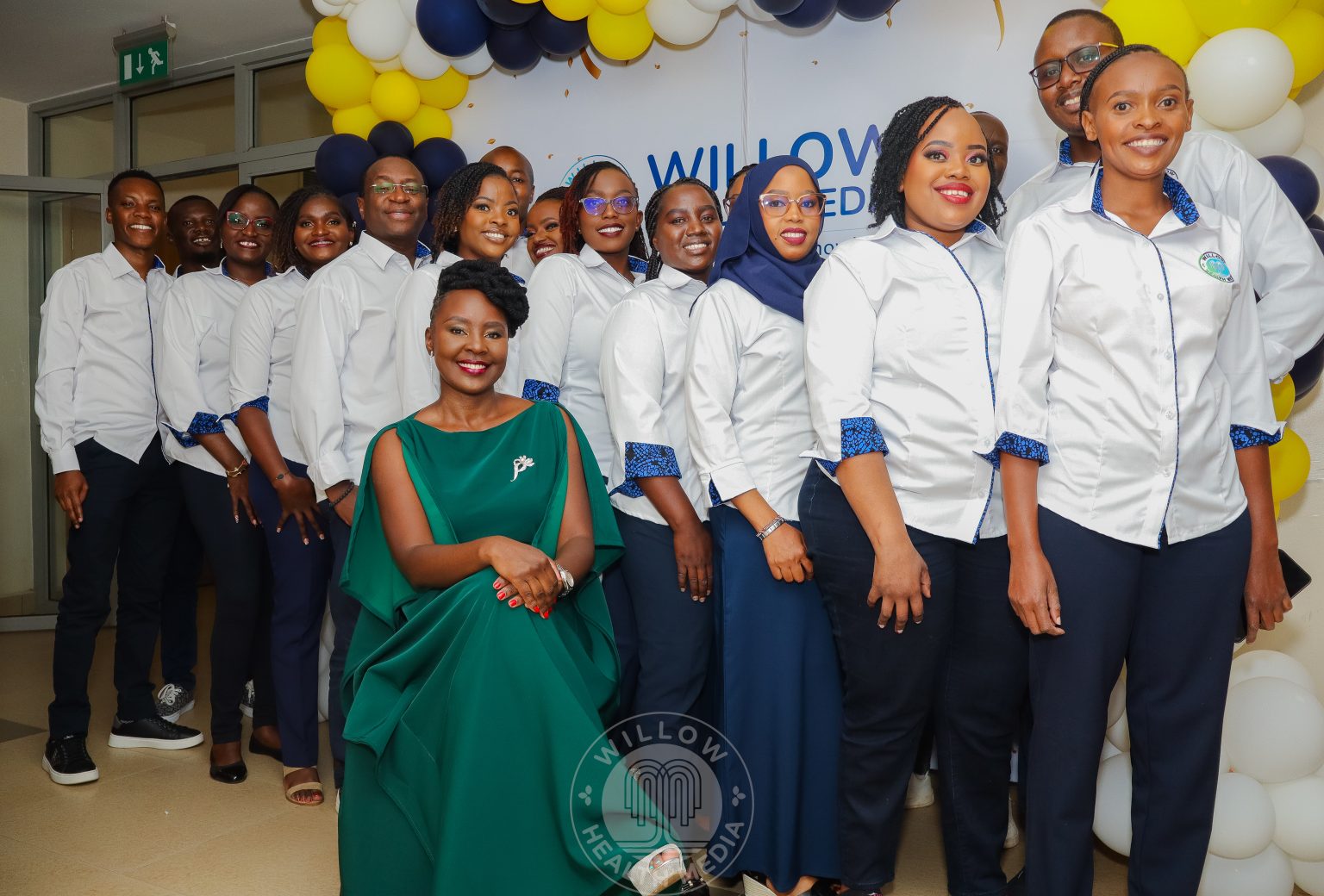
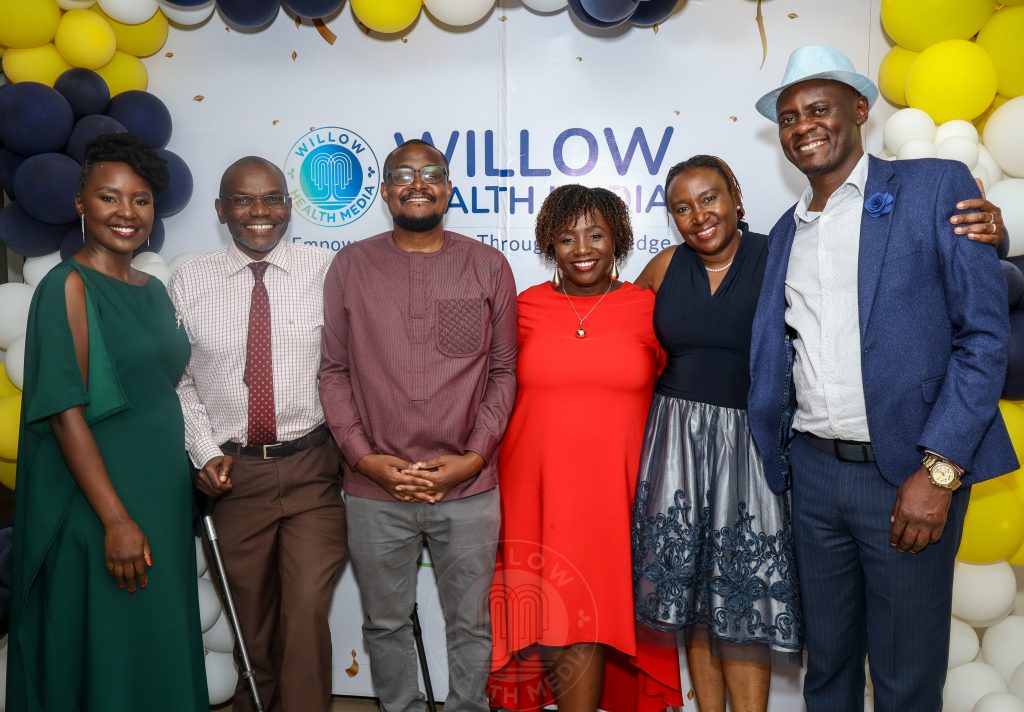
Willow Health Media commemorated its first anniversary in Kenya with an intimate cocktail event that brought together key figures in health, media and policy.
Besides the celebration, the evening also served as a powerful reaffirmation of Willow’s mission: to bridge the gap between complex health information and public understanding through rigorous, ethical, and evidence-centred journalism.
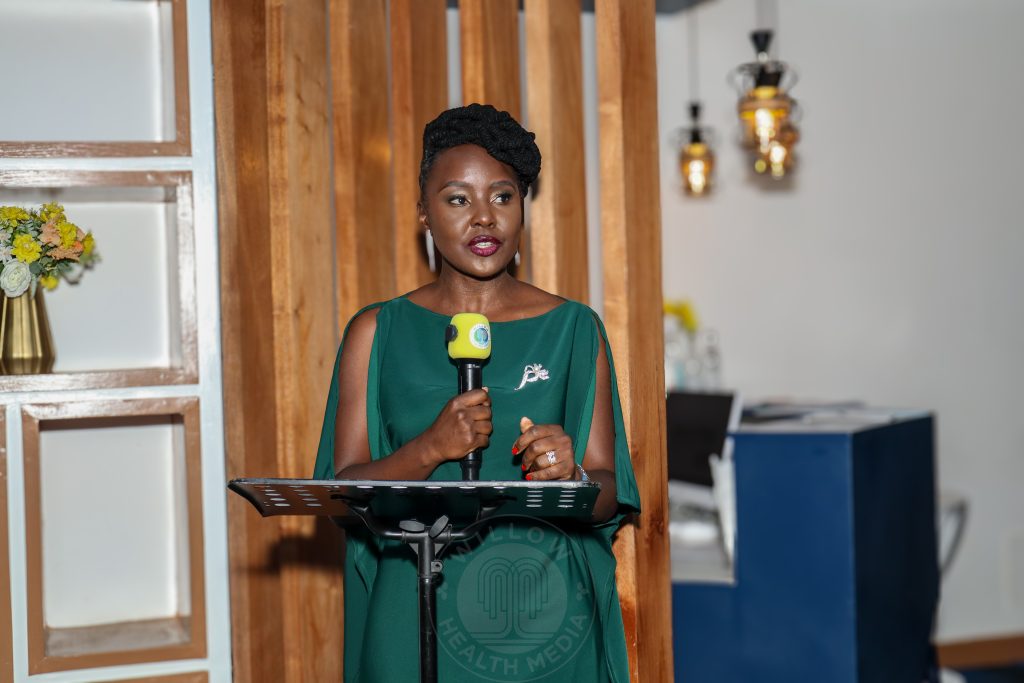
Held at its offices in Upper Hill, Nairobi, the event featured reflections from the organisation’s leadership, partners, and mentors, painting a picture of a venture born from conviction and grown through collaboration.
Dr Mercy Korir, the CEO and Editor-in-Chief of Willow Health Media, the organisation’s first year has been surreal, yet grounding. A trained medical doctor, Dr Korir explained that her shift to journalism was not a departure from medicine but an expansion of it.
“I realised that some of the most powerful forces shaping health are not found in hospitals or clinics, but in information, in systems, in policy, and in whose stories are told and how they are told,” she said while referencing Chinua Achebe’s adage that “until the lions have their own historians, the history of the hunt will always glorify the hunter.”
Willow has grown into a team of 25 professionals who chose to join a start-up ‘because it mattered’
Dr Korir stated Willow exists to ensure health stories centre the voices of patients, communities, and frontline workers. What began as three people working across different time zones has grown into a team of 25 seasoned professionals who chose to join a start-up “because it mattered.”
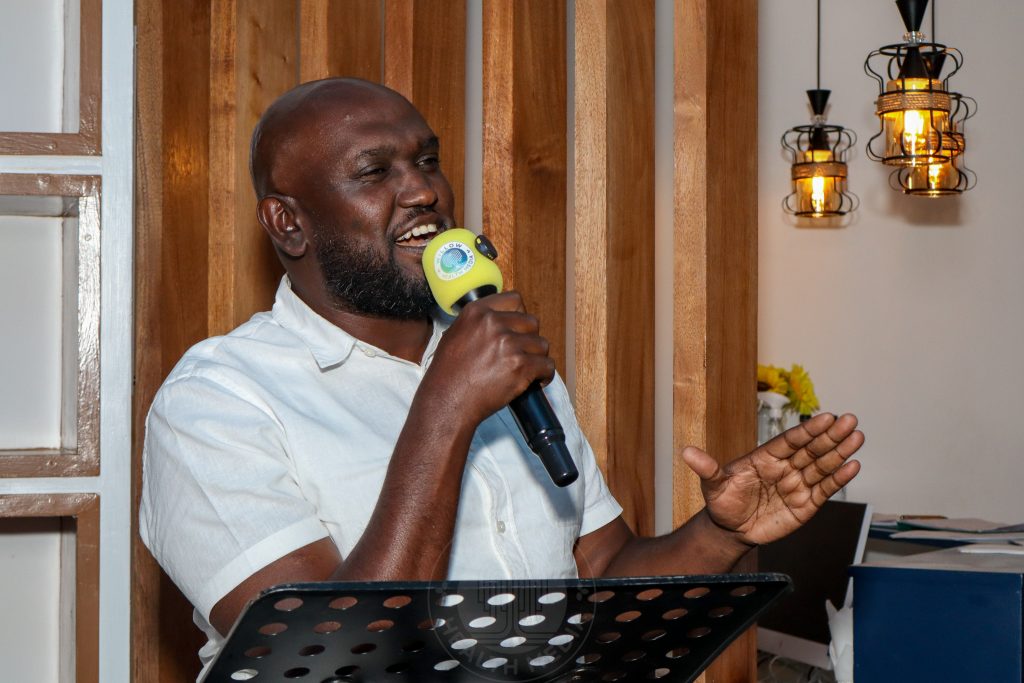
A notable highlight was an address by Dr Abdi Mohamed, the Chair of the Social Health Authority (SHA), who revealed that Dr Mercy Korir was the first journalist to know of his impending appointment last September, even preparing material from home before the Willow office formally existed.
Dr Mohamed praised Willow for seeking facts and depth from the onset, contrasting it with superficial coverage elsewhere. He used his platform to urge a shift in national health discourse from operational hiccups to substantive policy.
“The debate… should be on how to improve? Are the acts, the laws, the regulations appropriate in addressing our health needs in terms of financing?” he posed.
He particularly highlighted the little-known Facility Improvement Fund (FIF) Act, which empowers communities to oversee local hospital resources, as a critical but under-reported piece of health system strengthening. He credited Willow’s early explanatory videos with helping educate the public, contributing to over 29 million Kenyans registering for SHA.
The gap Dr Mercy Korir began to feel in a real way was between medical knowledge and public understanding
“I will not say SHA is perfect, but I can say we are headed in the right direction… I look forward to talking to your team… so that we have informed journalists,” he concluded.
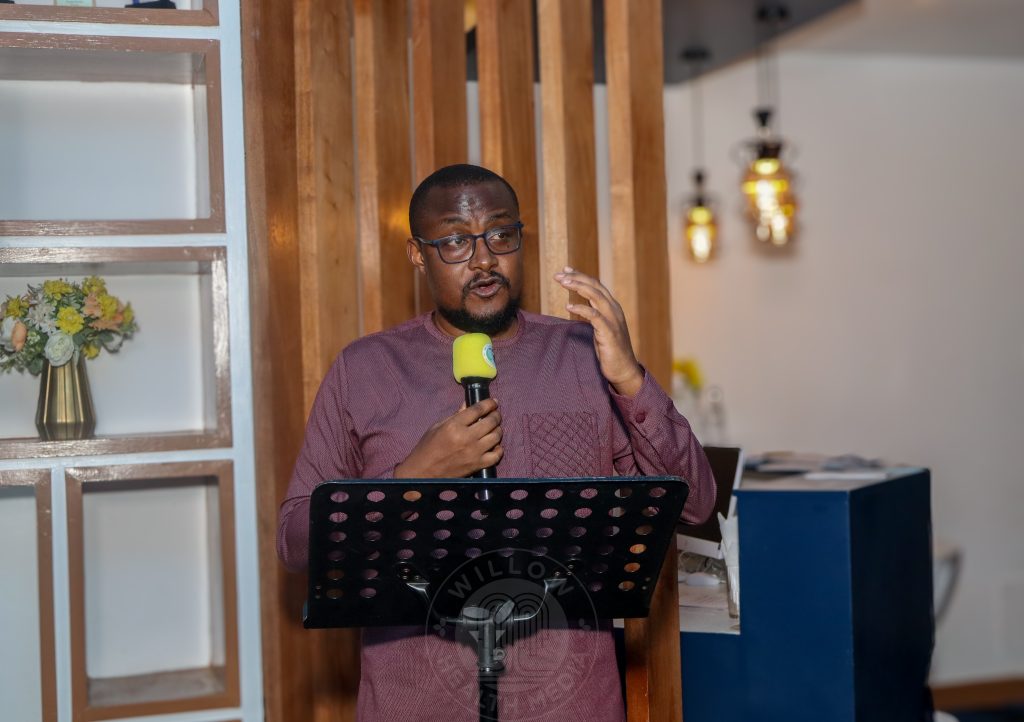
Dr Moses Masika, Board chair of Willow Health Media, expressed profound gratitude. “Today I am a very happy man… I remember discussing Willow on paper, on proposals, on budgets,” he said, marvelling at the tangible output and team now in place.
He thanked the dedicated staff who left “posh jobs” for the startup and the board members, including veterans like Pamela Sittoni and Dr Riro Mwita, a Senior Assistant Director of Medical Services at Kiambu Level 5 Hospital and Willow Health Media’s board member, for their guidance. Using the proverb “one finger does not kill a louse,” he acknowledged every partner and guest as the essential “second finger” that had helped crush the challenges of the first year.
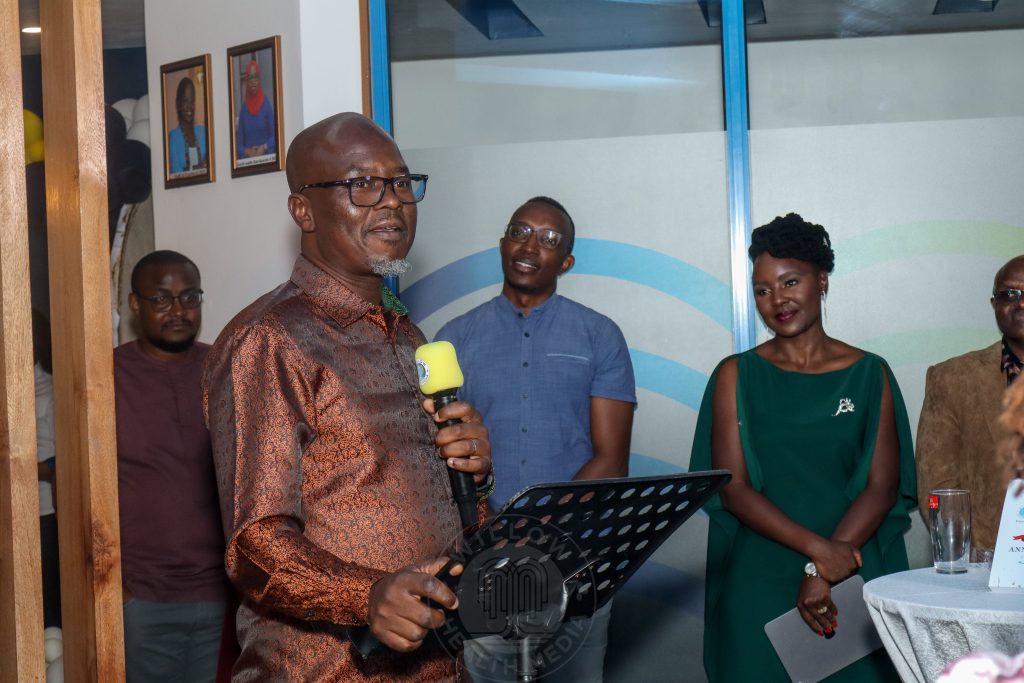
The event’s main speaker was veteran editor and media mentor, Dr Joe Ageyo, who humorously referred to himself as the “doorman” who opened the initial opportunity for Dr Korir in journalism over a decade ago.
He recounted basic struggles, like newsroom debates over whether she could use her medical title in bylines, and voice training to add “punch” to her delivery. For Dr Ageyo, Korir’s entry was a strategic response to a gap in specialised reporting.

“The gap that I think she began to feel in a very real way was the gap between medical knowledge and public understanding,” he said.
The need for journalism that treats public health with evidence and humanity has never been greater
Dr Ageyo framed the anniversary as a celebration of intention: “To tell health stories responsibly, the intention to resist noise with evidence, the intention to build something that matters not just now, but for many generations to come.”
Dr Catherine Mutinda Consultant Paediatrician and Geneticist reflected on her own transition from clinical practice into public storytelling, noting that medical training equips clinicians to present facts but not narratives.
She credited journalism platforms such as Willow’s Code of Life with creating space for patients to share lived experiences, describing communicators as the bridge between technical expertise and public understanding.
As the evening wound down, the message at the celebration was about laying a foundation of integrity, editorial independence, and deep specialisation. From explaining SHA registration to investigating broader health financing, the organisation has carved a niche as a credible voice.
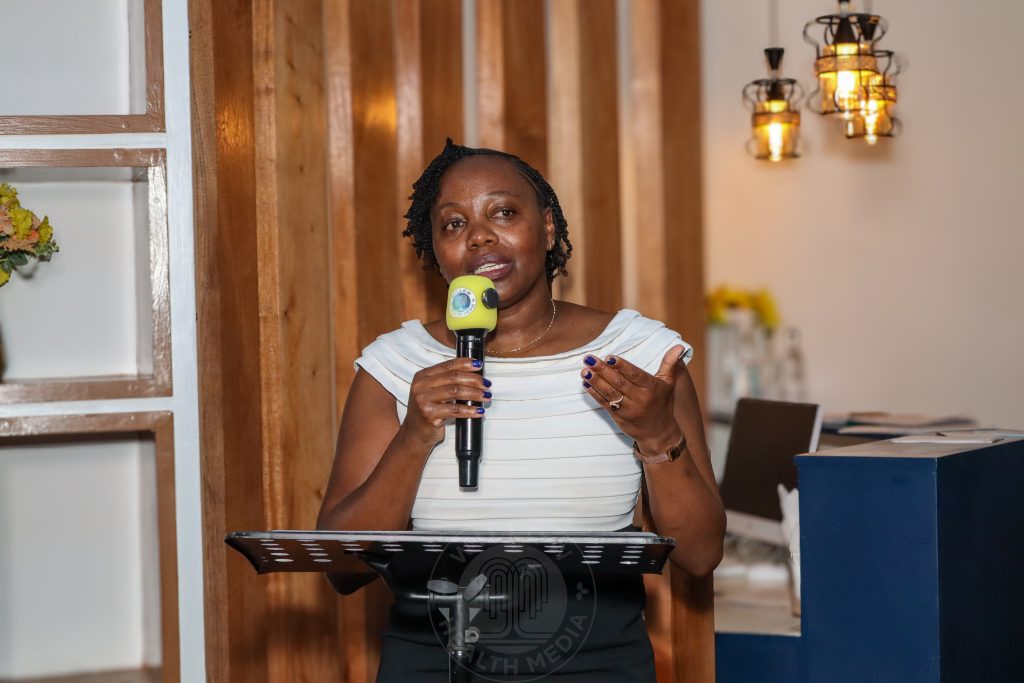
Looking ahead, Dr Korir sees Willow evolving from a promising start to a lasting institution. “Willow will continue to move, to evolve, and to adapt without losing sight of where we began,” she said.
The event underscored that in a volatile media landscape, the need for journalism that treats public health with the nuance, evidence, and humanity it deserves has never been greater, and Willow Health Media is stepping firmly into that space.
In attendance was TV47 CEO Mwenda Njoka, alongside other media leaders, including Verah Okeyo and Anne Mawathe, the Chief Executive and Editor-in-Chief, respectively, from DeFrontera. Their presence reflected cross-industry support and the collaborative spirit shaping Willow’s inaugural year. It signalled recognition among media professionals of the niche Willow Health Media occupies within Kenya’s media ecosystem.
Participation from leaders spanning broadcast networks and specialised communication firms pointed to growing respect for specialised, credible health reporting. Their endorsement reinforced the value of Willow’s mission-driven, evidence-based approach as a contribution to public discourse.