
Prostate cancer patients required up to eight weeks of radiotherapy, but with the new system, some now complete treatment in just over two weeks; while breast cancer patients who once needed up to six weeks of treatment can now finish radiotherapy in as little as one week
When Brian Mwakuro lost his first wife to breast cancer in 1993, cancer care in Kenya was slow, limited and difficult to access.
His wife was breastfeeding when she developed a lump in her breast. The family initially assumed it was a common complication of lactation. By the time she was referred from Coast General Hospital to Kenyatta National Hospital (KNH), the disease had already advanced.
“Awareness was low,” Mwakuro recalls. “We did not even know it was cancer at first.”
At KNH, the family was told that admission would only be possible several months later. An oncologist allowed her to seek treatment at a private hospital, but she died shortly after.
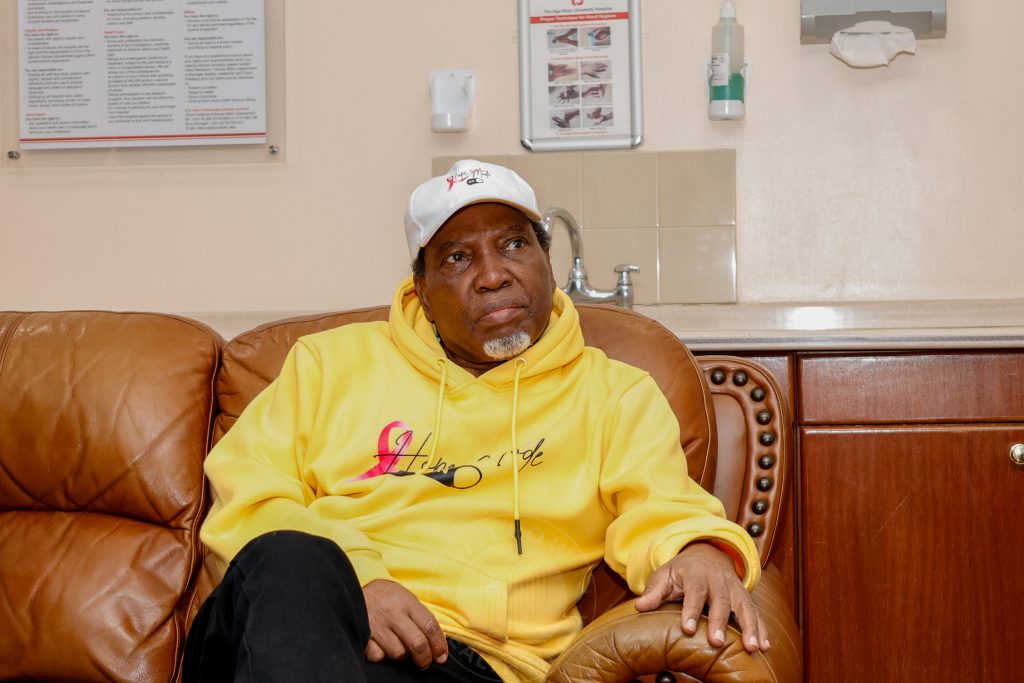
More than three decades later, Mwakuro is battling cancer himself, but in a very different medical era.
In 2023, after a PET scan and biopsy, the 66-year-old, who has lived with diabetes for 17 years, was diagnosed with prostate cancer. This time, treatment began quickly. He received hormone therapy injections at MP Shah Hospital, followed by radiotherapy at Aga Khan University Hospital (AKUH) in Nairobi.
“I started treatment in October, and I have done 38 sessions,” he says. “The side effects are there; fatigue, itching, diarrhoea, but they are much less compared to what people used to go through.”
Mwakuro’s experience reflects the changing face of cancer treatment in Kenya, driven by advances in radiotherapy that allow doctors to target tumours more precisely, reduce side effects and shorten treatment duration.
Kenya is projected to record 58,000 new cancer cases by 2028 and as many as 95,217 new cancer cases by 2040
Kenya continues to face a growing cancer burden. According to the Global Cancer Observatory (GLOBOCAN) 2022 estimates, the country records about 44,726 new cancer cases and 29,317 cancer-related deaths each year, with more than 102,152 people living with cancer in the past five years.
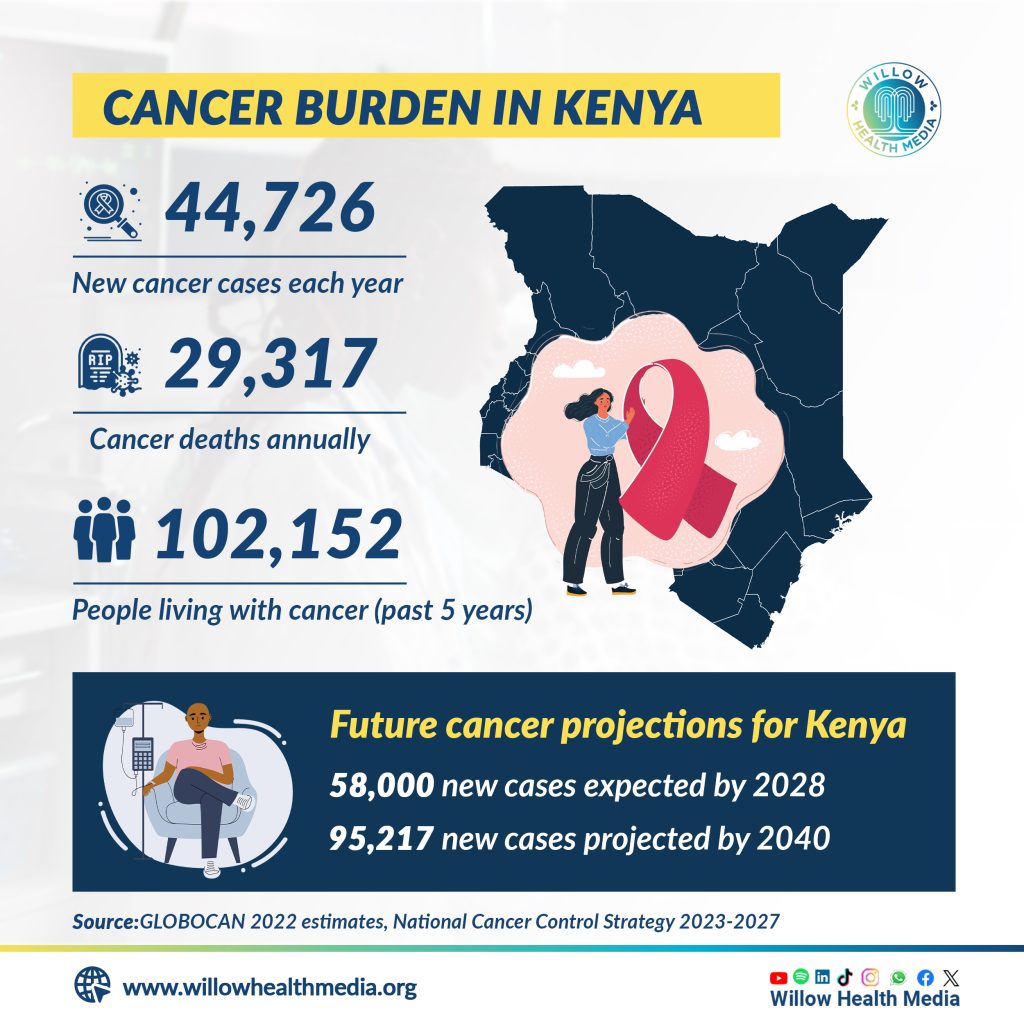
With population growth, urbanisation, longer life expectancy, and increased exposure to risk factors, the burden is expected to rise. The National Cancer Control Strategy (2023-2027) projects 58,000 new cases by 2028 and as many as 95,217 new cases by 2040.
For families like Mwakuro’s, these figures are deeply personal. Cancer has affected nearly every generation of his family. After his wife’s death, his mother developed cervical cancer. His father later died after surgery for suspected prostate cancer.
Then, in 2015, Mwakuro’s son, Harold Tende, was diagnosed with head and neck cancer at just 19 years old. “He used to have nosebleeds and headaches,” Mwakuro says. “We thought it was just a normal illness.”
A swelling on Tende’s neck led to referrals; first to an Ear, Nose and Throat (ENT) specialist, then to a pathologist, a doctor who diagnoses diseases by analysing tissues, cells and fluids.
“The doctor asked me, ‘Can we talk?’” Mwakuro recalls. “That is when I knew something was wrong. He told me my son had a tumour and it was in stage four.”
With frequent equipment breakdowns in public hospitals and the high cost of private care, the family searched for treatment options from Nairobi, Kenya, to Moshi in Tanzania before returning to Kenya for a second opinion.
Tende began chemotherapy and radiotherapy at MP Shah Hospital under oncologist Dr Vijay Nayaranan. Chemotherapy, delivered through systemic drugs, targeted rapidly dividing cancer cells throughout the body, while radiotherapy used localised high-energy beams to destroy cancer cells.
Targeted therapy and immunotherapy attack cancer cells more selectively than traditional chemotherapy
Although the treatment was initially successful, doctors warned that relapse was possible because of Tende’s young age. He remained cancer-free for seven years, but in 2022, the disease returned, this time in his lungs.
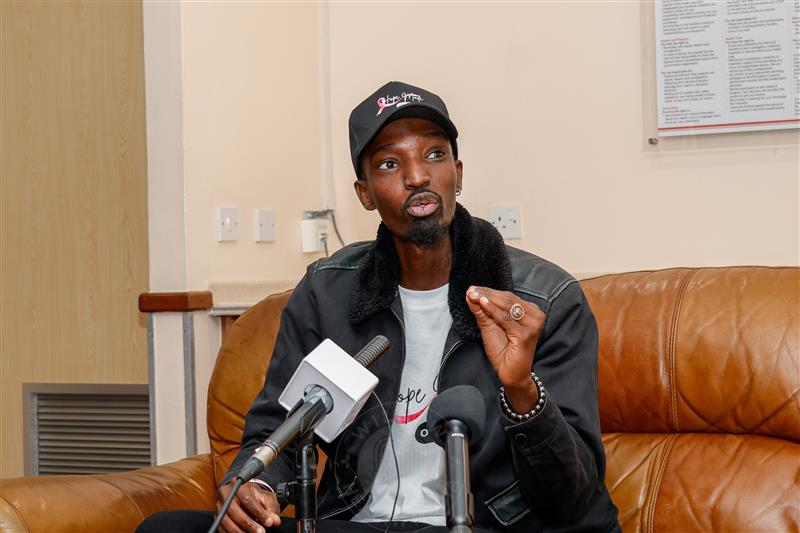
“I went through chemotherapy and radiotherapy in 2015,” Tende says. “I lost my salivary glands, my taste buds and part of my voice.”

For the lung cancer, his treatment plan changed. He received targeted therapy and immunotherapy, newer approaches designed to attack cancer cells more selectively than traditional chemotherapy.
“You have to wait five years to be declared cancer-free,” Tende says. “Any time it can come back. That is something people don’t know.”
Today, the roles are reversed. The son now accompanies his father to hospital appointments, offering encouragement to other patients along the way.
“We started talking to people in the waiting area,” Mwakuro says. “We told them to live positively. People started smiling again.”
Unlike the Mwakuro family, Christine (not her real name) discovered her cancer early.
In October 2025, during Breast Cancer Awareness Month, she decided to examine herself.
“I found a lump,” she says. “I went for an ultrasound, a mammogram and a biopsy. They told me it was stage one breast cancer.”
She underwent surgery in December, during which only the lump and surrounding tissue were removed, and was discharged two days later. She is now completing a short course of radiotherapy.
“I was expecting terrible side effects,” she says. “But the nurse told me to eat well, hydrate and exercise; they are not so severe.” So far, she has experienced only mild fatigue. An Oncotype test showed she did not need chemotherapy and will continue with hormone therapy.
“The scariest part is waiting for the biopsy results,” she says. “Cancer is a mental disease. You need a strong support system.”
Previously, prostate cancer patients required up to eight weeks of radiotherapy, but now, some complete treatment in just two weeks
Christine credits her husband and children for accompanying her to every appointment, and her insurance cover for making treatment affordable.
“Cancer is expensive,” she says. “A good medical cover can save your life.”
Her experience highlights a message doctors continue to stress: that early detection saves lives.
“I had never done cancer screening before,” she admits. “I only went because of awareness month.”
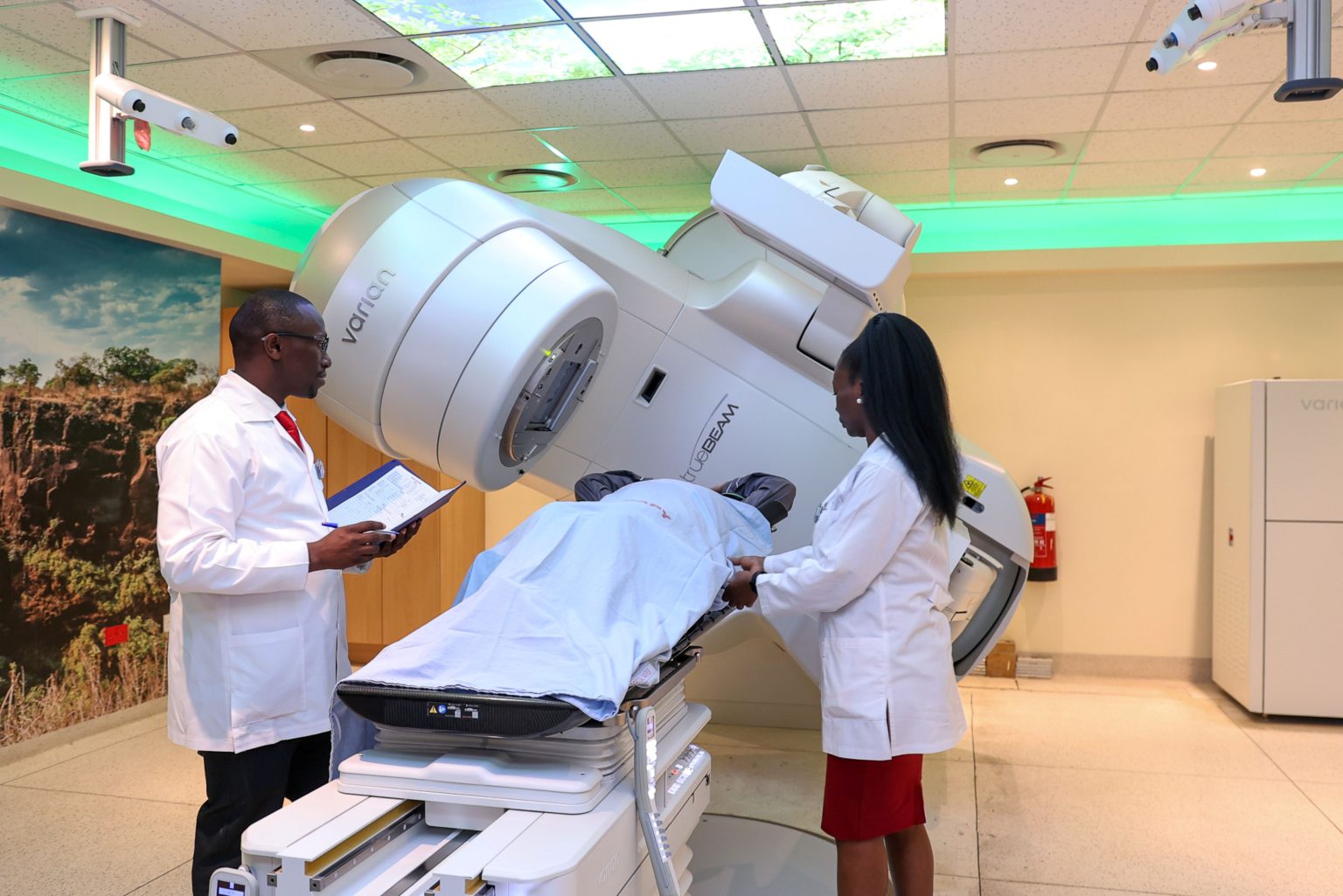
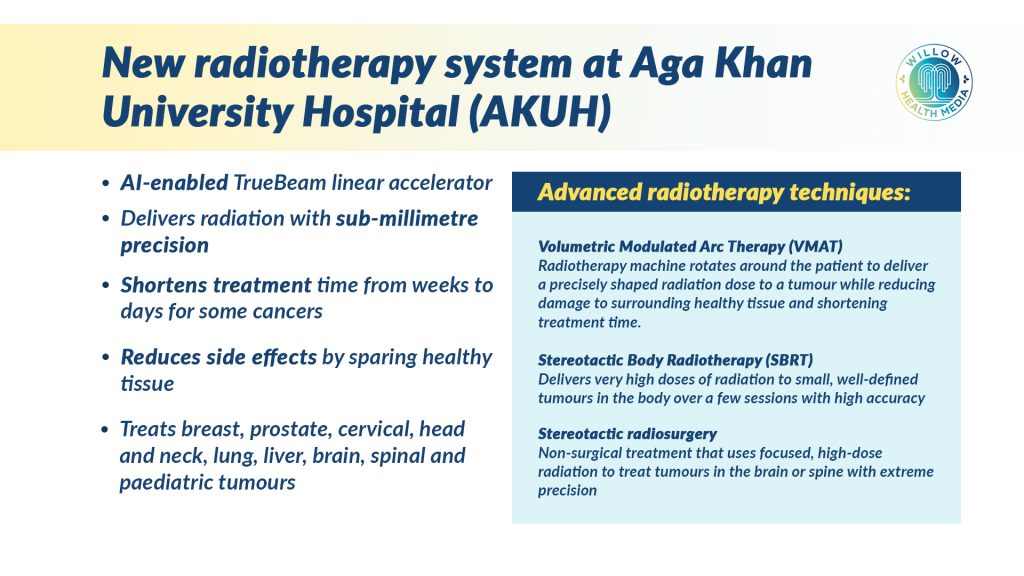
Behind these personal stories is a major shift in radiotherapy delivery in Kenya. In July 2025, the Aga Khan University Hospital installed a next-generation radiotherapy system known as TrueBeam, an AI-enabled linear accelerator developed by Varian Medical Systems.
According to AKUH, the system delivers radiation with sub-millimetre precision, sparing healthy tissue and significantly reducing treatment time.
“This machine represents a major investment in the health of Kenyans,” says Dr Angela Waweru, a consultant radiation oncologist at AKUH.
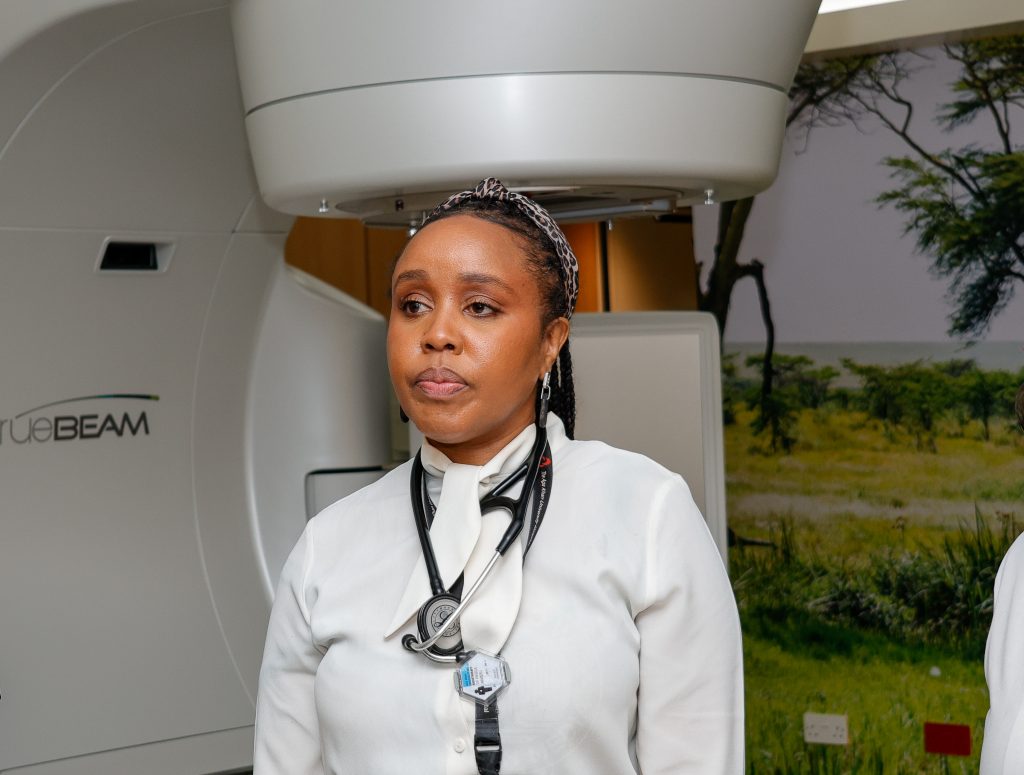
“What it allows us to do is precision and advanced therapy. We can give high doses in short intervals while reducing side effects.”
Previously, prostate cancer patients required up to eight weeks of radiotherapy. With the new system, some now complete treatment in just five sessions over two weeks. Breast cancer patients, who once needed up to six weeks of treatment, can now finish radiotherapy in as little as one week.
“One of the biggest differences is motion tracking,” Dr Waweru explains. “If the patient or tumour moves beyond a few millimetres, the machine stops.”
Earlier machines compensated for movement by treating larger areas, increasing damage to surrounding organs. TrueBeam uses real-time imaging and CT guidance to focus radiation precisely on the tumour.
“This is why we are seeing fewer radiation burns, less diarrhoea and fewer urinary problems,” she says.
TrueBeam technology is rare in Africa, with limited availability in South Africa, Egypt, Nigeria and Kenya
AKUH treats about 50 radiotherapy patients daily using the system, which supports advanced techniques such as Volumetric Modulated Arc Therapy (VMAT), Stereotactic Body Radiotherapy (SBRT) and stereotactic radiosurgery for brain, lung, liver and spinal tumours.
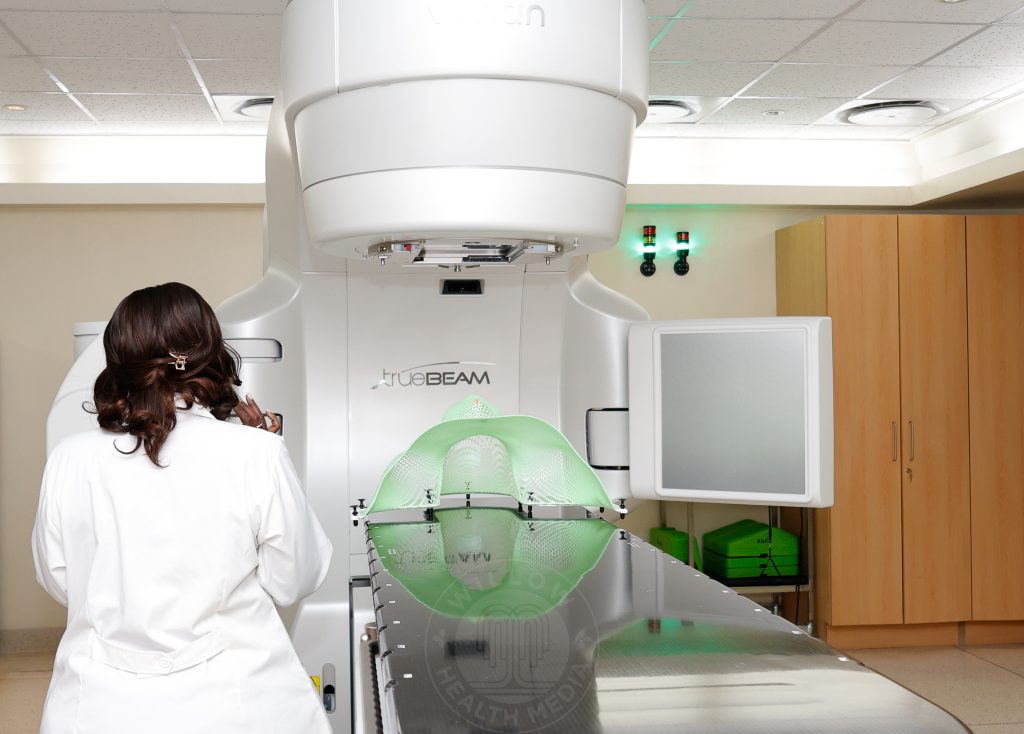
VMAT is a radiotherapy technique where the machine rotates around the patient to deliver a precisely shaped radiation dose to a tumour while reducing damage to surrounding healthy tissue and shortening treatment time. SBRT delivers very high doses of radiation to small, well-defined tumours in the body over a few sessions with high accuracy, while stereotactic radiosurgery is a non-surgical treatment that uses focused, high-dose radiation to treat tumours in the brain or spine with extreme precision.
TrueBeam technology remains rare in Africa, with limited availability in South Africa, Egypt, Nigeria and Kenya.
“Patients no longer need to travel abroad for world-class treatment,” says AKUH CEO Rashid Khalani. “They can access it locally.”
For Mwakuro, the contrast between his wife’s death in 1993 and his own experience three decades later is striking. “Then, services were not there. Now the machine is precise. The side effects are less,” he says.
Christine, too, is hopeful as she completes her final sessions. “I was afraid,” she says. “But I am grateful it was caught early, and that treatment is easier than before.”
Doctors caution that technology alone is not enough. Awareness, screening, and emotional support remain essential.
“When you hear there is free cancer screening, go,” Tende urges. “Like people go to donate blood.”
For families like the Mwakuro’s, modern radiotherapy has not erased the pain of cancer, but it has transformed survival.
“I don’t think every day that I will die,” Mwakuro says. “I sleep positively. I have seen my son survive. So I believe I will also survive.”
As Kenya continues to invest in modern cancer care, stories like theirs show that while cancer remains a difficult diagnosis, it is no longer always a death sentence, and for many patients, the future holds more hope than fear.
Graphics by Brian Wekesa.
We believe in the free flow of information
Republish our articles for free, online or in print, under Creative Commons licence.