


A cough and numbness led to panic, paralysis and a polymyositis diagnosis, a rare disease where the immune system attacks the body’s own muscles.
When Shannon began complaining about numbness in her legs, her mother dismissed it as something minor.
“I thought it was the ‘kawaida kuganda mguu’ (the normal pins and needles),” she recalls. “She always had cold allergies. I didn’t think it was something serious.”
But within weeks, what started as persistent coughing and mild numbness would spiral into paralysis and panic. What followed was a desperate international search for answers for Saetwa Saitoti and daughter, Shannon’s rare autoimmune disease, which almost stole her ability to walk.
It all started when Shannon joined boarding school in mid-2024 and shortly developed prolonged cold-like allergies. Symptoms ranged from coughing, red eyes and shivering, which she had experienced as a child but had outgrown the allergies.
So, when the school nurse called requesting that she pick Shannon up, Saetwa was not alarmed.
Saetwa recalls: “I gave her antihistamines like I always used to. By 3pm, the coughing had stopped. She looked better.”
But Shannon also mentioned something new.
Shannon said, ‘I can’t move.’ She stood up and fell like a mannequin
“She told me she’d been having numbness in her legs. I asked her, ‘Are you sitting too long? Are you exercising?’
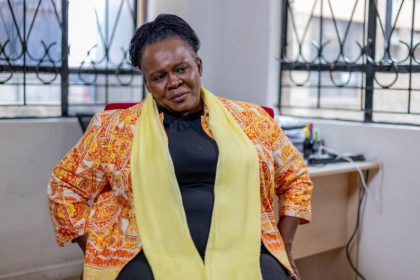
Saetwa advised her to finish exams before seeking further care. But days later, everything changed when school closed, and she found Shannon seated, unable to move.
“I sent her to pick something. She wasn’t moving. I thought she was being rude,” Saetwa recalls. “Then she said, ‘I can’t move.’ She stood up and fell like a mannequin.”
The numbness had spread from mid-thigh to her toes. Soon, she could no longer stand from a seated position. She struggled to climb stairs. Eventually, she needed help walking to class.
“I heated hot water and put her feet in it. She couldn’t feel anything, and I was burning. That’s when I knew, this is not normal.”
Despite worsening weakness, some medical visits yielded little clarity.
“One doctor told me it was psychological,” said Saetwa. “Another said maybe it was arthritis. But she had no joint pain.”
Autoimmune diseases occur when the body’s immune system attacks its own tissues
An EEG (electroencephalogram) later suggested seizure activity, and medication was prescribed. An EEG is a non-invasive test that records the brain’s electrical activity using small electrodes placed on the scalp, often used to detect seizures or other abnormalities in brain function. The medication came with its own risks.
“I felt like they were guessing,” said Saetwa. “I was so stressed.”
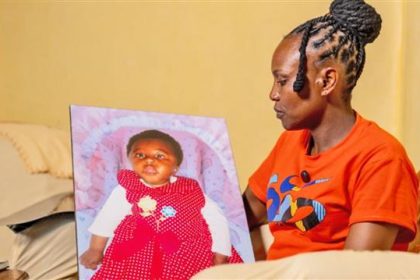
Autoimmune diseases occur when the body’s immune system mistakenly attacks its own tissues. According to global health data, autoimmune disorders affect an estimated five to eight per cent of the population, with more than 80 identified types. Many disproportionately affect women and girls.
Shannon was experiencing symptoms like progressive muscle weakness, difficulty climbing stairs, and the inability to lift objects, which were classic red flags for inflammatory muscle disease. But it took months before the correct diagnosis emerged.
After a spinal tap and multiple inconclusive investigations, the family consulted doctors abroad via telemedicine. An initial suspicion was transverse myelitis, an inflammatory spinal cord condition.
With Shannon now in a wheelchair, her mother made a decision which included “Going to India. I didn’t even have all the money. I just had faith.”
Inside three days in India, and doctors reached a diagnosis: polymyositis
She organised four fundraisers. At the height of stress, she mistakenly sent nearly Ksh200,000 air-ticket money to the wrong recipient. Recovering it had to involve fraud investigators. “I was confused. I was having panic attacks. Heart palpitations. But I had to keep going.”
Inside three days in India, doctors reached a diagnosis: polymyositis.
“Polymyositis is an inflammation of the muscles,” Saetwa explains. “That’s why she couldn’t stand, couldn’t climb stairs, couldn’t hold a mug.”
Polymyositis is a rare autoimmune inflammatory myopathy where the body’s immune system mistakenly attacks its own muscles, causing inflammation, weakness, and difficulty with movements like standing, climbing stairs, or lifting objects. It causes chronic muscle inflammation and progressive weakness. It most commonly affects adults but can occur in adolescents. Symptoms often worsen in cold weather and may follow infections.
If not treated, the disease can make it very hard for someone to move and live normally. Treatment usually includes medicines that calm the immune system and reduce inflammation, together with regular physical therapy to help rebuild strength.
Shannon underwent an intensive month-long treatment regimen that combined several therapies, including IV treatments to regulate her immune system, daily physiotherapy to strengthen and stimulate her muscles, oxygen-based therapies, stem cell procedures, bone marrow–related treatment and a carefully controlled diet.
I told the doctor, There’s no way I’m going back to Kenya if she’s not walking
“The first few weeks were very painful,” her mother recalls. “She would cry. I would cry. We both had panic attacks. It was physically and emotionally exhausting.”
But progress came.
“I told the doctor, ‘There’s no way I’m going back to Kenya if she’s not walking.’ Five days later, she walked into my room.”
It happened on Saetwa’s birthday.
“The nurse knocked and said, ‘Mama, I have a surprise.’ Shannon was walking. I cried. The hospital even brought a cake.”
After additional days of treatment and a payment plan agreement with the hospital, they returned to Kenya. Shannon was not in a wheelchair.
Today, Shannon continues physiotherapy and follows a structured anti-inflammatory diet. She can lift 7.5 kilograms at the gym and walk long distances.
“When it’s very cold, she still feels some weakness. But it’s nothing like before.”
The journey changed her mother profoundly.
“It taught me patience. Endurance. I learned to protect my mental health. I learned to put people where they belong. Keeping positivity close, negativity far.”
Many autoimmune disorders are difficult to diagnose early as symptoms mimic other conditions
She also discovered that many autoimmune patients are misdiagnosed or dismissed.
“I’ve met so many people who were told it’s psychological. Autoimmune diseases don’t always show in tests immediately. Sometimes it takes years.”
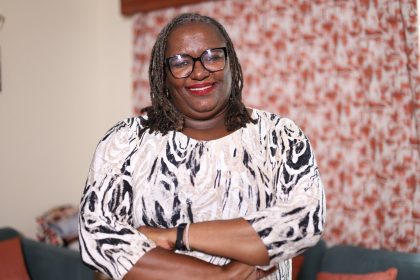
Research supports this concern. Many autoimmune disorders are difficult to diagnose early because symptoms mimic other conditions, and standard laboratory markers may initially appear normal. Delayed diagnosis is common globally.
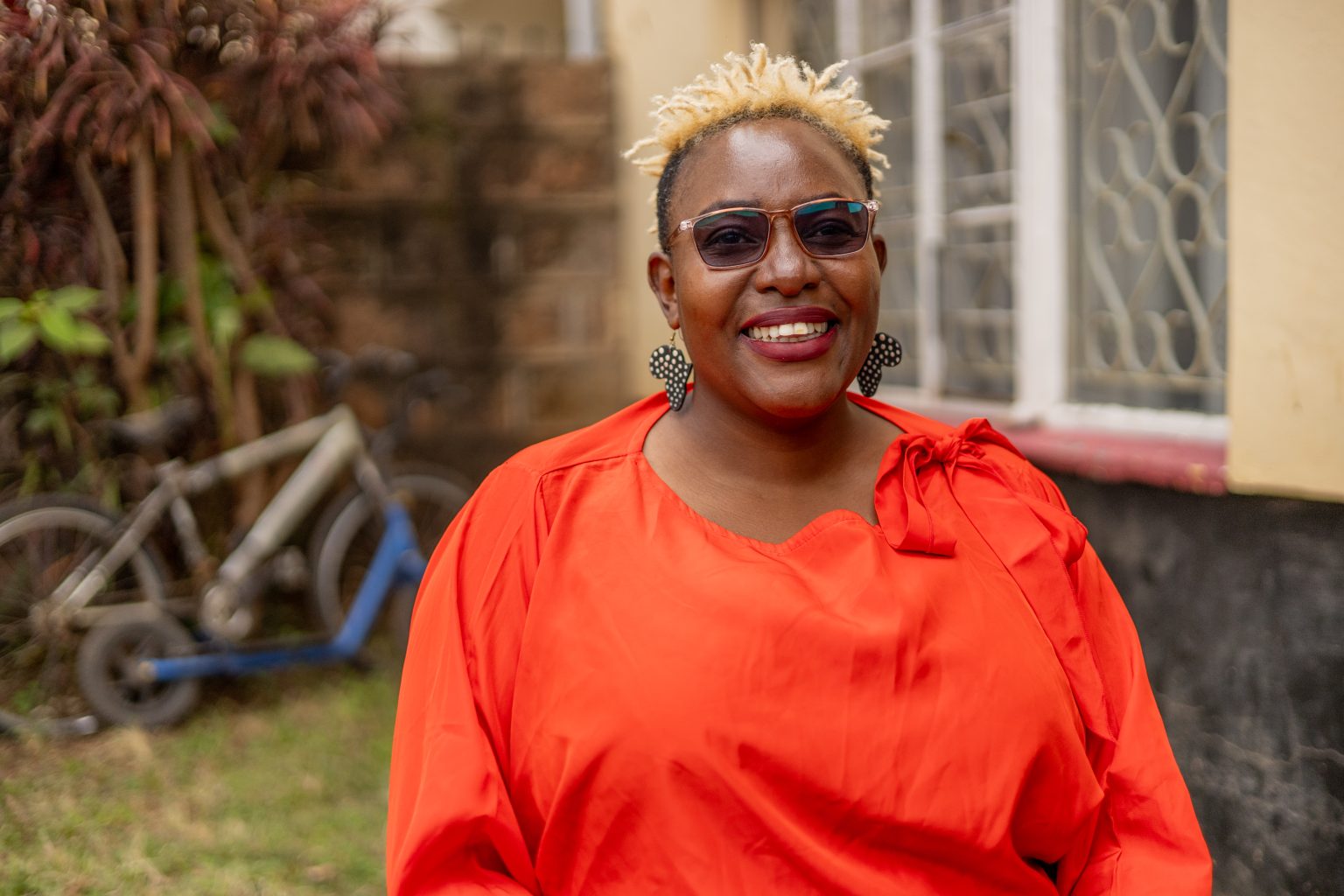
Motivated by her experience, she founded Autoimmune Diseases Support Group Kenya to raise awareness and connect patients.
“People don’t even know what a rheumatologist is,” she says. “If I had known, that is the first doctor I would have seen.”
Rheumatologists specialise in autoimmune and inflammatory diseases affecting joints, muscles, and connective tissues, including polymyositis.
She now urges parents and caregivers to watch out for early warning signs such as progressive muscle weakness, difficulty standing up from a seated position, trouble climbing stairs, weak grip strength, and ongoing, unexplained fatigue.
Exact cause of polymyositis is unclear, but experts finger genetic susceptibility and environmental triggers
“Shannon started with what looked like simple allergies,” she says. “But when symptoms persist or keep getting worse, we need to take them seriously.”

The exact cause of polymyositis remains unclear. Experts believe it may involve a combination of genetic susceptibility and environmental triggers such as infections, medications, toxins, or severe stress.
“There are so many possible triggers,” she says. “Genetics, stress, diet, toxins. We may never know.”
While some autoimmune diseases can go into remission, most are managed rather than cured. Long-term care often includes medication, lifestyle adjustments, physical therapy, and monitoring for complications.
Looking back, she believes knowledge would have changed everything.
“If I knew more about autoimmune diseases, I would have heard her hints. I would have acted faster.”
But she also believes the experience had purpose.
“Maybe I had to go through this so I could help someone else. Everything happens for a reason.”
Today, she continues learning, advocating, and supporting other families navigating rare and misunderstood conditions.
And Shannon?
“She’s strong,” her mother says softly. “Stronger than I ever imagined.”