
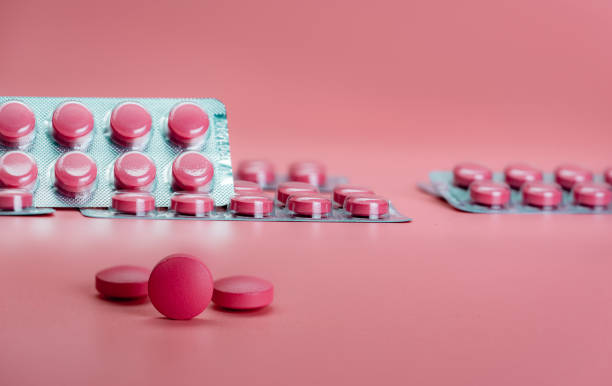

Patients who self-medicate often use strong painkillers to hide early symptoms, delaying diagnosis, allowing disease to worsen, limiting treatment options and making care very expensive.
Across Kenya, from bustling cities to rural villages, a dangerous habit of self-medication has taken hold. People are bypassing doctors to treat themselves with unprescribed drugs like amoxicillin or painkiller cocktails, putting their health at significant risk.
In this culture of ‘over the counter’ expertise, ibuprofen, for instance, has evolved from a basic anti-inflammatory medication into a cultural phenomenon and viral amusement. What started as a household painkiller for physical ailments has become the nation’s go-to ‘prescription’ for psychological and social discomfort.
Local entertainers have since turned this common African parental practice of dispensing painkillers for every complaint into viral comedy where “kunywa Brufen” (take ibuprofen) now functions as a blunt social diagnostic tool prescribed sarcastically to silence critics or those suffering ‘social heartburn’ from another’s success.
In this fixation with ‘symptom-management’, the “brufen meme” has become a versatile tool for ending debates, telling those with elevated ‘pressure’ to self-medicate and move on. While the meme remains playful, it reveals a deep cultural preference for quick, over-the-counter self-care over professional intervention.
The consequences of this habit are sometimes manifested in the young mother who, certain her child had a simple chest infection, bought a ‘cocktail’ of syrups from a local chemist. The child’s symptoms, however, stemmed from an underlying heart condition. The cough syrup masked the signs while worsening fluid build-up in the lungs, leading to a critical emergency-one that could have been avoided with an early, professional diagnosis.
Patients who self-medicate are likely to purchase counterfeit products from unlicensed outlets
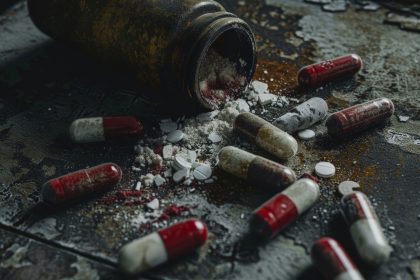
Further compounding the danger, in April 2025, the Pharmacy and Poisons Board (PPB) mandated a recall of several substandard and falsified drugs found in the market, including batches of Augmentin and certain paracetamol injections. Patients who self-medicate are more likely to purchase these counterfeit products from unlicensed outlets, dramatically increasing the risk of treatment failure.
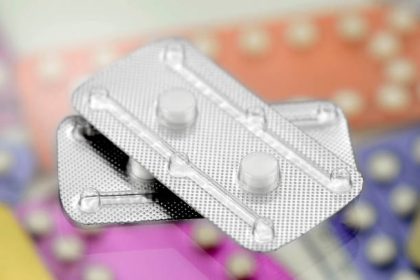
In Kilifi County, a couple recently endured a harrowing ordeal after their newborn was diagnosed with sepsis, a life-threatening blood infection. They learnt the standard antibiotics initially given were useless-the bacteria were already resistant. Their story reflects a grim reality: drug-resistant bloodstream infections carry significantly higher mortality rates than treatable infections.
As of January 2026, this practice has evolved from a convenient shortcut into a full-blown national health crisis. Global projections indicate that antimicrobial resistance (AMR) could cause 39 million deaths worldwide between 2025 and 2050 if current trends continue, with sub-Saharan Africa facing a disproportionate burden due to the widespread misuse of life-saving drugs.
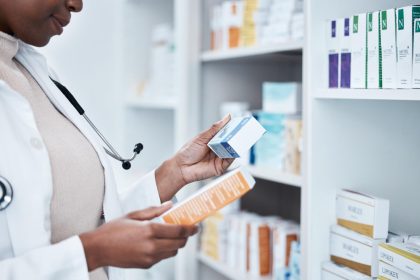
Long queues in public hospitals, distance to clinics, drive patients to the nearest chemist
The roots of self-medication in Kenya are complex, weaving together economic necessity and systemic gaps in healthcare. Here are a few reasons:
Economic barriers: For a family in an informal settlement like Kibra, the cost of a private clinic consultation and subsequent lab tests is a powerful deterrent. Researcher Irfan A. Rather and colleagues examined self-medication and its impact on antibiotic resistance. Their research, published in the Saudi Journal of Biological Sciences in 2017, noted that individuals in low-income countries often procure antibiotics from unlicensed vendors without prescriptions. These medications are often sold as single ‘affordable’ pills, a practice that is medically hazardous and contributes to the growing crisis of antibiotic resistance.
The convenience trap: Long queues at public hospitals and the distance to proper facilities drive patients to the nearest chemist. Researcher Abdullah Alomoush and colleagues studied self-medication among university students. Their study, published in the Iranian Journal of Nursing and Midwifery Research in 2024, found that 75 per cent of the 817 respondents bypassed professional advice due to past successful self-treatment, perceived minor nature of ailments, or barriers to accessing formal healthcare facilities.
Digital misinformation: The rise of “Dr Google” and unregulated health advice on social media has convinced many that they can diagnose complex conditions themselves. This is not a victimless convenience; it is a high-stakes gamble with severe biological and systemic consequences.
One devastating effect of self-medication is the delayed diagnosis of life-threatening conditions like cancer. Many Kenyans mask early warnings, persistent pain or unusual lumps, with strong painkillers. By the time the pain becomes unbearable, the disease has often progressed to a late stage where treatment options are limited and exorbitantly costly.
When a patient stops antibiotics course early, they create a ‘training camp’ for bacteria
Without professional guidance, dangerous chemical interactions occur. Combining blood thinners like aspirin or clopidogrel with warfarin dangerously increases the risk of internal bleeding. Taking antibiotics like ciprofloxacin with dairy products can inhibit absorption, rendering the treatment ineffective if proper intervals aren’t observed.
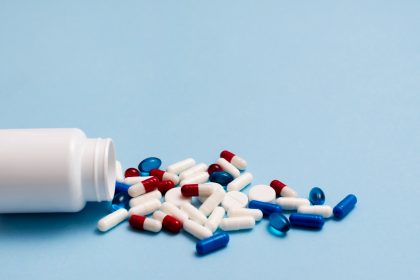
Then there is antimicrobial resistance (AMR), which is now a burgeoning reality in Kenya’s wards and households so much so that in December last year, health officials warned that the festive season, a peak time for unregulated drug sales, was fuelling a ‘silent pandemic’. The circulation of counterfeit medication and the habit of buying drugs without prescriptions are eroding the efficacy of our most trusted medicines.
When a patient stops an antibiotic course early, they create a ‘training camp’ for bacteria. The weaker germs die, but the stronger, resistant ones survive and multiply.
Recent research shows that ceftriaxone, a powerful injectable antibiotic used for severe infections like meningitis, is becoming less effective. In a 2024 study on how misuse of ceftriaxone drives bacterial resistance in hospitals and published in the Archives of Pharmacy and Pharmaceutical Sciences, researcher L. F. Abrantes and colleagues found a direct connection between its wrong usage and increased bacterial resistance. As a result, resistance levels for common disease-causing bacteria have reached as high as 60–70 per cent in some hospitals, creating a major challenge for treating patients.
The impact extends beyond health. As first-line treatments fail, patients are forced onto more expensive ‘Watch’ and ‘Reserve’ category drugs, which often have more severe side effects. This also strains national budgets, as resistance to medications for HIV and TB forces constant revisions to standard care protocols.
In a disturbing trend, many have turned to potent medical creams for cosmetic skin lightening
Furthermore, the overuse of antibiotics in livestock and agriculture creates a cycle of resistance that enters the human food chain, a critical One Health concern.

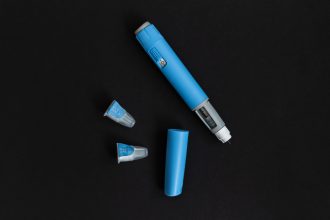
The crisis extends beyond antibiotics. In August 2025, the PPB issued an alert on the dangerous rise of off-label drug use, specifically highlighting drugs like semaglutide. Originally for Type 2 diabetes, it has surged as a miracle weight-loss tool, leading to severe complications like intestinal blockages, eye conditions, and dangerous hypoglycaemia in non-diabetics.
In a particularly disturbing trend, many have turned to potent medical creams like Epiderm or Clozole B for cosmetic skin lightening. Using these high-potency corticosteroids over large areas for lengthy periods causes irreversible damage: thinning skin, visible blood vessels, and severe acne.
The most lethal danger is percutaneous absorption. The steroids seep into the bloodstream, tricking the body into shutting down its natural cortisol production. Suddenly stopping the cream can trigger an adrenal crisis characterised by collapse, vomiting, and potentially sudden death. Conversely, prolonged use can cause ‘medical’ Cushing’s syndrome, with symptoms like facial swelling and rapid weight gain.
Self-medication may seem like an easy fix, but future price is in lives lost, economic burden
These products remain available because they are legitimate medicines for specific conditions. The danger arises when chemists sell them for “complexion toning” without a diagnosis.
Addressing this requires a systemic shift in how medicine is accessed and perceived:
Strict regulation: The Government must enforce the ban on dispensing “Prescription Only” medicines over the counter and strengthen surveillance.
Public education: National campaigns must emphasise that “medicine is not a commodity” and explain the critical “why” behind prescriptions, such as completing a full antibiotic course.
Healthcare accessibility: Strengthening Universal Health Coverage (UHC) is vital to make professional consultation more affordable and accessible than a random pill from a kiosk.
Standardised waste disposal: New rules for pharmaceutical waste are needed to prevent leftover medicines from polluting water and breeding resistant bacteria.
For Individuals:
- Complete the dose: Finish the full prescription even if you feel better.
- Avoid ‘cocktails’: Never accept a mix of unlabelled pills from a chemist.
- Report quacks: Use official PPB channels to report outlets illegally selling prescription drugs.
Self-medication signals a serious healthcare problem. It may seem like an easy fix, but the future price-in lives lost and the enormous economic burden- is simply too high. We must act now. To keep our medicines effective, Kenyans must return to seeing doctors and pharmacists first.
Dr Madeline Iseren is a pharmacist and commentator on topical health and medical issues.