Childhood cancers often present with symptoms that mimic common illnesses like persistent infections, unexplained fever, fatigue, paleness, or sudden weight loss.
Every year, about 3,000 children in Kenya are diagnosed with cancer; experts believe it is an underestimate due to underreporting and misdiagnosis.
Childhood cancers, though accounting for only one or two per cent of all childhood illnesses, have a devastating impact when detected late, as many Kenyan children present with advanced disease.
Early diagnosis is the single most critical factor for successful treatment and survival, which can exceed 90 per cent for some cancers when caught in time, according to Globocan data.
The types of childhood cancer in Kenya mirror global trends. Dr Rose Munge, a Pediatric Haematologist and Oncologist at Kenyatta University Teaching, Research and Referral Hospital (KUTRRH), explains: “Leukaemia is highest on the list, followed by brain tumours, then solid organ cancers.”
At Kenyatta National Hospital, the four most commonly seen childhood cancers are leukaemia (primarily Acute Lymphoblastic Leukaemia and Acute Myeloid Leukaemia), Lymphomas (like Burkitt lymphoma and Hodgkin lymphoma), Wilms tumour (a kidney cancer), and Retinoblastoma (an eye cancer).
Early detection improves outcomes, with some solid tumours curable by surgery alone
Other common cancers include neuroblastoma, low-grade glioma (brain tumour), and various solid organ cancers.
Unlike adult cancers, childhood cancers often present with symptoms that mimic common illnesses like persistent infections, unexplained fever, fatigue, paleness, or sudden weight loss. For brain tumours, key signs can include headaches, seizures, or behavioural changes.
Dr Munge advises that “These signs could be caused by many illnesses, but the difference with cancer is that they don’t go away.”
Early detection dramatically improves outcomes, with some solid tumours being curable by surgery alone if caught early. However, a major challenge is that symptoms and lab results are often mistaken for simpler conditions like anaemia at lower-level health facilities, leading to dangerous delays.
The pathway to care is crucial. Once cancer is suspected, children must be referred directly to specialised centres. Dr Munge stresses that “Cancer treatment must be done in a setting that has the right expertise and equipment. Treating a child in a facility without the required resources greatly reduces their chances of recovery.”
Moving from one lower-level facility to another delays treatment, worsens outcomes
In Kenya, specialised childhood cancer care is provided by both public and private hospitals. Key public facilities include Kenyatta National Hospital (KNH), Kenyatta University Teaching, Research and Referral Hospital (KUTRRH), and Moi Teaching and Referral Hospital (MTRH), which offer the full range of treatments like surgery, chemotherapy, and radiotherapy.
Major private and faith-based providers, such as Gertrude’s Children’s Hospital, Aga Khan Hospital, and MP Shah Hospital, also deliver comprehensive pediatric oncology services.
Moving from one lower-level facility to another delays treatment and worsens outcomes. Parents should insist on direct referral to these specialised centres.
Treatment typically involves chemotherapy, surgery, radiotherapy or a combination. The Social Health Authority (SHA) covers a substantial portion of costs, including diagnostics, surgery, and chemotherapy.
Comprehensive childhood cancer care in Kenya extends far beyond medical treatment to include nutritional support, psychological and spiritual care, play therapy, physiotherapy, pain management, and psychosocial support for the entire family. After treatment, survivors are monitored for at least five years to check for relapse and manage any long-term side effects on organs like the heart or kidneys.
If your child keeps getting sick without answers, get a second opinion, third or fourth opinion
Public misunderstanding remains a significant barrier. Harmful myths that cancer is contagious or a spiritual curse can delay care and stigmatise families. Dr Munge clarifies an important truth: “There is usually nothing a parent did or didn’t do to cause cancer.”
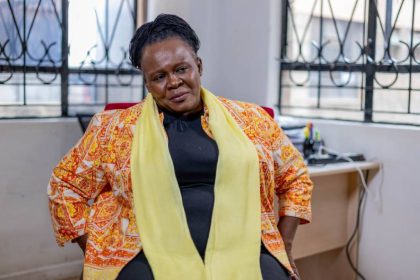
The overriding message from specialists is one of hope. Dr Munge urges vigilance: “If your child keeps getting sick and you’re not getting answers, get a second opinion, a third, a fourth. Early detection makes the difference. And when you get a diagnosis, there is hope.”
In Kenya, survival rates for childhood cancer are significantly lower than in Western countries. For the common Acute Lymphoblastic Leukaemia (ALL), the rate is 70-80 per cent, compared to over 90 per cent abroad. For Acute Myeloid Leukaemia (AML), it is 30-35 per cent in Kenya versus 70 per cent elsewhere, according to Globocan data.
Overall, the childhood cancer survival rate in Kenya is estimated at 20-30 per cent, with some sources indicating it could be as low as 10 per cent or one in 10 children. By comparison, high-income countries achieve 80-90 per cent overall survival.
The World Health Organization’s (WHO) Global Initiative aims to raise global survival rates for six highly treatable cancers to at least 60 per cent by 2030. These six types, including ALL and Wilms tumour, account for 50-60 per cent of all childhood cancers worldwide.
This explainer was first published by Willow Health Media on December 22, 2025.