


Dr Andrew Owuor, a chest specialist and Acting Head of the Respiratory Unit at Kenyatta National Hospital, speaks with Dr Mercy Korir about the devastating impact of tobacco on lung health, the complexities of quitting nicotine addiction, and the support available to smokers seeking cessation or harm-reduction options.
Dr Mercy Korir: From your clinical practice, what are the most common respiratory conditions you see directly linked to tobacco use?
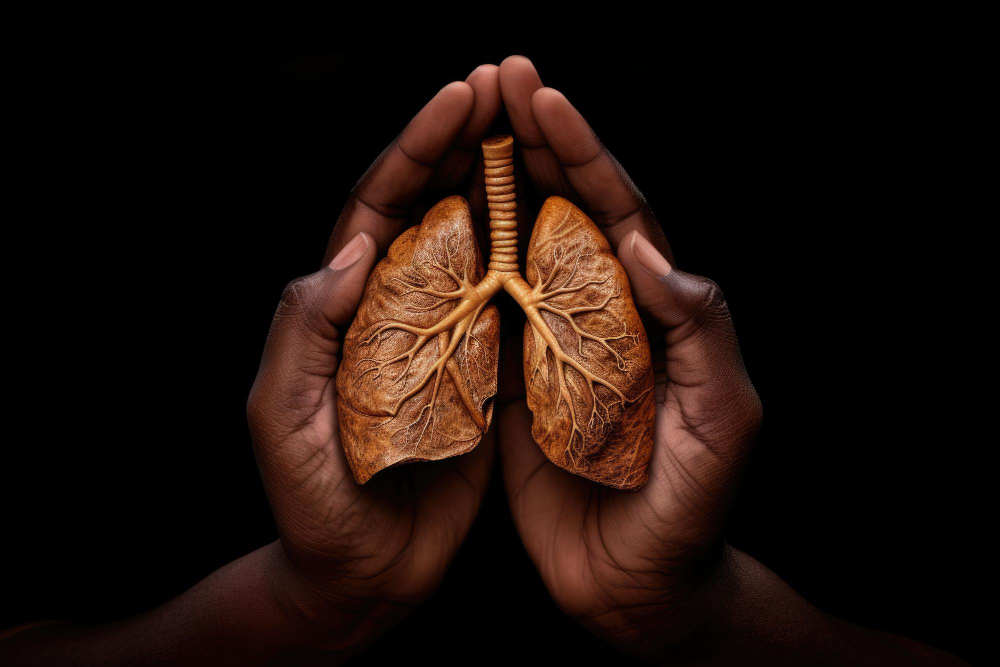
Dr Andrew Owuor:The most common condition is chronic obstructive pulmonary disease (COPD), which appears in two forms: Emphysema and chronic bronchitis. This disease causes direct lung injury from smoking and progressively worsens over time, leading to disability and death.
Most treatments only address symptoms, and we don’t yet have good therapies to stop the disease. Lung cancer is the deadliest cancer worldwide, with 90 per cent of cases globally attributed to tobacco smoking.
Beyond these major conditions, smoking exacerbates asthma, making it worse and harder to control, and increases respiratory infections by damaging the cilia—hair-like structures in the airways that help remove toxins. This damage puts smokers at higher risk of pneumonia, viral infections, including Covid-19, and even tuberculosis.
Can you describe the physical toll tobacco takes on the lungs and respiratory system?
Picture this: In the Kenyan context, the typical COPD patient is middle-aged, elderly or 40 years and above, usually male, with a long history of smoking cigarettes or other forms of tobacco like rolled leaves or cannabis.

They present with a persistent “smoker’s cough” and profound breathlessness. Simple activities like climbing stairs, walking up a hill, or even reaching the bus stop become ordeals that require multiple rest breaks.
Here’s the cruel reality: Your organs can drop from 100 per cent function to about 40 per cent with almost no symptoms because the body compensates. Symptoms only manifest at the breaking point. Some patients don’t realise the severity until they develop heart failure with leg swelling, only to discover their lungs have been failing for years and now their heart is struggling too.
And let’s be honest, most patients are men, and men have terrible health-seeking behaviour. We don’t seek help unless we think we’re really going to die.
What does patient care look like for someone presenting with advanced tobacco-related respiratory disease?
The first principle is empathy. These patients often face labelling and judgment because they’ve been smoking, so being empathetic is crucial.
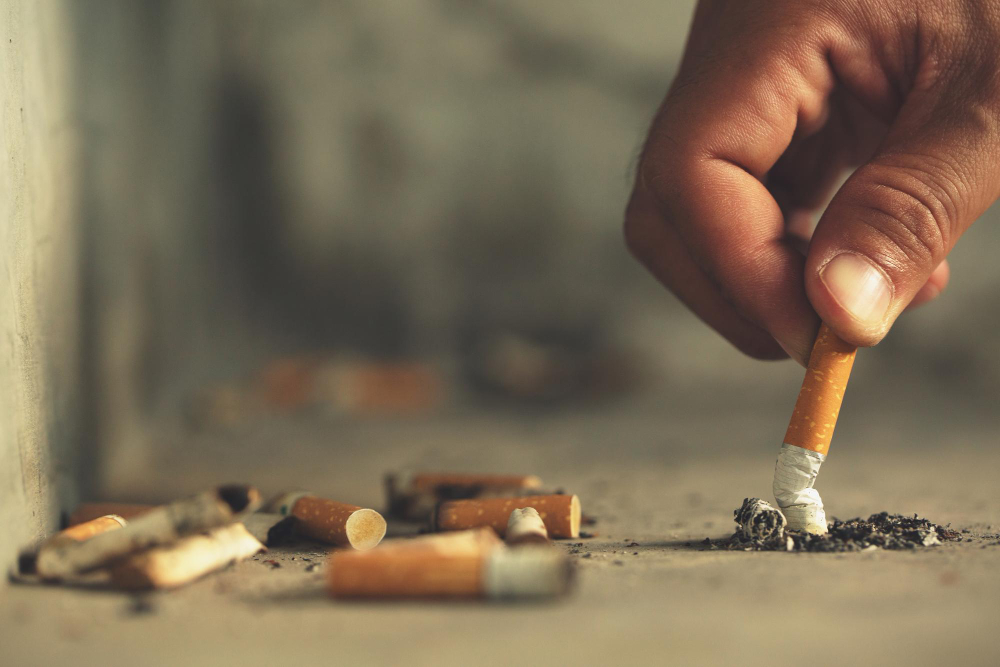
The clinical approach involves four steps, including comprehensive history-taking to identify comorbidities, especially heart problems that often accompany lung disease. Then there’s a physical examination involving a thorough chest and general exam; next is imaging, where chest X-rays or CT scans are used to reveal structural changes. At this stage, emphysema patients show hyperinflated lungs with visible cysts. Lastly are lung function tests, which are mandatory for all COPD patients. These tests reveal the specific problem and its severity.
Treatment is symptom-driven because few patients care about disease names; they want to feel better. For chronic bronchitis, the mainstay is steroid inhalers and bronchodilators that open airways narrowed by inflammation. For emphysema, bronchodilators alone help manage the profound breathlessness.
How do you approach conversations with patients about quitting tobacco use, and what challenges do you encounter?
The conversation must be empathetic, especially when discussing smoking cessation with someone who’s had this habit for most of their adult life. Stopping smoking slows lung destruction and improves outcomes across the body, not just the lungs.
Here’s what’s interesting: By the time respiratory specialists see patients, many already have self-awareness. Some have already quit; they arrive saying they stopped last week or three months ago. When you’re already sick, your symptoms become powerful motivators.
Patient groups typically fall into four categories: Those who’ve already stopped, those still smoking but are considering quitting, those unaware that smoking is the problem, and those trying but are unable to quit. The most difficult cases are healthy people without symptoms who are addicted and want to quit. But for those already feeling the effects, their difficulties often motivate change.
In your view, how can tobacco harm reduction strategies support clinical outcomes for patients who are unable or unwilling to quit immediately?
The approach starts with agreeing to reduce. If someone smokes 20 cigarettes daily, can we reduce that over the next two months? Since nicotine addiction is key, it’s important to address other nicotine sources such as tea and coffee. Notice how many smokers love tea? They drink tea, then smoke, or vice versa. Visit Monrovia Street near Tea Room (in Nairobi’s CBD), and you’ll see matatu drivers and touts in this pattern.

There are typically four cessation methods: First is cold turkey, where the patient stops suddenly. They will have withdrawal symptoms, and some patients manage these on their own. Second is nicotine replacement therapy using gum, patches, or nicotine sprays dosed according to cigarette consumption. Heavy smokers get 21mg patches or 21 pieces of gum daily, although patches are more convenient and discreet.
Next are prescription medications such as Bupropion (Zyban) and the newer, better varenicline, which work on the brain to minimise cravings. The challenge is that these medications cost more than the cigarettes themselves.
Lastly, we have harm-reduction strategies such as e-cigarettes, vapes, and pouches, which offer alternatives for patients unwilling to stop immediately. Harm reduction is valuable for select people who want to continue some form of use. It’s a step down, but not perfect. These alternatives don’t eliminate respiratory infection risks.
What role should healthcare providers play in tobacco cessation and harm reduction efforts?
Currently, there are virtually no services for people trying to stop smoking. An evaluation found this gap, so efforts are underway to establish smoking cessation services.

Healthcare workers need empowerment in what’s called the “5 As” of cigarette smoking cessation: healthcare providers should ask patients whether they smoke, assess addiction to nicotine, and identify available therapies.
Nicotine replacement therapies are out of reach for ordinary Kenyans, and harm reduction strategies are even more expensive, but there’s progress in that we have recognised it’s a problem.
The goal is that eventually, any health centre visit should include access to tobacco smoking cessation support.
What differences do you observe between patients who quit tobacco and those who continue using it during treatment?
When addressing patients about quitting, especially with family members present who’ve been urging them to stop, empathy becomes crucial. Family members may feel vindicated, leaving the patient feeling isolated with “nobody on my side”.

These older patients often didn’t have the information we have now back in the 60s and 70s. My advice to them? When you see a 17-year-old smoking, give them a piece of your mind, as they don’t know what they’re signing in for.
That said, not everyone wants to stop smoking. Occasionally, a patient will flat-out say “I’m not stopping”. In these cases, you must be empathetic, provide complete information, and explain why quitting matters: It reduces inflammation, improves treatment response, and makes therapies more effective.
For asthmatics who smoke, treatments may simply not work well.
How does tobacco use intersect with other health conditions like diabetes, hypertension, or HIV/AIDS in your patient population?
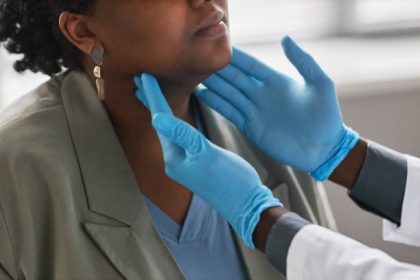
Tobacco’s damage extends far beyond the lungs. Start with cancers: Almost all larynx cancer patients are smokers, and the rate is even higher than lung cancer because smoke passes directly through the voice box. Increased risks include oral cancer, oesophageal cancers, and tracheal cancers due to volatile compounds damaging the protective cilia.
On cardiovascular disease, smoking increases the risk of heart attacks, strokes, and peripheral arterial disease that manifests as leg ulcers or thigh pain from narrowed blood vessels due to inflammation.
Smoking significantly diminishes fertility, especially in women. Lung cilia damaged by smoking can’t remove droplets from the airways, increasing TB infection risk. A significant number of TB patients are smokers, prompting examination of TB comorbidities.
There’s even immediate danger: E-cigarettes and vaping can cause immediate lung failure. I’ve treated two women who required intensive care after vaping; one returned to vaping and experienced lung failure three times before the cause was identified.
What resources or support systems are currently lacking for patients trying to quit tobacco in Kenya’s healthcare system?
Smoking rates in Kenya are under 10 per cent nationally, with the highest in Nairobi and the Central region at about 16 per cent, but the real concern is young people starting to smoke. If we can’t prevent new smokers while caring for existing ones, thousands more will enter the “conveyor belt”, overwhelming the healthcare system.

People who start smoking before age 25, before brain maturation, have a much higher addiction likelihood because the brain normalises nicotine like food, leading to severe withdrawal symptoms when quitting.
Tobacco industry marketing targets teenagers and young adults, not retirees. Get someone at 17, and you have a customer for 40 years. E-cigarettes and vapes are part of harm reduction, but they’re being used by 17-year-olds who think they look cool, not the 65-year-old patients who actually need them.
Laws must be enforceable. Shisha smoking remains illegal, yet people do it. Proposed legislation to sell cigarettes only in packs, preventing high school students from buying single sticks from kiosks, never became law due to tobacco company lobbying. Today, selling single cigarettes to minors remains illegal, but in rural areas, parents and uncles send kids to buy “two or three cigarettes”.
Direct tobacco marketing is banned, but online marketing is almost impossible to enforce. Teenagers can access grey market websites without age verification, and they’re resourceful enough to use their parents’ accounts. Products are sold covertly at retail stores and during events with “cool stuff” salespeople offering free trials.
Flavoured cigarettes like strawberry and vanilla target specific demographics. A 65-year-old doesn’t care about flavours, but younger people do, especially girls who are now picking up smoking because of appealing flavours.
What advice would you give to smokers who want to protect their respiratory health but are struggling to quit?
A colleague, Dr Kariuki, is doing spectacular work on harm reduction by putting information out there that struggling quitters have alternatives, though imperfect.
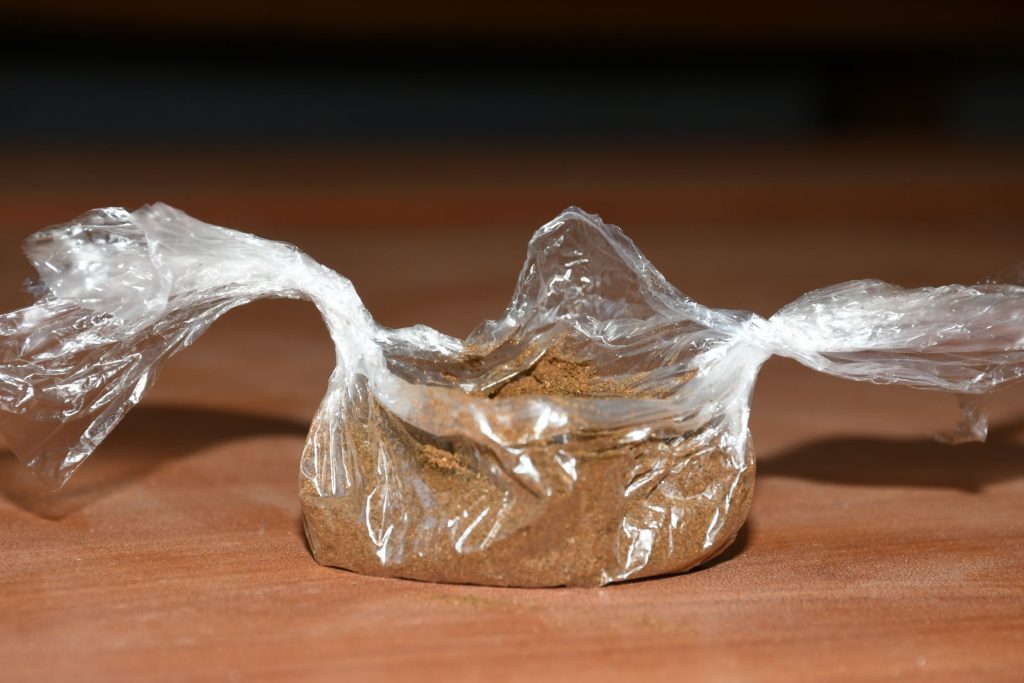
The message is clear but compassionate: Show empathy to people who smoke, especially when they develop respiratory illness. They probably didn’t know the risks at the time.
Be empathetic so patients move to your side, or you move to theirs, to understand where they’re coming from, feel their experience, and learn what they want.
For young people, don’t start smoking. For those already smoking, know there are ways to help you reduce or quit if that’s your goal.
The bottom line? Start by recognising the problem. Seek help. And remember if you develop a smoker’s cough, that’s your body sending signals. Don’t wait until you can barely breathe.
Transcribed by Yvonne Kawira