Kenya’s children pay the price as Gavi audit exposes how shortages and stockouts of lifesaving vaccines resulted from poor financial controls, unsupported and irregular spending of donor funds.
An audit report by Gavi, (Global Alliance for Vaccines and Immunization), in April 2024, shows that Kenya’s Ministry of Health lacked adequate internal controls, governance, and risk management processes for effective utilisation of support towards increasing access to childhood vaccines.
Gavi is an international agency established 25 years ago to improve access to underused vaccines for children in low-income countries in partnership with governments, the World Health Organization (WHO) and UNICEF.
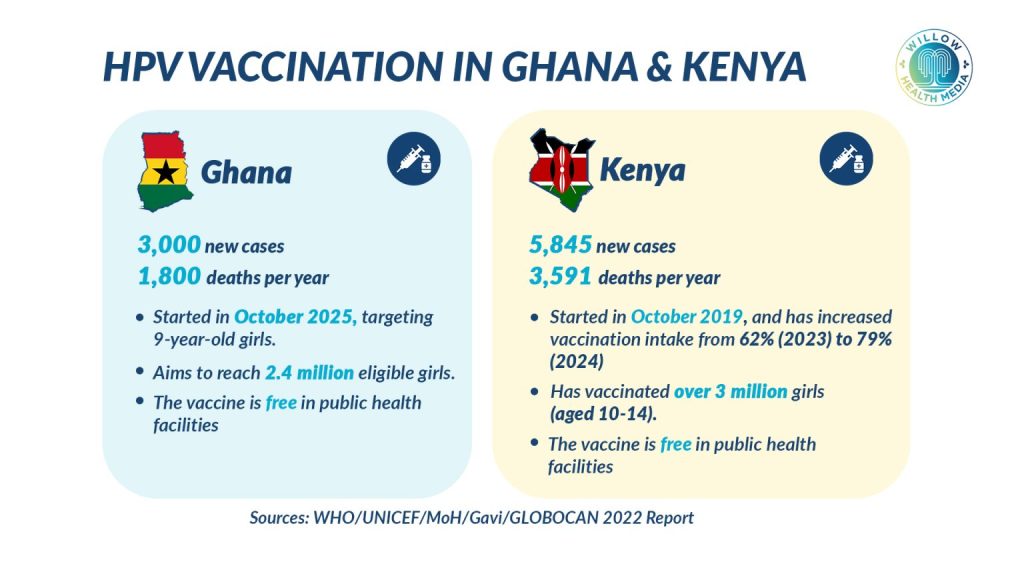
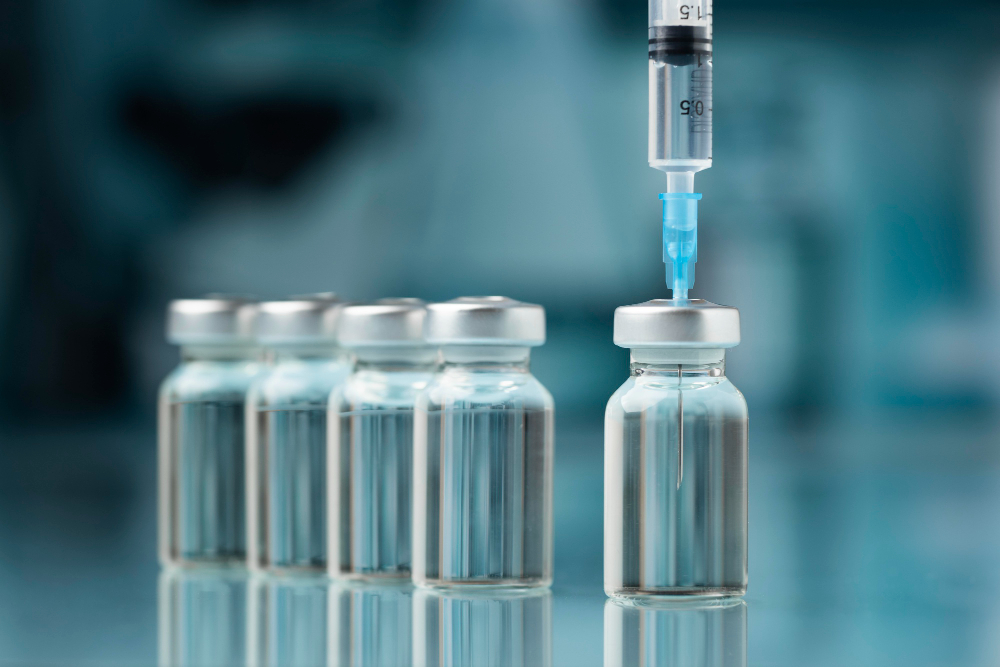
The inadequacy in the management of procured vaccines and shortcomings in honouring procurement pledges partly explain why Kenya has lately been facing infant vaccine shortages and stockouts.
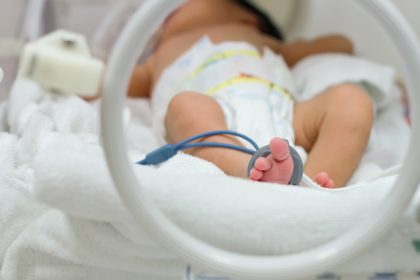
In June 2025, Medical Services PS, Dr Ouma Oluga, acknowledged the country was facing a shortage and stockouts of Bacille Calmette-Guérin (BCG) for TB, Oral Polio and Rotavirus vaccines, which are essential to newborns’ health. At least 6.2 million doses of BCG and polio vaccines were procured in mid-June 2025 to counter the shortage and stockouts.
An earlier audit in 2022 uncovered serious financial management problems, leading to two high-risk recommendations, but no action plan was created to address them.
According to the report, Gavi disbursed $51 million (Ksh6.6 billion) to the National Vaccines and Immunisation Program (NVIP) and various counties through UNICEF and other partners between 2015 and 2021.
Trustees of the Gavi funding did not provide any audit reports as required
Out of the amount UNICEF disbursed, $16.19 million (Ksh2.1 billion)was disbursed to NVIP or directly to the counties, with the audit team reviewing a sample of $3.4 million (Ksh442 million) of the national expenditure.

The audit concluded that $2.32 million (Ksh299.9 million) lacked proper documentation. Of that amount, nearly 98 per cent, was linked to the 2016 Measles-Rubella (MR) campaign, funded in 2015 and closed in 2020.
The report found that trustees of the Gavi funding did not provide any audit reports as required, yet Gavi’s rules state that all cash grants over $250,000 (Ksh32.3 million) must be audited, but no audit was shared for the measles-rubella (MR) campaign.
The audit report also raised issues with poor financial controls, unsupported, and irregular spending. About 89% of allowance payments (Ksh281.8 million) lacked proper proof; only payment sheets were provided, with no attendance records to confirm if volunteers actually worked, while weak oversight by the government and partners led to poor financial management, including staff turnover, poor handovers, and missing documents.
The report also noted that of Ksh446 million (21 per cent of 2015-2021 spending), 68 per cent had no proper documentation or was spent irregularly.
Questioned Money by Auditors
- Inadequately supported: Ksh228,559,112
- Ineligible: Ksh493,500
- Unsupported: Ksh2,876,289
- Irregularly spent: Ksh4,585,690
Total questioned: Ksh236,514,591
Unspent Money at End of 2021
- Health System Strengthening: Ksh723,875,814
- COVID vaccine support: Ksh133,034,444
Total unspent: Ksh856,910,259
Gavi Support to Kenya 2015-2021
- 2015: Ksh7,035,721,700
- 2016: Ksh4,167,999,717
- 2017: Ksh2,544,917,920
- 2018: Ksh2,909,834,025
- 2019: Ksh3,471,772,656
- 2020: Ksh3,726,083,816
- 2021: Ksh19,788,036,415
Total vaccine support: Ksh43,673,748,737
Total of all support: Ksh51,165,547,088
In 2020, Kenya was the third-largest economy in sub-Saharan Africa, just behind Nigeria and South Africa. Its Gross Product per capita for 2021 was estimated at Ksh269,619.
This impacted Kenya’s entry to the Gavi Accelerated Transition Phase as it exceeded the three-year Gross National Income (GNI) average threshold of Ksh214,970 for 2022. In other words, Kenya was no longer a low-income country and thus, from 2020, was ready to be weaned off Gavi support and become self-financing.
Starting June 2024, Gavi’s support to the National Vaccines and Immunisation Programme (NVIP) was channelled through UNICEF, WHO, CHAI, and John Snow. Kenya’s government also makes direct contributions to NVIP through the Ministry of Health, along with the annual co-financing arrangement.
About 96 per cent of the cash grants to the Kenyan government during this audit period were significantly managed by UNICEF. It directly managed the fund along with other UN partners and disbursed the monies to county health departments’ bank accounts.
Financial Problems Found
Inadequately supported expenditures:
- NVIP: Ksh92,933,992
- Counties: Ksh196,713,201
Total: Ksh289,647,194
Irregular Expenditure:
- NVIP: Ksh191,660
- Counties: Ksh5,630,271
Total: Ksh5,811,234
Unsupported Expenditure:
- NVIP: Ksh2,620,691
- Counties: Ksh1,028,408
Total: Ksh3,644,285
The audit report recommended that NVIP strengthen its internal controls over its expenditures, implement an accounting system to accurately record financial transactions, ensure all payments have documented support, and enhance the process of verifying expenditures in line with the national procurement regulations.
The auditors called for regular training and capacity building for counties on financial management and to strictly comply with grant agreements. There was also a need to enhance oversight and monitoring of counties through regular reviews of their financial reports.
Problems at the County
Medical Research Campaign Issues
- Nairobi: Ksh38,407,192
- Kiambu: Ksh25,447,881
- Homa Bay: Ksh25,172,125
- Kakamega: Ksh24,373,250
- Kajiado: Ksh23,682,837
- Machakos: Ksh21,725,260
- National: Ksh74,693,560
The expenditure on Medical Research questioned was blamed on a lack of an accounting system at NVIP. The review of payment vouchers and supporting documents was inadequate.
These events were found to have dented trust and confidence in the implementing entities and the government, negatively impacting the future funding of Gavi. Most of the questionable costs arose due to non-compliance with partnership agreement frameworks on grants.
According to the audit report, the delays and stockouts in vaccines were a result of delayed Health System Strengthening (HSS) activities.
“The implementation of the HSS grant activities for the Gavi 4.0 and 5.0 strategic periods was slow, resulting in multiple amendments of the grant agreement to extend the implementation timeline,” the report reads.
Funds for vaccination programme not used maximally due to inadequate financial procedures
Besides the extended implementation timeline and the COVID-19 effect, Kenya had a cash balance of Ksh723,867,541 (Ksh0.7 billion) by December 2021.
“The overall grant absorption rate for Kenya is 69 per cent as of 31 December 2021, including USD 1.6 million (Ksh206,819,297) reprogrammed for COVID-19 activities. Delays in planning for and implementing activities at the county level resulted in a lengthy turnaround time for liquidating fund advances. The audit team observed that it took an average of 146 days for NVIP to liquidate funds disbursed by UNICEF,” the report stated.
There were also delays of up to 120 days between the NVIP request for funds submission and the date of receipt. NVIP also lacked budget monitoring mechanisms.
These delays resulted in poor health outcomes of targeted populations, as funds meant for the vaccination programme may not be used maximally due to inadequate financial procedures and controls.
Ksh50,000 lunch allowance for supervisors not accompanied by an attendance list
Specific audit queries revolved around the payment of vaccinators and volunteers in all the counties where the programmes were implemented.

Allowances for vaccinators and volunteers during implementation and allowances for vaccinators during the training of volunteers were not accompanied by attendance lists as required.
On May 24, 2016, for example, Ksh1,161,000 used for vaccinators’ implementation work in an unidentified sub-county in Homa Bay did not have an attendance and participants list.
On May 20, 2016, the Ksh50,000 lunch allowance for sub-county team supervisors during implementation in Kasipul sub-county in Homa Bay was not accompanied by an attendance list, just like the Ksh25,000 lunch allowance for drivers.
On April 1, 2018, one attendance list was used for multiple days to back Ksh273,000 expenditure on county supervision and operational level training in Kakamega County.
In 2021, three Ministry of Health staff were paid a Daily Subsistence Allowance (DSA) for 12 days each. However, the motor vehicle tickets only covered four days between April 25 and April 29. This resulted in an overpayment of Ksh159,200.
Counties had unbudgeted expenses, no outreach reports, payment schedules lacked dates
During Periodic Intensification of Routine Immunisation (PIRI) outreaches and County Supervision and Operational level trainings in Kakamega, Homa Bay, Narok, and Nakuru counties, Ksh3,012,486 was not properly accounted for.

There were no outreach reports, payment schedules lacked dates, unbudgeted expenditures were made, and expenditures beyond budgets were executed.
In Kiambu County, Ksh30,000 allowances for opinion leaders were not backed with an attendance register to justify the payments made, just like Ksh72,000 allowances for Health Promotion lacked supporting documents in 2016.
In Kiambu, too, there was a payment of Ksh126,000 allowances for the champion, driver, and guide during the Measles Rubella vaccine campaign in Gatundu South for eight days. There were queries about why a taxi driver was paid Ksh18,000, yet there was a driver who was paid an allowance of Ksh31,000.
There was also no activity report to prove that the activity took place. In other cases of misappropriation of grants, fuel receipts could not be traced to work tickets of the days indicated.
The audit team concluded that suitable corrective actions would be determined and addressed through the establishment of a capacity-building plan to be adopted by the government and Gavi in 2025.