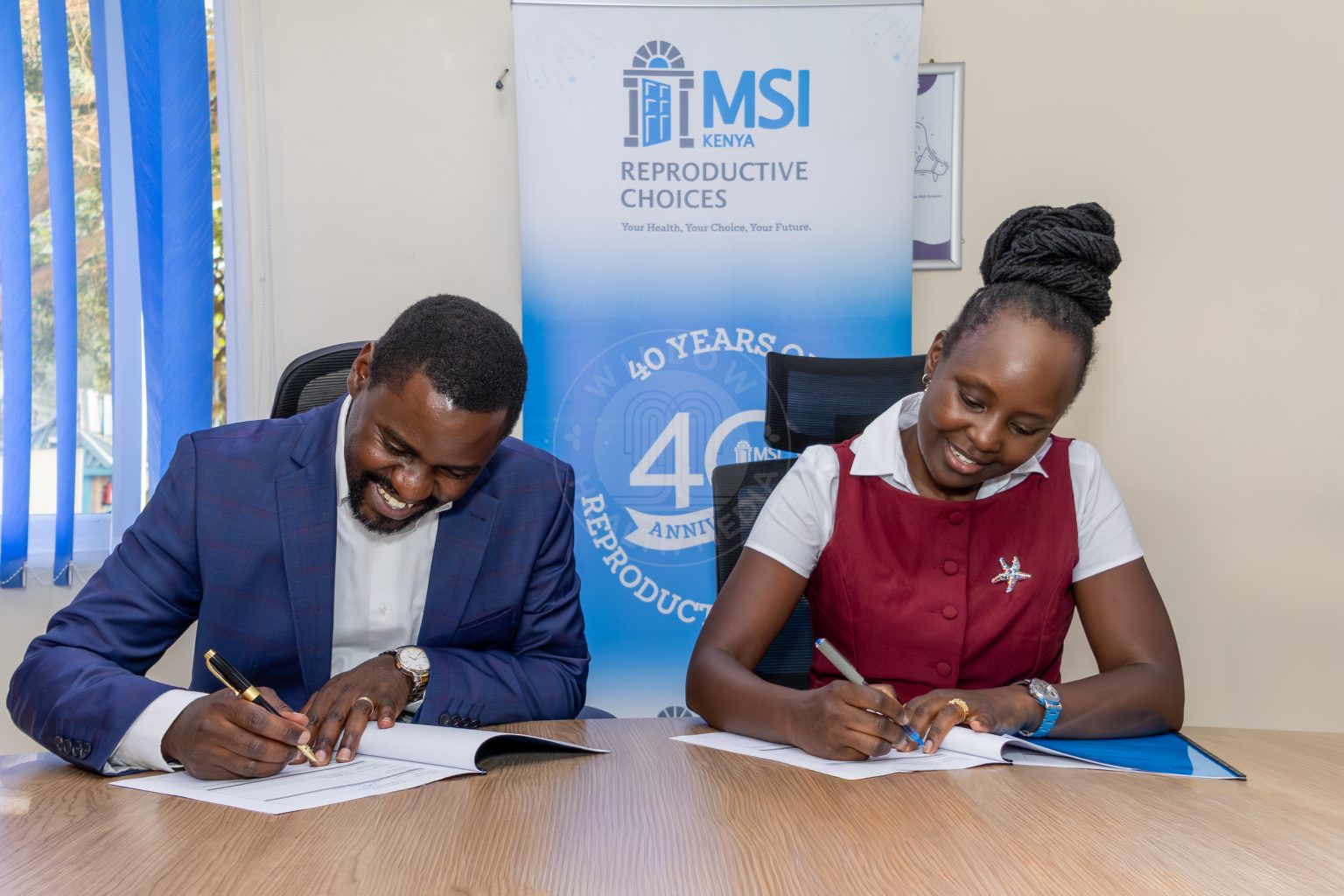

The collaboration will deliver evidence-based storytelling and multimedia content to support informed decision-making on reproductive health and rights.
Willow Health Media Initiative (WHM) and MSI Reproductive Choices Kenya (MSIK) have formalised a strategic partnership aimed at transforming how sexual and reproductive health information reaches Kenyan communities, responding to persistent gaps in access to accurate, evidence-based health information.
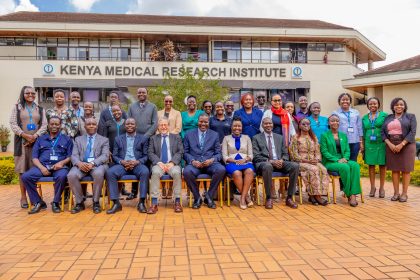
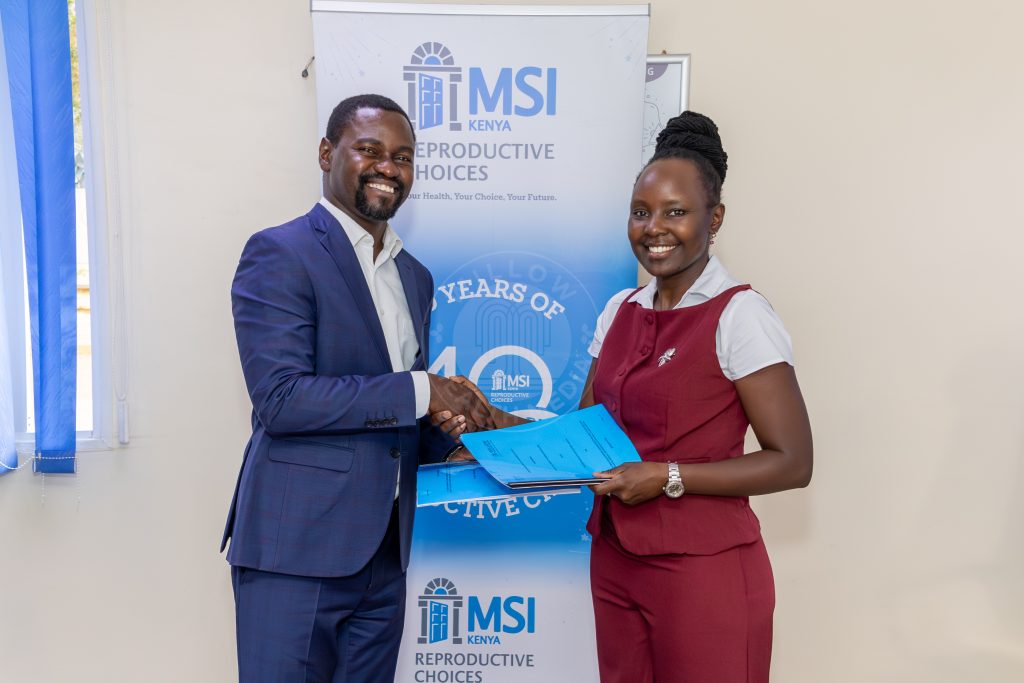
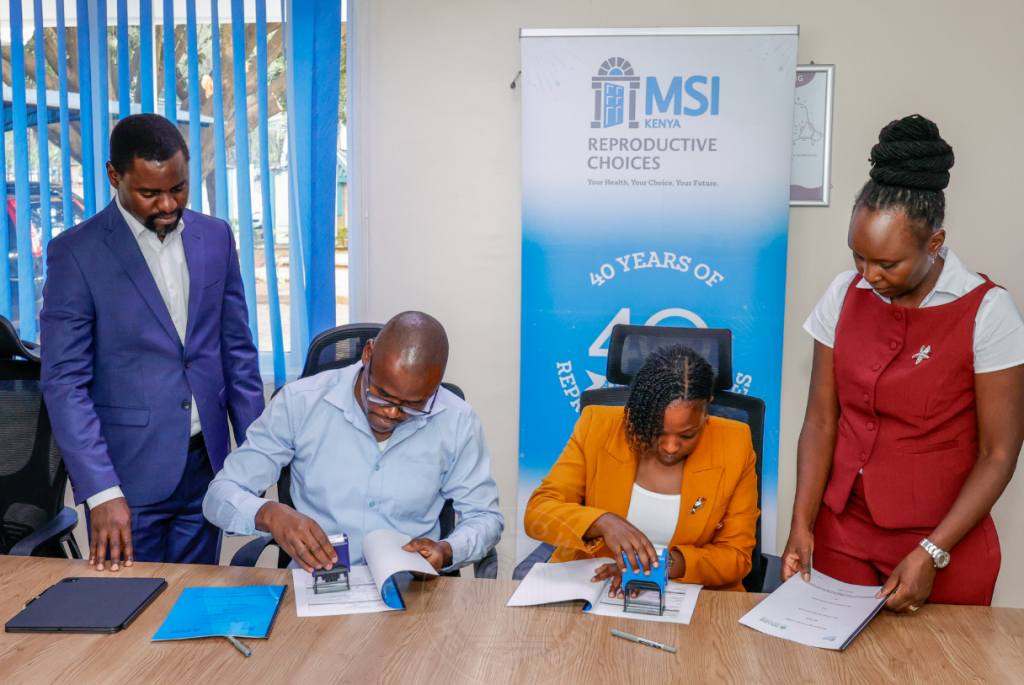
The two organisations signed a Memorandum of Understanding (MoU) on January 26, 2026, establishing a collaborative framework to co-create health communication materials grounded in data, expert insights, and community needs. The partnership will deliver evidence-based storytelling and multimedia content designed to support informed decision-making on reproductive health and rights.
The collaboration comes at a critical moment for Kenya’s health sector. The country continues to record 355 maternal deaths per 100,000 live births, translating to around 6,000 preventable deaths each year, according to the Kenya National Bureau of Statistics (KNBS). Unsafe abortion remains a major yet often invisible contributor to maternal deaths and morbidity.
Research shows that 792,694 women procured an abortion in 2023, accounting for 57.3 induced abortions per 1,000 women aged 15–49. An estimated 465,000 abortions occur annually, most of them unsafe, resulting in at least 2,600 deaths each year and 21,000 hospitalisations from complications related to incomplete abortions.
Teenage pregnancy also remains a significant concern. Although rates have declined from 18 per cent to 15 per cent, an estimated 10,000 girls drop out of school every year due to stigma linked to early pregnancy, according to Frontiers. Regional disparities persist, with the World Health Organization reporting that Samburu County has the highest adolescent pregnancy rate in the country, where 50 per cent of girls aged 15–19 have ever been pregnant.
Limited knowledge on menstruation, contraception and safe abortion undermines health outcomes
Underlying many of these outcomes is a persistent information gap. More than 70 per cent of women seeking post-abortion care were not using contraception before becoming pregnant. According to the African Women’s Development and Communication Network (FEMNET), limited knowledge around menstruation, contraception, safe abortion, sexual and gender-based violence, and reproductive rights continues to undermine women’s and girls’ health outcomes.
At the core of the WHM–MSIK partnership is a shared commitment to evidence-based communication. WHM brings expertise in health media production and audience engagement, while MSIK contributes technical knowledge in reproductive healthcare and rights-based advocacy. Together, they aim to produce content that is compelling, scientifically accurate, and responsive to community realities.
“This partnership recognises that effective health communication must be rooted in both strong storytelling and solid evidence,” the agreement emphasises. Content produced under the partnership will draw on data, research findings, and expert perspectives, ensuring accuracy while remaining accessible to diverse audiences.
The organisations will co-produce digital stories, videos, features, and articles addressing sexual and reproductive health issues relevant to Kenyan communities and the wider East African region. They will jointly source data, commission research where necessary, and engage health experts to ensure alignment with current evidence and best practice.
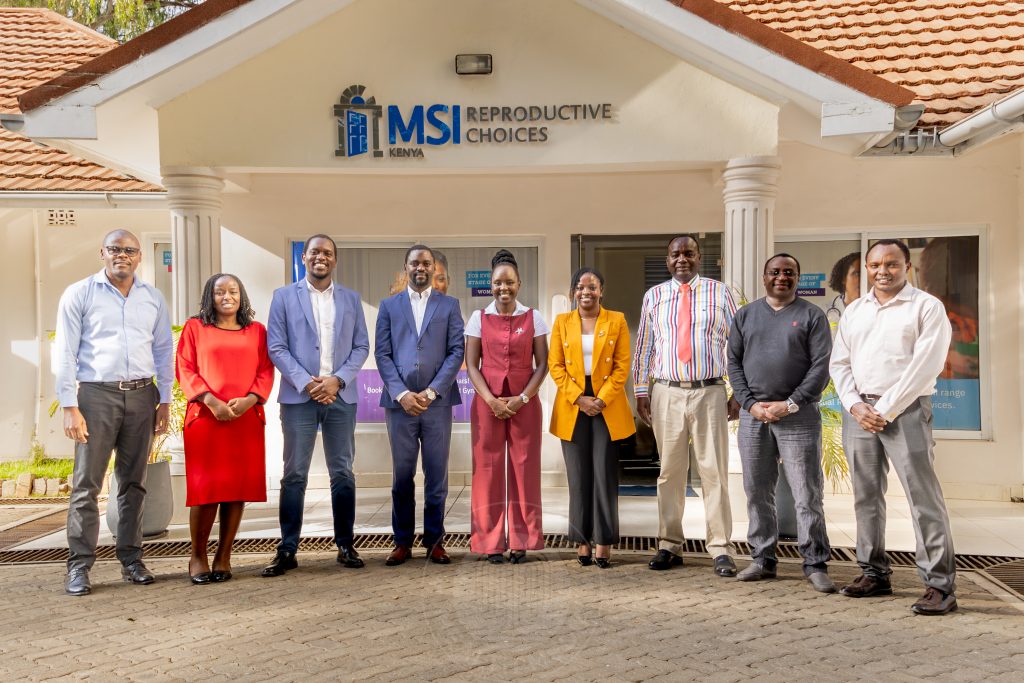
Willow Health will lead on media production, while MSIK will offer technical validation and linkages to health experts
The collaboration prioritises inclusivity, working with partners, experts, and communities to ensure content reflects lived realities and addresses real concerns. By combining networks and platforms, WHM and MSIK aim to expand the reach and impact of their work across both traditional and digital media.
To support coordination, the partnership establishes a Joint Coordination Team with representatives from both organisations, meeting monthly to review progress, plan content strategies, and respond to emerging health communication priorities. WHM will lead on media production, editorial direction, and audience engagement, while MSIK will provide technical validation and linkages to health experts. All outputs will be co-branded, reflecting the collaborative nature of the partnership.
By combining WHM’s storytelling expertise with MSIK’s technical depth and community connections, the partnership seeks to bridge long-standing information gaps that have hindered progress in sexual and reproductive health in Kenya, ensuring that people across age, location, and socioeconomic status can access the information they need to make informed reproductive health decisions.