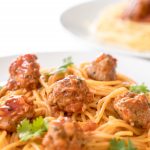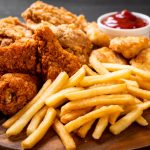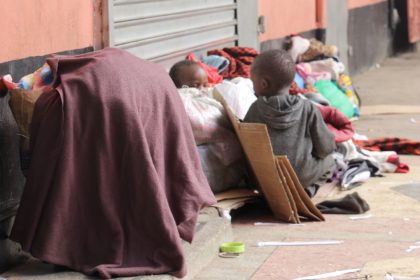




High consumption of fatty foods increases demand for stomach relievers, while excessive alcohol intake is a key trigger for assaults and gender-based violence.
The Kenyan holiday season, eagerly anticipated as a time of reunion and celebration, has tragically become the nation’s deadliest public health crisis. Annually, festive joy (sherehe) collapses into a predictable wave of medical emergencies, fueled by collective recklessness. This is more than a seasonal spike in illnesses; it is a societal breakdown.
For weeks, millions simultaneously neglect medications, overindulge in rich food and drink, and embrace high-risk behaviours. This willful lapse transforms celebration into catastrophe, leaving a legacy of debt, trauma and disease long after the holidays are over.

For Kenyans managing Non-Communicable Diseases (NCDs) like diabetes and hypertension, the holidays represent a profound abandonment of routine, a deliberate routine abandonment that often proves fatal.
The core of the crisis lies in the sheer volume and type of food consumed. The traditional feasting, dominated by high-fat nyama choma (roast meat), chapati, pilau, and sugary beverages, sabotages careful medical management.
Take the story of Akinyi from Kisumu, a diabetic patient who travelled upcountry for Christmas. She felt social pressure to participate fully in the sherehe, reasoning that “one week of relaxation wouldn’t hurt.” She stopped monitoring her blood sugar, neglected her medication, and indulged in everything sweet.
By the second week of January, Akinyi was rushed to the county hospital unconscious, having developed diabetic ketoacidosis (DKA), a life-threatening condition resulting from critically high blood glucose. Her physician later confirmed that this pattern of indulgence and medication non-adherence is the single biggest cause of diabetic emergencies post-holiday.
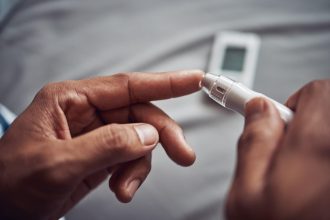
Similarly, the surge in salt (sodium) intake and alcohol consumption sends blood pressure soaring in hypertensive patients, dramatically increasing their risk for strokes and cardiac arrest, often necessitating emergency admissions to already saturated hospital wards.
The persistent warnings issued by public health bodies, advising patients on long-term medication for HIV, TB, and NCDs to stock enough supplies, stand as a chilling testament to the predictable failure in logistical self-care during this period.
The festive season is synonymous with a dramatic escalation of alcohol consumption, which acts as the primary accelerant for trauma, injury, and violence.
The most publicised and visible tragedy is the spike in Road Traffic Accidents (RTAs). Statistics from early 2024 underscore the relentless toll, confirming that thousands of lives are lost on Kenyan roads annually, with the festive season contributing disproportionately. This carnage is driven directly by the combination of intoxicated drivers and high traffic volume.
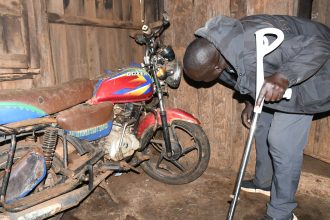
The boda phenomenon exemplifies this danger. Consider John, a young man who relies on his motorcycle taxi for income. He spent the evening celebrating with friends, drinking heavily.
Later that night, he accepted a fare. As a passenger once recounted, “I was on a boda boda and a vehicle came speeding from behind; the rider was not keen enough to notice the speeding vehicle. It was only later that I realised he was high, and the driver of the vehicle was very much intoxicated. If it were not for my sobriety, it would be a different story.” This daily gamble, where intoxicated boda boda riders ferry intoxicated passengers, ensures that pedestrians and motorcyclists tragically remain the most vulnerable demographics in fatality statistics.
The crisis of violence extends into homes, driving a spike in Gender-Based Violence (GBV). The festive relaxation of inhibitions, compounded by the financial stress of the season, often escalates minor disputes into physical altercations. Alcohol consumption acts as a key trigger, frequently leading to assaults that strain trauma centres and perpetuate the cycle of domestic violence that plagues the nation.

The shifts in public health behaviour are most clearly indexed by the sales trends in Kenyan chemists, which reveal a rush toward reactive damage control.
There is a pronounced, widely reported spike in the sale of Emergency Contraceptive Pills (E-Pills). This trend directly reflects a surge in risky sexual behaviours, particularly among teenagers and young adults. The unintended pregnancy crisis is exacerbated during this time as school closures lead to family reunions and increased social mixing. The motivation for buying the E-Pills is often desperation, the intense fear of parental wrath and societal shame following a potential pregnancy, turning the chemist into a final line of defense against a life-altering consequence.
Simultaneously, the high consumption of rich, acidic, and high-fat foods, often combined with heavy drinking, irritates the gastrointestinal tract, causing severe discomfort. This drives high sales of Antacids and a significant increase in demand for Helicobacter Pylori testing and treatment kits.
With up to 80 per cent of some adult Kenyan populations chronically infected with H. pylori, the acidic holiday diet acts as the trigger, causing symptomatic gastric and duodenal ulcers to flare up, which then sends the patient to the chemist seeking immediate relief and a cure.

The mass exodus of Kenyans from urban centres to their rural homes creates two distinct health vectors: exposure to endemic illnesses and the rapid spread of infections.
For those travelling to the Lake Victoria Basin or Coastal endemic regions, the risk of malaria is significantly heightened, especially coinciding with the short-rains transmission season. Urban dwellers, often complacent about the risk, frequently neglect basic protective measures like chemoprophylaxis or treated bed nets.
Furthermore, large family gatherings and reliance on informal food preparation in areas with potentially less reliable sanitation and water infrastructure create fertile ground for cholera, typhoid, and other acute diarrhoeal diseases. Meanwhile, the simple act of crowding onto public transport and gathering closely in communal settings facilitates the rapid transmission of respiratory illnesses like the seasonal flu and diseases spread by contact, such as Mpox.
The Kenyan festive season is thus a profound and predictable stress test for both individual discipline and the national health system. The most enduring lesson is that the safety and well-being of the holiday period depend not on reactive emergency response, but on the collective, conscious adoption of informed, disciplined wellness.
10 Holiday Survival Rules
- Fibre First: Eat high-fibre food (like fruit or oats) before a big feast. It slows down sugar absorption and keeps your blood sugar steadier.
- Medication Buddy: Have a travel companion (it could be your spouse or partner) for your “medication check-in.” They ensure you take your daily pills, keeping conditions like high blood pressure or HIV under control.
- Hydrate to Celebrate: For every alcoholic drink, have two glasses of water. This fights dehydration, slows down intoxication.
- Flush the Salt: Go easy on added salt. Drink an extra 500ml of water to help the kidneys flush out the excess and prevent bloating.
- Plan Protection: See a doctor or pharmacist before the holidays to get your preferred contraception. Be proactive, not reactive.
- Malaria First Strike: In high-risk areas, your first tasks are to set up a treated mosquito net and start your anti-malaria pills.
- 20-Second Clean: Wash or sanitise your hands for a full 20 seconds (hum a song chorus) after crowds and before eating to avoid diseases like cholera or typhoid.
- Feast Recovery: After a major feast, eat bland, simple foods (like uji or boiled veggies) for 48 hours to let your stomach recover and prevent gastritis.
- Speak Up for Safety: If your driver is speeding, speak up or get out. Your voice makes them accountable and can prevent an accident.
- Daily Digital Detox: Schedule 2 hours each day with no phones, news, or money talk. This lowers stress hormones and can help prevent holiday arguments from escalating.
Dr Madeline Iseren is a pharmacist and columnist on topical health and medical issues.