


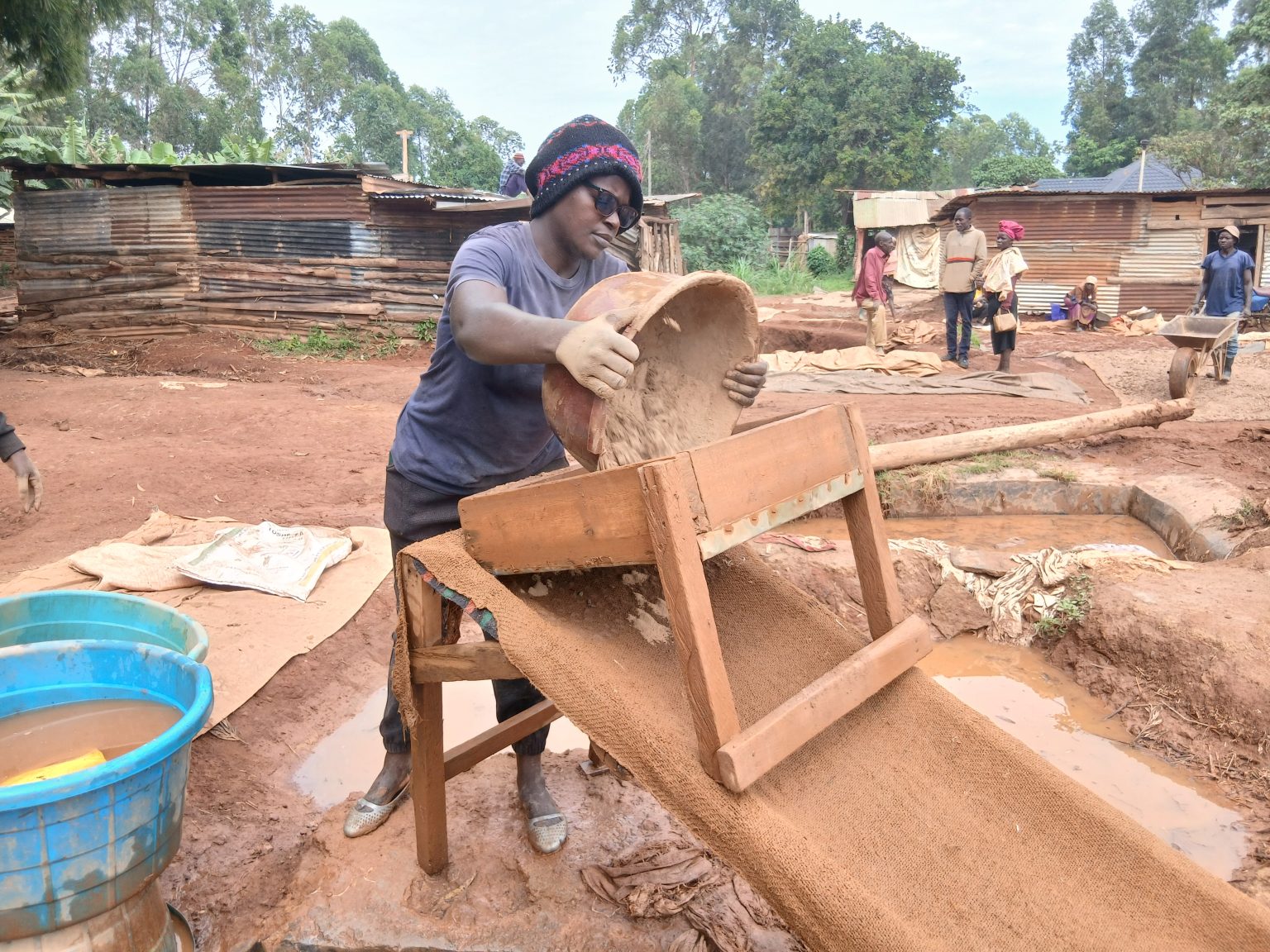

As Ksh683 billion in gold deposits promises to transform Kakamega County, women miners who have paid the price in mercury poisoning are demanding -and driving -a safer future for the industry.
Before dawn in the Bushiangala gold mines, dust fills the air and metal strikes stone. Sharon Ambale, 23, begins a day that will leave her body trembling long after the work is done in Ikolomani constituency, Kakamega County.
Ambale works quickly. Here, speed means payment. She gathers the crushed ore and pours it into a basin. Then, the gold buyer hands her a small container of mercury. This silvery liquid is what lets her earn a living, yet it is also killing her.
Bare-handed, she pours the mercury over the ore. It coats her palms, seeps between her fingers and mixes into the slurry. Then, she begins to scrub. “After that, your hand hurts and trembles the whole day, you can’t do anything else,” says Ambale.
A faint tremor constantly shakes her right hand, worsening when she tries to hold a cup. It began last December, the same month she started losing her vision.
“You can look at a book and see nothing,” said Ambale, adding, “Sometimes the eyes just refuse to see.” Headaches pound behind her eyelids. Her nerves sometimes pull so sharply that she cannot read, even with her glasses.
She returns to the mines daily with no gloves, mask or protection. Her family must eat
As her condition worsened, she went to the Iguhu sub-county hospital, then to the Kakamega County Referral Hospital, and finally to the Vihiga County Referral Hospital. All the scans she received were normal. Only when she mentioned mercury did the nurses exchange knowing glances and “told me it’s the things we use.”
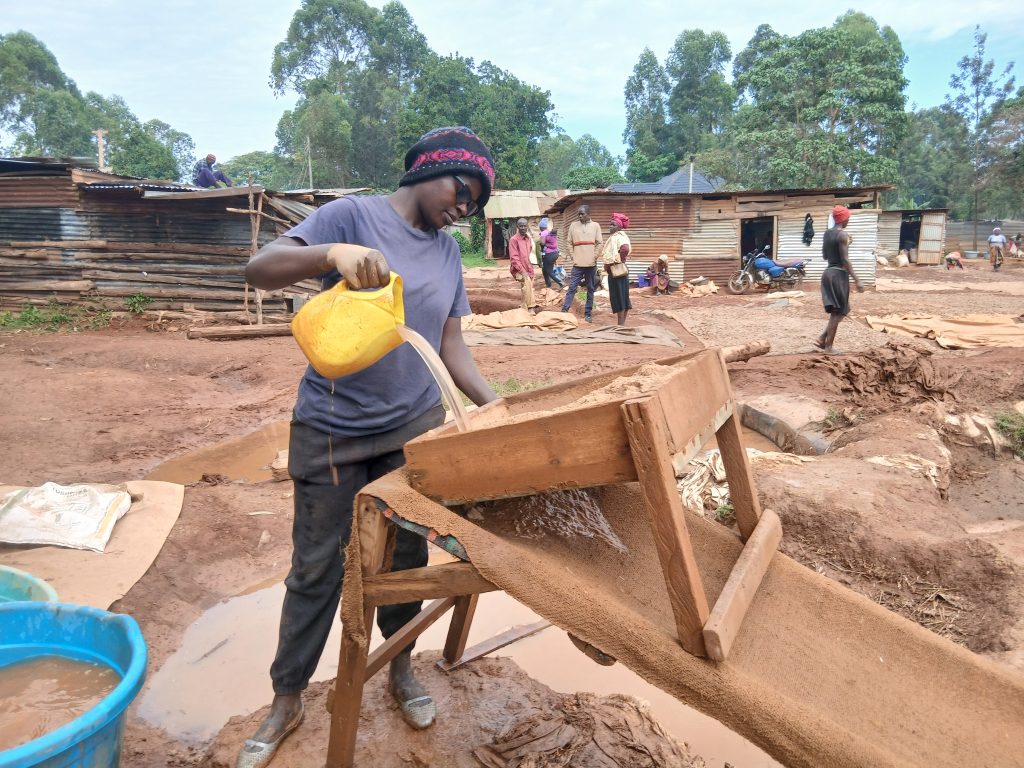
Ambale returns to the mines each day with no gloves, mask, or protection. Her family must eat. When she gets home, she collapses, muscles twitching, too tired to even wash. Painkillers like Diclofenac do little to help, and the miners’ folk remedy-milk-does nothing at all.
She has also watched friends fall ill. One developed severe back pain. Another could not give birth when her labour began. The baby died. “Mercury is killing us slowly,” Ambale says, adding, “We know it’s dangerous, but we have no choice.”
Amid the daily toil and hazards of artisanal mining, a new chapter looms over Kakamega. A British firm, Shanta Gold Kenya Limited, has uncovered gold deposits worth Ksh683 billion in the region, including Bushiangala. Plans are underway to invest Ksh26.86 billion in underground mining, according to the Environmental Impact Assessment submitted to the National Environmental Management Authority (NEMA).
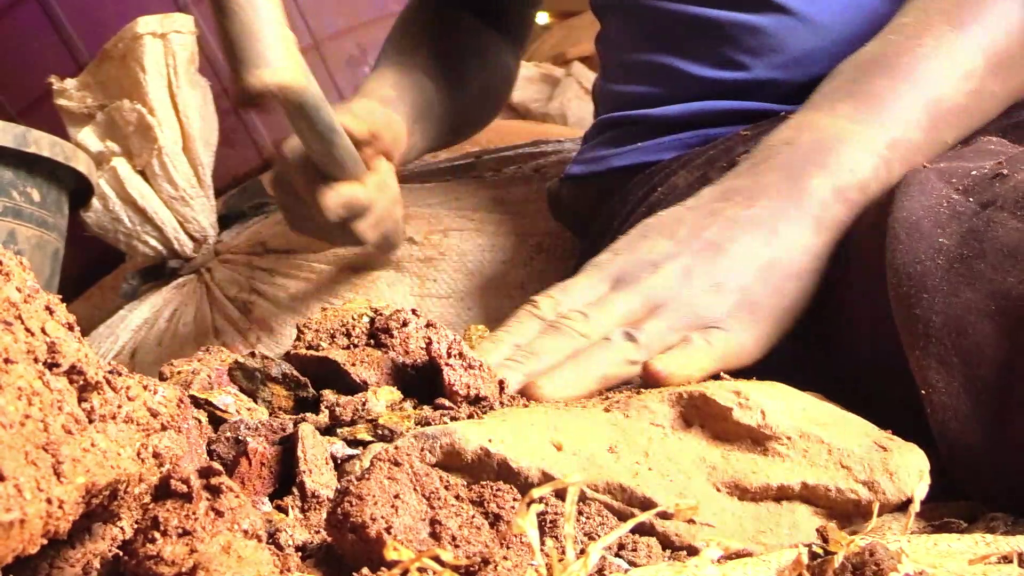
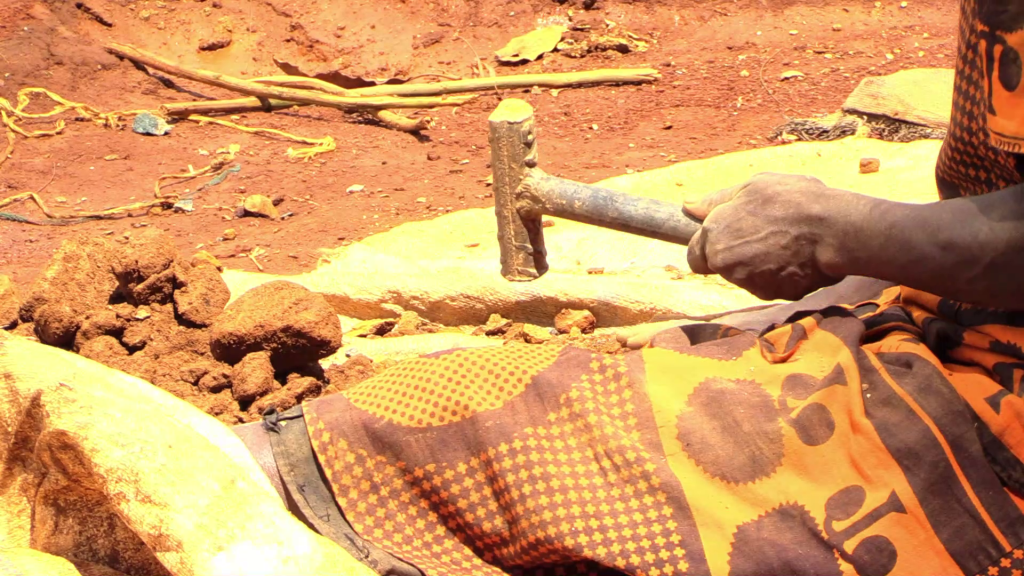
Women suffer miscarriages, stillbirths, infertility, kidney failure, seizures, permanent vision loss
Over a decade ago in 2013, an exploration by Acacia Mining, also a British firm, estimated the corridor holds at least 1.31 million ounces of gold deposits along the Lirhanda corridor, valued at Ksh171 billion, with up to 60 per cent concentrated in Kakamega.

But for the local artisanal miners, the discovery offers little relief. Tens of thousands of miners work in the gold mining fields of Kakamega’s five sub-counties: Ikolomani, Shinyalu, Lurambi, Khwisero, and Butere, often handling mercury with their bare hands.
Women bear the brunt, suffering miscarriages, stillbirths, infertility, kidney failure, seizures, and permanent vision loss. Mercury crosses the placenta, harming fetal development. Children who survive face lifelong neurological impairments.
According to the World Health Organisation (WHO) and UNEP, chronic mercury exposure in men can reduce sperm count and motility, alter sperm shape, and cause DNA damage. These changes increase the risk of miscarriage, stillbirth, or congenital disorders.
Unlike in many extractive industries traditionally dominated by men, women make up more than 62 per cent of gold processors in Kakamega, according to the Kakamega County Mining Association and local civil society organisations. Men dig the ore; women wash, crush, and bind it with mercury to extract the gold. According to the Association of Women in Energy and Extractives in Kenya, women make up about 40 per cent of small-scale miners in the county.
Her husband , who wanted a child, left her, believing ‘I am the one ‘terminating’ pregnancies’
This division of labour places women at the most dangerous point of the value chain: direct contact with mercury. Mary Shikwato, a Class 8 dropout from Shitsula village, says, “Gold mining was the only work. So, I joined in and began scrubbing gold with mercury.”
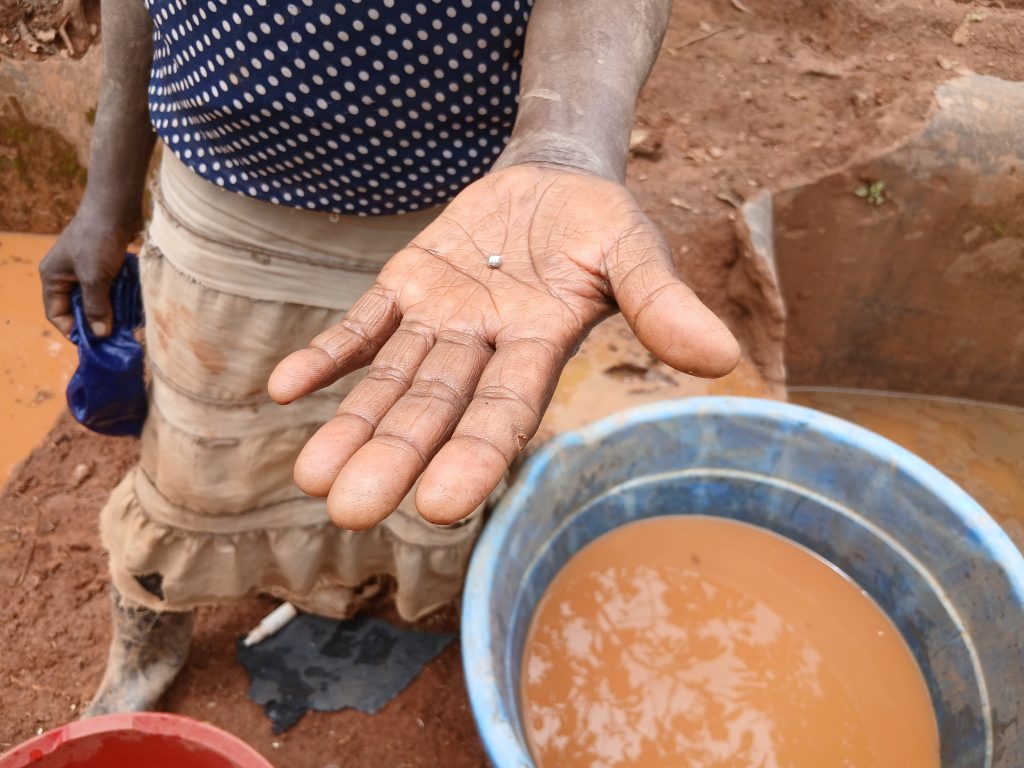
What began as intermittent back pain, chills and unexplained weakness soon became a pattern. What followed were four miscarriages “at two or three months.” Her husband, who wanted a child, left her, believing “I am the one ‘terminating’ them.”
Shikwato eventually quit mercury work, but only after recognising the dangers. “If we had an alternative to mercury, maybe the pregnancies would not come out,” she reasons, recalling how “When the banana vendor comes, you just eat with the dirt.”
Today, she pays others to “help my mother-in-law scrub so that I could get something to eat. I stopped to protect myself.”
Josephine Shimala, the elected representative of women miners, has raised seven children on income from the gold mines, handling mercury with her bare hands. “Sometimes I wake up and my chest feels heavy,” she laments. “Other times my arm goes numb.”
Mercury seeps into soil, streams and wetlands, poisoning crops, fish and water sources
Shimala worries about the silent sufferers. “Many women don’t speak up,” she explains. “They stay quiet until they’re too sick to work.” Shimala pleads for a safer alternative to mercury. “If there’s another way, bring it to us,” she says. “My body is full of holes.”
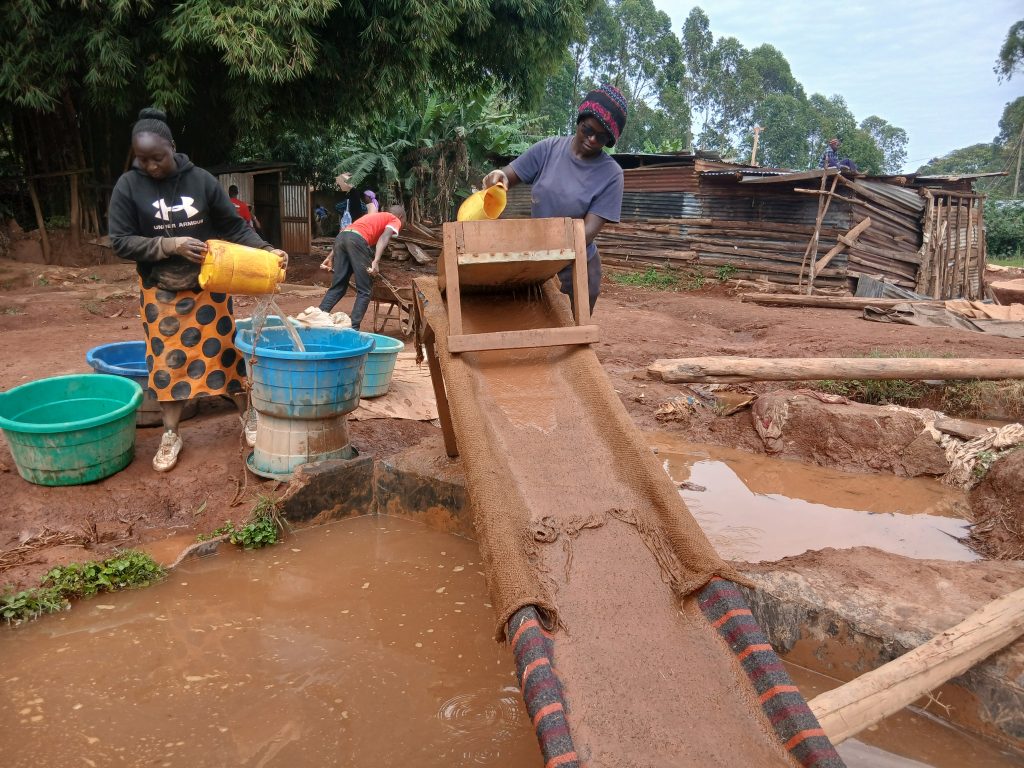
The damage extends beyond the miners themselves. “Mercury destroys the soil, you cannot plant maize or anything,” Shimala explains. “And when it gets into the water, you drink it, and your throat starts cutting like you have the flu.” The pits left behind by mining are never filled, leaving the landscape scarred.
Mercury seeps into soil, streams, and wetlands. Erratic rains, worsened by climate change, wash contaminated sediments downstream, poisoning crops, fish and water sources. Deforestation around mining sites accelerates erosion, river siltation, and heat extremes. What begins in a Bushiangala basin ripples across Kakamega County, turning the gold mines into a slow-moving environmental and public health crisis.
But with gold prices having gone up sharply, the risk becomes tempting. “One gram is now Ksh11,000,” Shimala notes. “It was Ksh9,000, then Ksh10,000, and it keeps rising.”
Dr Joshua Azere, a gynaecologist who has treated women from the mines, says mercury can enter the body through direct skin contact, inhalation of vapour during processing, or ingestion of contaminated water or food, especially fish and “literally affects all the body systems… being a compound with myriad of toxicities.”
Unborn children get malformations, low birth weight, developmental delay, immune system disorders
He adds: “While toxicity can affect men and women equally, the latter are of special concern. Exposed mothers can transfer it in utero to the unborn fetus or through breast milk. Besides renal toxicity, it has severe neurologic sequelae commonly referred to as Minamata disease,” Dr Azere said. “Unborn children can get malformations, low birth weight, developmental delay and immune system disorders.”
Dr Azere explained that the Minamata Convention on Mercury, established in 2013 and updated in 2019, creates safety rules for mercury use, particularly in small-scale gold mining, to reduce and control its spread. “Mercury has been shown to be toxic to both humans and animals, and thus its use has to be strictly regulated and within the existing laws,” he said.

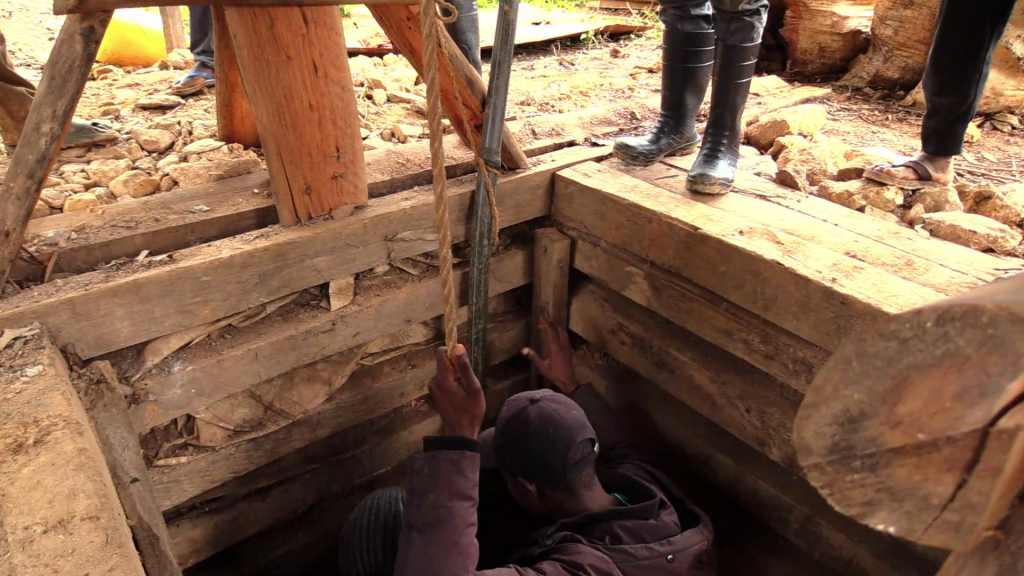
A miner is lowered into a narrow shaft at a gold mining site in Kakamega County. [Photos: Nathan Ochunge, WHM]
Research by NEMA and KEMRI shows mercury contamination in soil, water, and fish in rivers like Yala and Isiukhu, which feed into Lake Victoria. Kenya’s air is poisoned by mercury vapours from gold burning despite signing the 2013 Minamata Convention to ban it, meaning enforcement is weak.
Pauline Muigai, an environmental scientist at Masinde Muliro University, warns that women face the greatest exposure, as they do the hands-on work of washing, panning, and reprocessing mining waste, “increasing risks to their health, particularly reproductive health.”
Muigai is calling for mercury-free technologies, protective gear, and formalisation of the sector as “A gender-responsive, environmentally sustainable, and climate-resilient model would safeguard women’s health while restoring mined lands and strengthening community resilience.”
Mining deaths are common, but climate-killed farms leave young people with no choice
Audrey Bigeti, a programmes officer at Girls to Women Organization, warns that unchecked mining has pushed the ecosystem to a breaking point. “The ongoing unregulated mining, especially without mercury-free methods, is alarming,” she says. “Women and girls are bearing the greatest burden.”

Her organisation has trained more than 100 women on the dangers of mercury and pollution reduction, but the scale of degradation is vast. “If you walk around these areas, you see eroded pits, deforested land and contaminated water,” says Bigeti. “The soil is damaged. It cannot support crops , and most miners have no alternative livelihood because the land has been robbed of nutrients.”
Mercy Kalemela, director of the Girls to Women Organization, concurs that mercury, sodium cyanide and silica dust “have severe health impacts, yet this sector remains informal and unregulated, which prevents the adoption of sustainable and safe mining practices.” Kalemela calls for formalisation of mining processes, introduction of safer alternatives and “mining practices that protect the health and rights of women and girls.”
Mining deaths are common, but climate-killed farms leave young people with no choice. “With climate change worsening, youth see mining as the only place where they can make Ksh1,000–Ksh3,000 a day,” one advocate explains. “Compared to Ksh300 for casual work, the choice feels obvious, even if it kills them slowly.”

Antony Munanga, Kakamega County Coordinator for Environment and Natural Resources, says they’re working with partners to improve miners’ capacity and promote sustainable practices through initiatives like the ‘Planet Gold’ project, which explores mercury-free alternatives.
Munanga stresses that artisanal mining is a vital livelihood source, but it must be done safely. “We are formalising the sector, organising miners into cooperatives, zoning mining areas, and ensuring environmental assessments are done for permits. This will help eliminate mercury use and enforce safety standards.”
Women, he notes, are particularly affected, recovering gold from ore and suffering long-term respiratory and health impacts. “Derelict land will be rehabilitated after mining, and reducing chemical exposure will limit land degradation and help mitigate climate change.”
This feature was first published by Willow Health Media on January 2, 2026.